
The Growing Arab Art Scene in Dearborn
Gallery
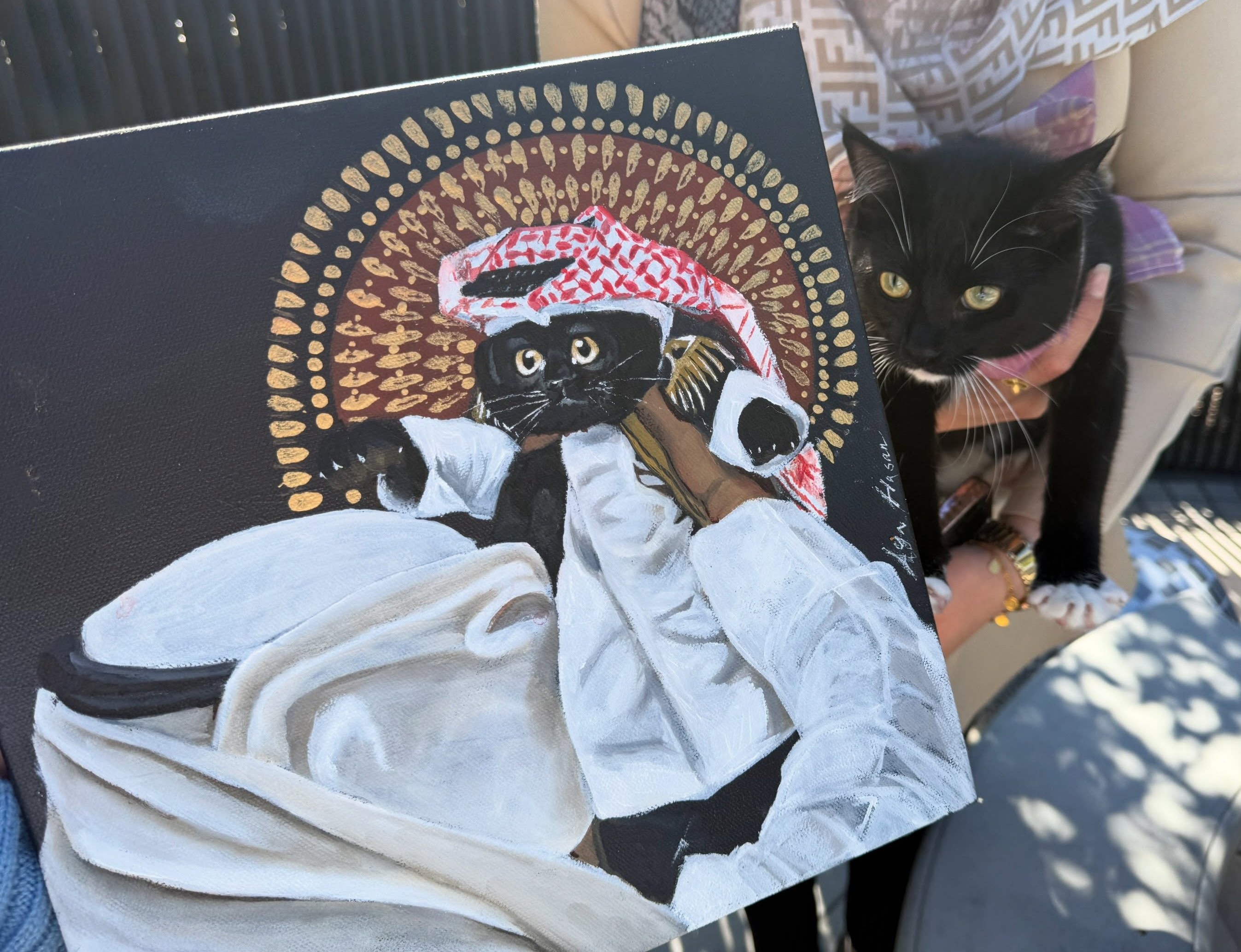
Dearborn has a strong connection to Arab American culture, and young artists are finding different ways to express themselves through painting, photography, music, and other art forms. Their work reflects their experiences, backgrounds, and the stories they want to share. However, having a strong cultural connection does not always mean artists have enough opportunities to develop their work or build a career. As more creatives become involved in Dearborn’s art scene, artists like Aya Hasan and Raphique Barakat are finding ways to express themselves while also looking at what the city can do to make more space for local talent.
Aya Hasan, an Arab American artist and founder of Dearborn Fine Arts Club, started the club after noticing a gap in the local art scene. Hasan said the inspiration came from personal experience as an artist and seeing talented people in Dearborn and Metro Detroit creating work without always having a consistent place to show it. Hasan explained, “I saw so many talented artists in the Dearborn and Metro Detroit area creating incredible work, but there wasn’t always an easy, consistent place for emerging artists to come together, show their work, and build relationships.”
Hasan wanted to create a space where artists could meet, talk about their work, learn from each other, and connect with people interested in collecting local art. As Hasan explained, “I wanted to make sure that I created something that felt less like a traditional gallery and more like a community.” The club was created not only to give artists a place to display their work but also to help them connect with people and discover new opportunities.
Since starting the club, Hasan has seen how these opportunities can encourage artists to take their work further. Hasan has noticed more young Arab American artists becoming more confident about sharing their work, and some have gone on to create their own projects after getting involved with the club. Hasan said, “What has been especially meaningful to me is seeing some artists who came to Dearborn Fine Arts Club simply looking for a place to show their work but then ended up developing their own project exhibitions and collaborations through the club.”
For Hasan, this is an important part of the club’s impact because it shows that artists can use these experiences as a starting point to create their own ideas. Hasan explained, “If Dearborn Fine Arts Club inspires one artist to create their own space, who then inspires another artist to do the same, we’ve created a culture of artists supporting artists.” This growth also shows how local artists can encourage one another to take their work further. However, even with this progress, Hasan believes Dearborn’s art scene is still developing and needs more opportunities for young artists. “I would describe it as growing but still developing, and I think we can get better,” Hasan said.
The city has cultural institutions such as the Arab American National Museum, along with exhibitions, residencies, community events, and programs for artists. However, Hasan believes the growth of these opportunities has not kept up with the city’s economic growth. “The cost of living and the cost of creating art continue to rise while many emerging artists are still trying to figure out how to turn their creativity into something sustainable,” Hasan explained.
Having a place to display artwork is only one part of building an artistic career. She pointed out that “having consistent access of funding, collectors, opportunities, studio space, and professional development” is another challenge. For young artists who are trying to make a living from their work, these resources can make a major difference.
Beyond challenges artists face in finding opportunities, art also plays a personal role in how they connect with their culture. For Raqhique Barakat, an oud player, music has become a way to explore his Arab culture. He also sees a lot of creative potential in Dearborn and describes the local art scene as “incredible.”
Barakat explained that there are “individuals in the city whose foundation of self are their creativity, artists and non-artists alike.” He appreciates the resources available in Dearborn, including an oud repairman, something that is “extremely rare, even overseas.” For Barakat, these resources show how the city’s connection to Arab culture creates an environment for creative expression. He believes supporting young creatives can benefit the wider community, saying, “The more the young Arab Americans in Dearborn are supported to create and share, the more prosperous the city becomes.”
For Barakat, learning the oud became more than learning an instrument; it was a way to understand a part of his identity he had not fully explored before. Although Arab culture was present at home, building a deeper connection with his heritage was not always easy. Barakat has not yet visited Syria, his home country, but music gave him another way to explore connection.
“I chose to learn the oud to reach the parts of me that were not shown attention, not because I didn’t want to give those parts attention but because I didn’t know how,” Barakat explained. Through learning the instrument, he began to see his background differently. “Learning the oud allowed me to look at my Arab background and my culture with a pride and understanding I didn’t have before,” Barakat said. His experience shows how art can help people explore parts of their identity they may not know how to express and develop a stronger sense of connection to their heritage.
Beyond the challenges artists face, both Aya Hasan and Raqhique Barakat believe Dearborn can do more to support its creative community. Barakat suggested using college campus rooms as art spaces, organizing events that highlight local artists, and holding fundraisers for different causes. He also encouraged artists to take the initiative by asking to have their work included in events already happening in the city.
One idea Barakat would like to see is an annual art fair like those in Ferndale and Hazel Park. He believes an event like this could help young artists gain confidence, meet other creatives, and introduce their work to new audiences. It could also give residents more chances to discover local talent and become involved in Dearborn’s art community.
Hasan has a similar vision for the future. She hopes Dearborn will become not only a center for Arab American culture but also a major destination for art and artists. She wants to see more galleries, exhibitions, public art installations, artist studios, collectors, and businesses investing in local talent. She also hopes young Arab American artists will see successful creatives from their own community and realize they can build careers without leaving Dearborn. “I can build a real artistic career here, and I can become known for my work without having to leave the community,” Hasan said, describing the future she hopes young artists can achieve.
Barakat also wants to see more murals and public art installations throughout the city, along with greater support for different forms of cultural expression, including music, tatreez, and painting. He believes there should always be room for more young artists to share their work. As he explained, “There is always room for more spaces and opportunities for young Arab American artists.”
Together, Hasan and Barakat show that art can do more than give people a way to express themselves. It can help them explore their cultural identity, build connections with others, and contribute to their community. With greater support for local creatives, Dearborn could become a place where young Arab American artists can share their stories, develop their work, and build their futures without leaving the community that inspires them.