

Highland Park Tenants Pay the Price for Unlivable Conditions
Gallery
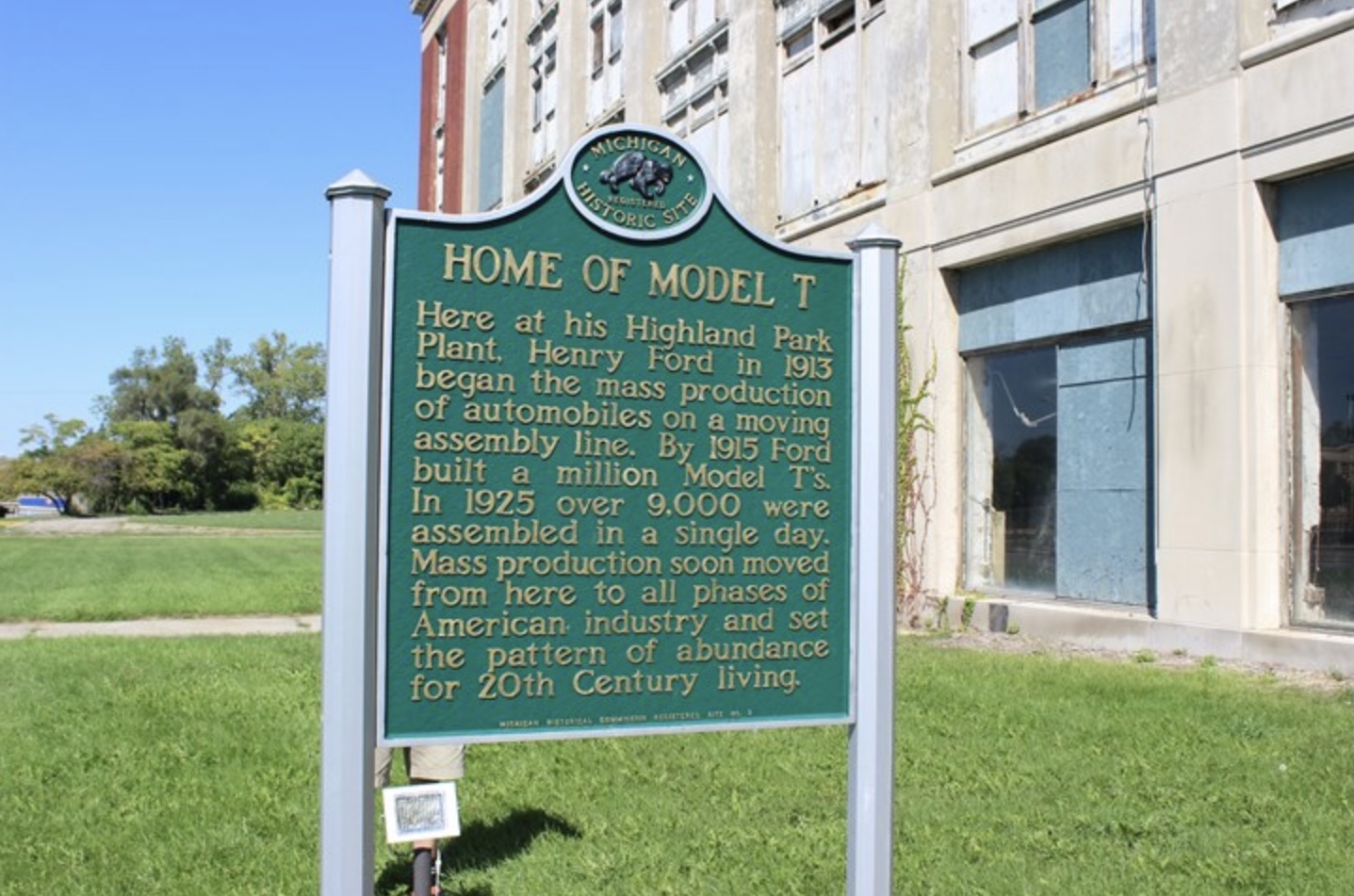

Photo of apartment building at 10 Ferris St. Highland Park, MI, courtesy of Associated Press
A lease promises more than a place to sleep and a lock on the door; it implies a baseline of dignity that too often goes unmet. Across American cities, tenants navigate an imbalance of power, in which the right to habitable housing exists more clearly in statute than in practice. The gap between what is owed and what is provided can overdetermine renters’ quality of life. In 2020, I lived at 10 Ferris Street in Highland Park, Michigan. During that time, I had no heat and only intermittent water and electricity. My neighbors dealt with the same conditions, and some additionally complained of pests ranging from cockroaches to rats.
The building on 10 Ferris Street was built in the 1920s, when Highland Park was one of the wealthiest tax bases in the country. Ford Motor Company’s Highland Park Plant, the birthplace of the automated assembly line and where the Model T was built, still stands a few thousand feet from 10 Ferris Street. Between 1910 and 1920, the population of Highland Park increased by an order of magnitude as workers were drawn to Ford’s promised $5-a-day wage. In the 1930s, the peak population was 52,000, and today it is 8,600. The tax base has eroded, and according to Data USA, the majority of the population lives well below the poverty line.
An effect of these conditions is that once luxurious buildings, such as 10 Ferris Street, now function as little more than shelter. One anonymous tenant stated, “It’s been hell. The heaters are trash. My DTE bill is $1,200. My bathroom was recently flooded with other people’s feces coming through my toilet and tub. The pipes freeze every winter, and they don’t care about nothing but their money. I only get about 15 minutes of hot water before it runs out.” When asked what the temperature in the apartment was over the winter, the tenant responded: “Around 20 degrees and that’s with the heat on.”
I spoke with an elderly tenant who had recently moved in a few months prior. He stated that his “Light bill was $540. I was there for three weeks.” He moved to 10 Ferris Street after his previous residence was condemned. After complaining, he was provided a space heater, but the unit was still not warm. “You put it on 75, and it stays freezing.” He added that “Wind is flowing through the windows. The furnace was off for a month in the living room.”
The tenants who agreed to be interviewed only did so on the condition of anonymity. Each reported issues with water, heat and pests. Some tenants complained of continuous noise and electrical issues. While a few said that management responded politely and promptly, others made it clear that they feared retaliation for taking their concerns to management or complaining formally to the city of Highland Park. Most explicitly said they were apprehensive about speaking to the press.
Several tenants stated or implied that because this was a low-income area and these units were affordable, these conditions were to be expected.
One woman I spoke to agreed to discuss her experience with me only if we walked across the street and faced away from the security cameras. After outlining the dire conditions of her apartment, she stated that before 10 Ferris Street, she had been homeless, and the sense of security from having a lock on her door was what she felt she was paying for, despite paying several hundred dollars per month for utilities she was not receiving.
In 2016, WXYZ journalist Kimberly Craig reported on 10 Ferris Street after the owners had electively shut off the heat to save money. During this period, water and heat were included in the rent. At present, tenants pay for both.
Instances like this violate the implied warranty of habitability for residential leases, which requires landlords to maintain safe conditions. In Michigan, there is a regulation for room temperature that requires a range of 68 to 72 degrees to be sustained during non-sleeping hours. Despite this, many tenants fear speaking out will result in eviction. When deposits are withheld, securing new housing can be heavily strained, increasing the risk of homelessness.
Discovering who owns 10 Ferris Street proved difficult as property listings and city records conflict. There is no website for the leasing company, GMS Properties, and the company has not responded for comment.
I contacted eight local and national organizations related to housing or governance. Most did not respond, and those who did were not able to offer a solution for the tenants. The Highland Park building department suggested that tenants lodge a complaint, but had no records of the complaints I made in 2020, when I was told that the city was aware that 10 Ferris Street had a history of inadequate conditions.