
HFC Interim President Lori Gonko
Gallery
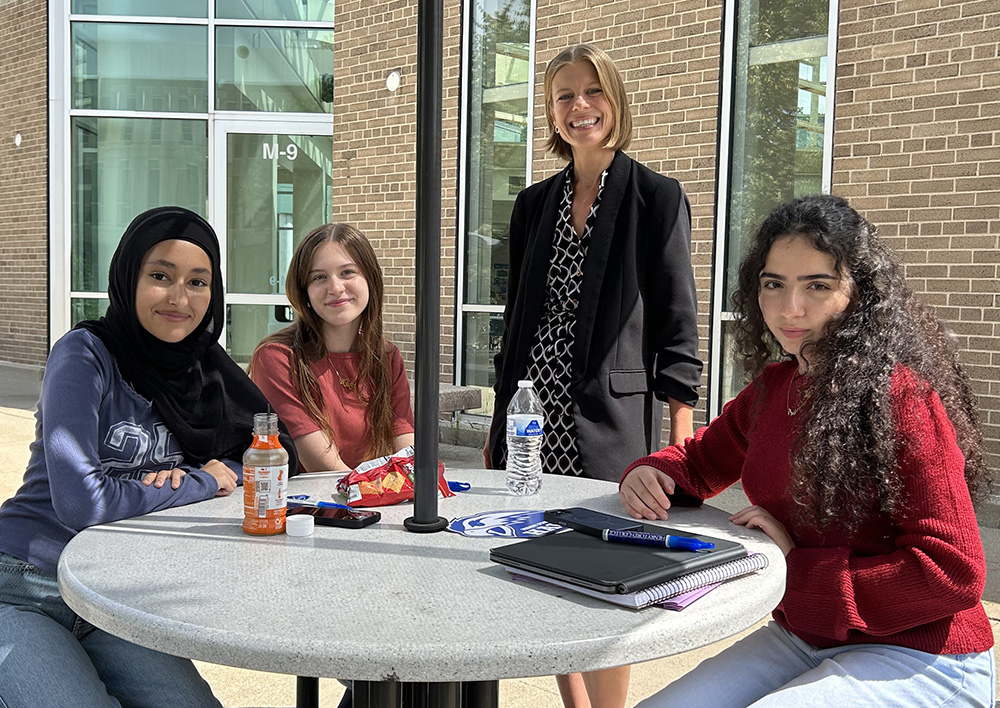
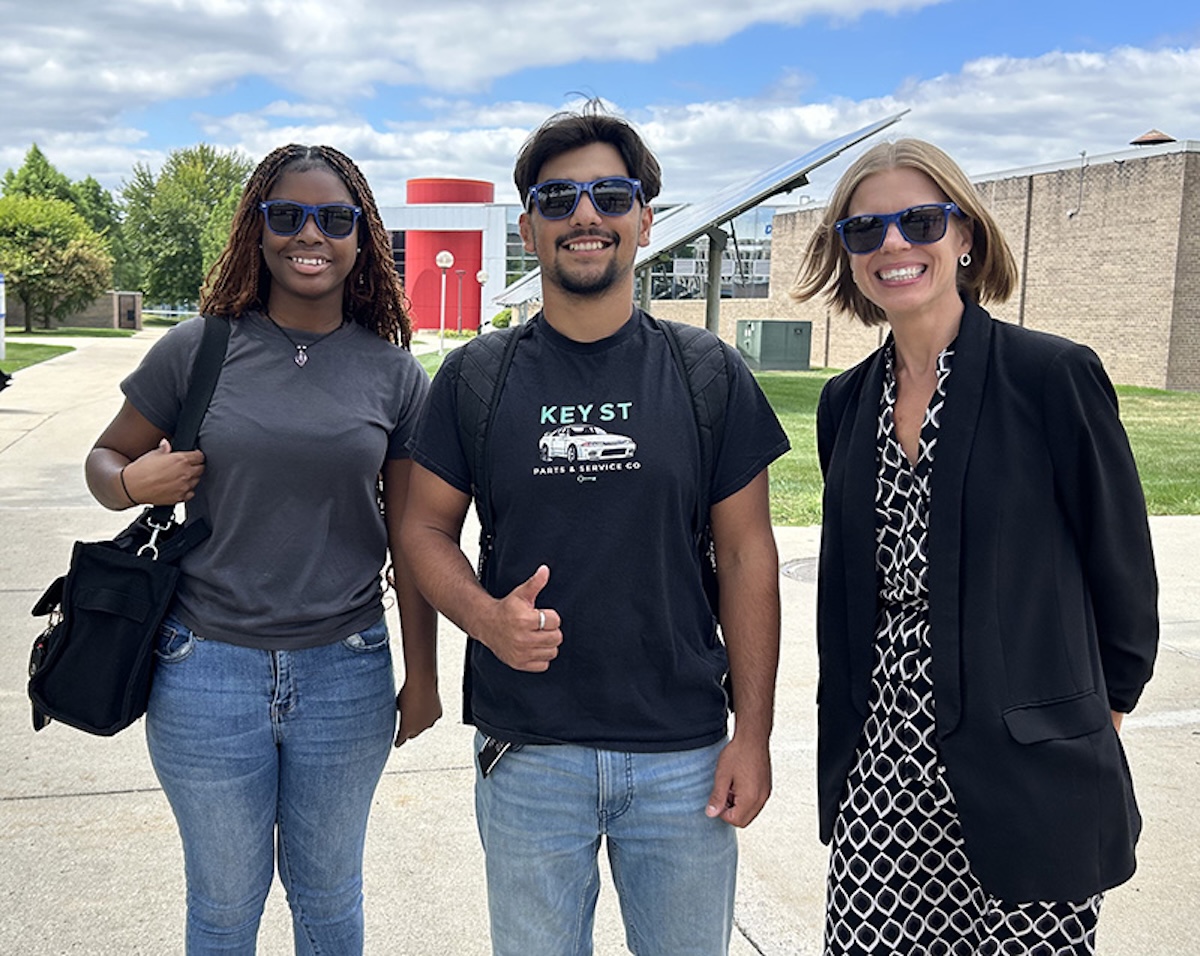
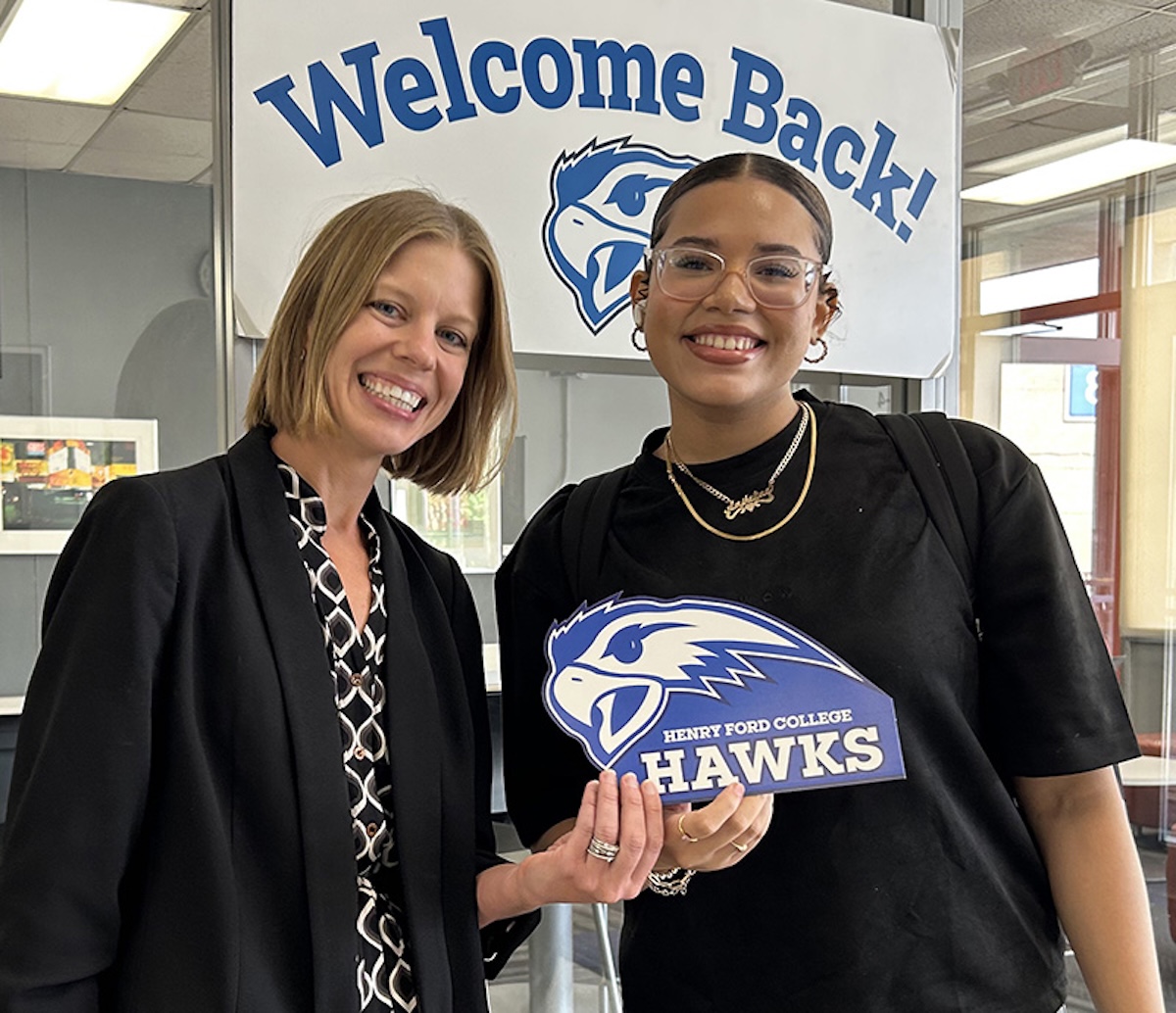
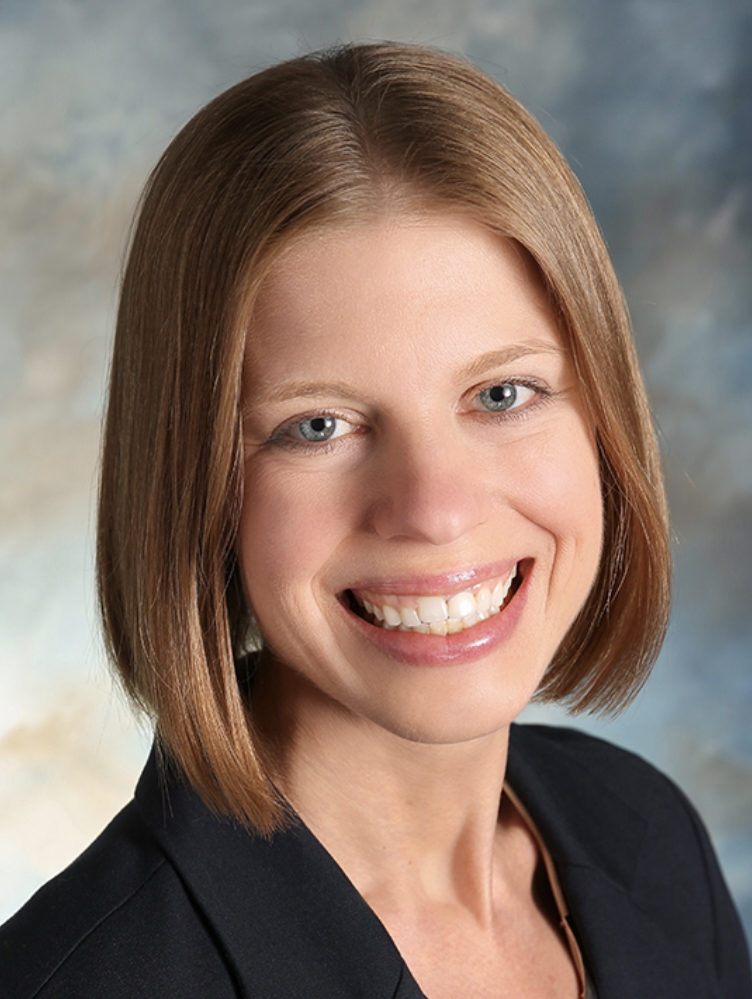
Leadership is easy to claim and harder to demonstrate. At Henry Ford College, interim president Dr. Lori M. Gonko has made a point of doing the latter. Since stepping into the role in July 2025, she showed up to student council meetings to listen, launched a college-wide satisfaction survey asking students to be honest about what is not working, and committed to reporting back when something changes because of what they said. In a community where nearly 17,000 students are balancing school alongside jobs, families, and financial pressures that most four-year universities rarely must reckon with, that kind of accountability is not a small gesture. It is a statement about what this college believes it owes the people who walk through its doors.
Gonko did not arrive at this role through a conventional path. She began her career as a part-time clerical worker at Macomb Community College when she was a student herself, a summer job that turned into more than a decade of progressively expanding roles. She came to HFC in 2012 in a grant management position, and over the years that followed, a series of mentors kept handing her new responsibilities, each one stretching her further than the last. When President Russell Kavalhuna departed in early 2025 to lead Western Michigan University, the Henry Ford College Board of Trustees voted unanimously to appoint her interim president.
She describes the moment with characteristic honesty. For Gonko, “It is a privilege to be able to step in and to serve the institution in a different capacity. Although I think simultaneously, it’s a little bit overwhelming, too, to think about stepping into the president’s role. The former president was such a fantastic leader that to follow in his shoes was a little bit overwhelming. But mostly, I was very excited to have the opportunity and just honored that the board would put that kind of trust in me.”
That tension between excitement and self-doubt is something she has navigated repeatedly throughout her career, and it shapes how she relates to the students around her. She knows what it feels like to be handed an opportunity and wonder whether you are ready for it. What got her through, she says, was never being left to figure it out on her own. Every mentor who believed in her before she fully believed in herself left a mark on how she now leads the college.
On the question of what kind of interim president to be, Gonko drew a clear distinction early on. Some interim leaders, she explained, focus purely on maintaining stability, keeping operations running while a permanent replacement is found. She chose a different approach, one that maintains continuity while also pushing forward on the college’s biggest initiatives, including a major campus renovation project and a range of student success efforts already underway. Her reasoning was straightforward: students cannot afford to wait.
Gonko says, “You are here to get your education and to hopefully make your dreams come true, whatever those look like, and you don’t have time to wait for us as the administration to figure out what it is we’re doing.”
Understanding what students actually need has required Gonko to look well beyond the classroom. For the majority of HFC students, the obstacles between them and their degree are not academic. They are financial, logistical, and personal. Students are raising children, supporting parents, working full-time jobs, and managing the accumulated weight of lives that do not pause for midterms. Gonko does not describe this population in the abstract.
She talks about it as a lived reality that the college has a responsibility to respond to directly. “I actually think often the biggest problems or barriers that our students face are not even things that have to do with academics. I think we have many very qualified, competent, and smart students here who want to do well academically. Still, it’s those things outside of the classroom, out in their personal lives, that have the biggest impact on their ability to be successful,” says Gonko.
In response, the college has built a layered support system that reaches students across multiple pressure points. The Hawk’s Nest food pantry is open to any student who needs it. Emergency aid is available for students facing sudden expenses, from unpaid bills to childcare costs that would otherwise keep them from attending class. Tutoring is offered both on campus and virtually, because the goal, as Gonko puts it, is to meet students where they are rather than where the college finds it easiest to be.
The academic advising department has doubled in size over the past three years and is shifting toward a caseload model, pairing students with advisors who specialize in their intended field. The Early Alert system allows faculty to flag students who are missing class or slipping behind, so advisors can reach out proactively. Predictive data guides much of this outreach. One finding that drives the work: students who earn below a C in their English courses are significantly less likely to complete their degree. Rather than observing that pattern after the fact, the college now uses it as an early signal to connect those students with resources before the situation becomes a reason to leave.
Mental health has emerged as one of the most urgent and growing needs among students, and Gonko spoke about it with particular concern. The college already offers on-campus counseling services, but she announced that within the coming weeks, HFC will launch a free virtual mental health app available to all students at any hour of the day through their personal devices. The goal is to provide support that does not disappear after office hours. She says, “We need to be able to have 24/7 support for our students. Students need help at times that aren’t 9 to 5 when we’re here on campus.”
Regarding diversity, Gonko is direct about the fact that it was one of the reasons she wanted to work at HFC in the first place, and one of the things she is most committed to protecting. She expands the definition beyond race and ethnicity to include religion, age, learning style, and life experience, pointing to a campus where dual-enrolled high school students study alongside adults returning to education in their sixties. That range, she argues, is not incidental to HFC’s identity. It is central to its value.”Given the current national climate, I think it’s more important than ever that we are able to facilitate and ensure a culture of belonging and inclusion for all of our students, regardless of their background,” Gonko stated.
Closing that gap between administration and student body has been one of Gonko’s most deliberate priorities since taking the role. She attended a student council meeting in the fall purely to introduce herself and listen. She came away with concrete feedback about food options and dining hours, and responded by working with the student council to survey the broader student body. Her office also launched its own satisfaction survey, inviting students to be candid about where the college needs to do better. She is clear that gathering feedback is only the first step. The second, and more important one, is following through and telling students when their input led to an actual change.
Gonko observes, “What we have to do is actually follow up and tell students when we have done something because of their input. Rather than just making a change, I need to come back to the students and say, because of you, this is what happened. Making sure that people know that their voices matter.” As for the person behind the title, Gonko is quick to move past formality. She runs on campus when the weather allows. She uses the fitness center during lunch. She stays after events to talk with students informally, and she considers those conversations just as valuable as any official survey or meeting. She describes running as her best thinking time, the part of her day when solutions tend to surface. It is also, perhaps, the clearest illustration of how she operates: always moving, always working through the next problem, and still accessible enough that a student on a nearby treadmill might not even realize who she is until she introduces herself.
When asked what she would want a student who has never met her to know, she did not reach for credentials or institutional milestones. She said she wants students to know that every decision made at this college is supposed to start with them. Where the budget goes, which programs are offered, and which policies get written: all of it, in her view, exists to serve the people sitting in HFC’s classrooms. At an institution where many students are the first in their families to pursue a college degree, that philosophy carries a weight that goes far beyond administration. It is a recognition that for many of these students, HFC is not just a college. It is the first place that told them they belonged somewhere.
On March 18, the Macomb Community College Board of Trustees selected Gonko as their next president with an anticipated start date of July 1. Henry Ford College’s Board of Trustees is currently in the process of selecting the next president of HFC.