

Strands of Survival: Hair as History and Rebellion
Gallery

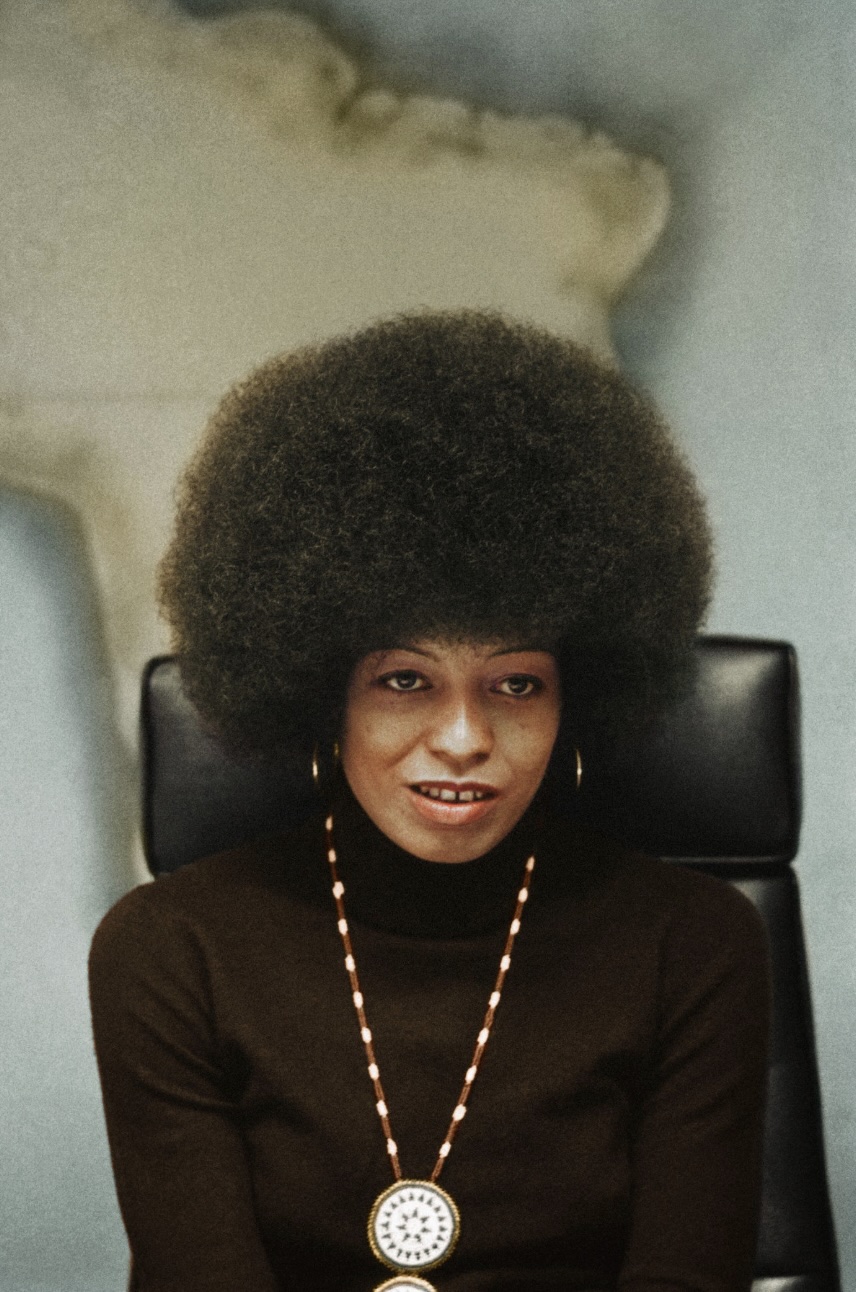
For many, hair is simply an aesthetic choice, but within the Afrikan diaspora, it represents a complex intersection of ancestral memory, systemic resistance, and identity. Far from being just “hair,” it serves as a visual language that has survived centuries of colonial erasure and institutional policing.
In many pre-colonial West Afrikan societies such as the Fulani, Wolof, Mende, Nubian, Mandigo, and several others, hairstyles were indicators of an individual’s social status, age, religion, wealth, and tribal affiliation. For example, among the Ashanti tribe of modern-day Ghana, hairstyles would function as a sophisticated visual language that communicated data about an individual’s identity, such as geographic origin and social/economic status. While in Yoruba culture, intricate braiding patterns are believed to send messages to the Orisha which are divine spirits. The head is still often regarded as the most sacred part of the body. It is seen as a spiritual energy conductor and a direct conduit to the gods. Because of this perceived spiritual power, hair styling was a trusted social ritual, often performed only by relatives or close friends to protect the individual’s spirit from potential harm.
During the transatlantic slave trade, enslavers would frequently shave the heads of captured people as a dehumanizing first step in systemically erasing identity and culture. Enslaved people, who were stripped of their traditional oils and specialized combs, would use lard or kerosene as conditioners and sheep-fleece carding tools as combs.
During these brutal conditions, hair became a necessary tool of survival and liberation. Oral traditions and research suggest that enslaved women in South America and the U.S. utilized intricate braiding patterns commonly known as “canerows” in the Caribbean and “cornrows” in the U.S. to braid maps of escape routes into their hair, marking roads, rivers, and meeting points that remained undetectable to others. Furthermore, West African women famously braided rice seeds and grains into their hair before being kidnapped, ensuring they would be able to grow familiar crops wherever they ended up.
In the 20th century, hair became more of a powerful political symbol. The 1960s and 70s saw the rise of the Afro, which became a visual statement of the Black Power movement. Reclaiming natural textures was a radical act of self-empowerment that rejected Eurocentric beauty standards and the history of forced assimilation. For activists like Angela Davis, the Afro was an expression of pride, power, and resistance against systemic racism. Similarly, locs, while often carrying deep spiritual weight in Rastafarianism, an Abrahamic, Afrocentric movement that comes from Jamaica, symbolize a pushback against colonial systems and a reconnection with Afrikan heritage.
The importance of Black hair is anchored in the communal spaces where it’s taken care of Black barbershops and beauty salons are described as “sacred institutions” and “cultural hubs” that preserve the pulse of the community. Historically, these spaces have been vital for political mobilization; during the Civil Rights movement, barbershops served as meeting grounds where strategies for resistance were born, and information flowed freely. Today, they remain sanctuaries where individuals can engage in their communities.
Despite its rich history and cultural significance, institutional bias against Black hair persists. Studies indicate that Black women with natural hairstyles are often perceived as less professional or less competent in corporate environments. In schools, discriminatory dress codes have led to the suspension of students, such as Darryl George in Texas, whose locs were deemed a violation of district policy despite their cultural significance.
In response, the CROWN Act (Creating a Respectful and Open World for Natural Hair) was introduced to prohibit race-based hair discrimination. As of 2024, twenty-seven states have enacted this legislation, though a federal version remains at a standstill in the Senate.
For many, the journey includes the “Big Chop,” which is the act of cutting off chemically-treated hair to embrace natural texture. This is often experienced as a spiritual rite of passage, representing a conscious decision to release emotional baggage and past trauma. It is a radical act of self-love that honors the “crown” made specifically for each individual, reaffirming that Black hair is, and always has been, a symbol of cultural memory and unshakeable pride.