

Eight Is Not Enough: Drawbacks of Short Series TV
Gallery


Binge-watching is now noticeably shorter. If we go back to the 2000s, the shows typically ran 22 to 24 episodes per season and lasted 30-40 minutes on screen. Now, it will be the rare exception to find a show that runs longer than eight episodes.
Longer seasons gave characters more time to develop; you had a chance to get to know them because they had more detailed backstories. Now, many characters may be introduced, but they have extremely limited screen time, which can make it hard to connect to characters in only eight episodes.
In “Euphoria,” we meet the character BB, but we know nothing about her, and that is the point. She is a background character in a show that does not have enough episodes to develop her or even continue her storyline. Fans of the character have criticized the show for introducing the character, only to limit her screen time.
Shorter seasons do not necessarily reduce the production cost. The eight-episode season five of “Stranger Things” cost between $50 - $60 million per episode. When CGI is heavily used, it can cost tens of millions of dollars per episode because it requires highly complex special effects.
Shorter seasons also require the availability of big-name actors, who are more likely to commit to 6 to 10 episodes rather than a 22-episode run. These short seasons also increase the frequency of new releases. Streaming services like Paramount+ and Netflix thrive on frequent new releases, since they earn revenue from new subscriptions rather than ad time.
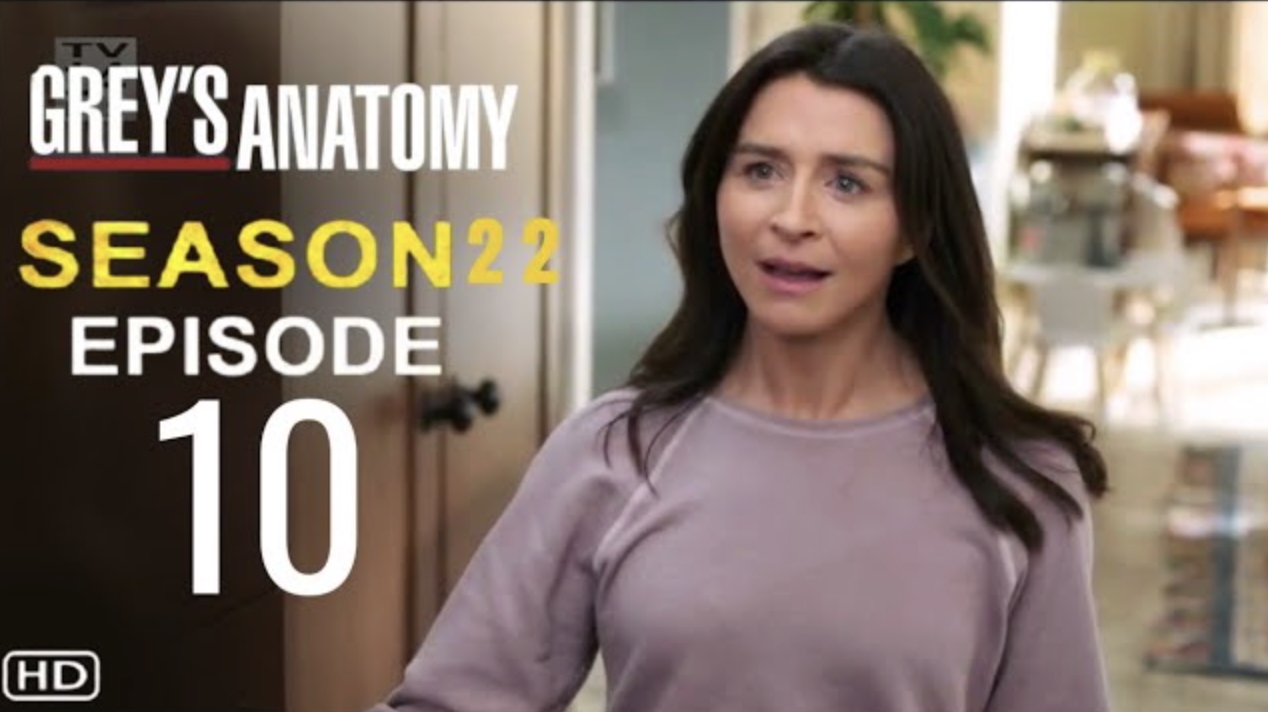
A partial explanation for shorter seasons is the switch from network television to cable and streaming. The show “Grey’s Anatomy” had 18 to 20 episodes and fit the weekly schedule of network TV. With streaming, the seasons went down to 10 episodes.
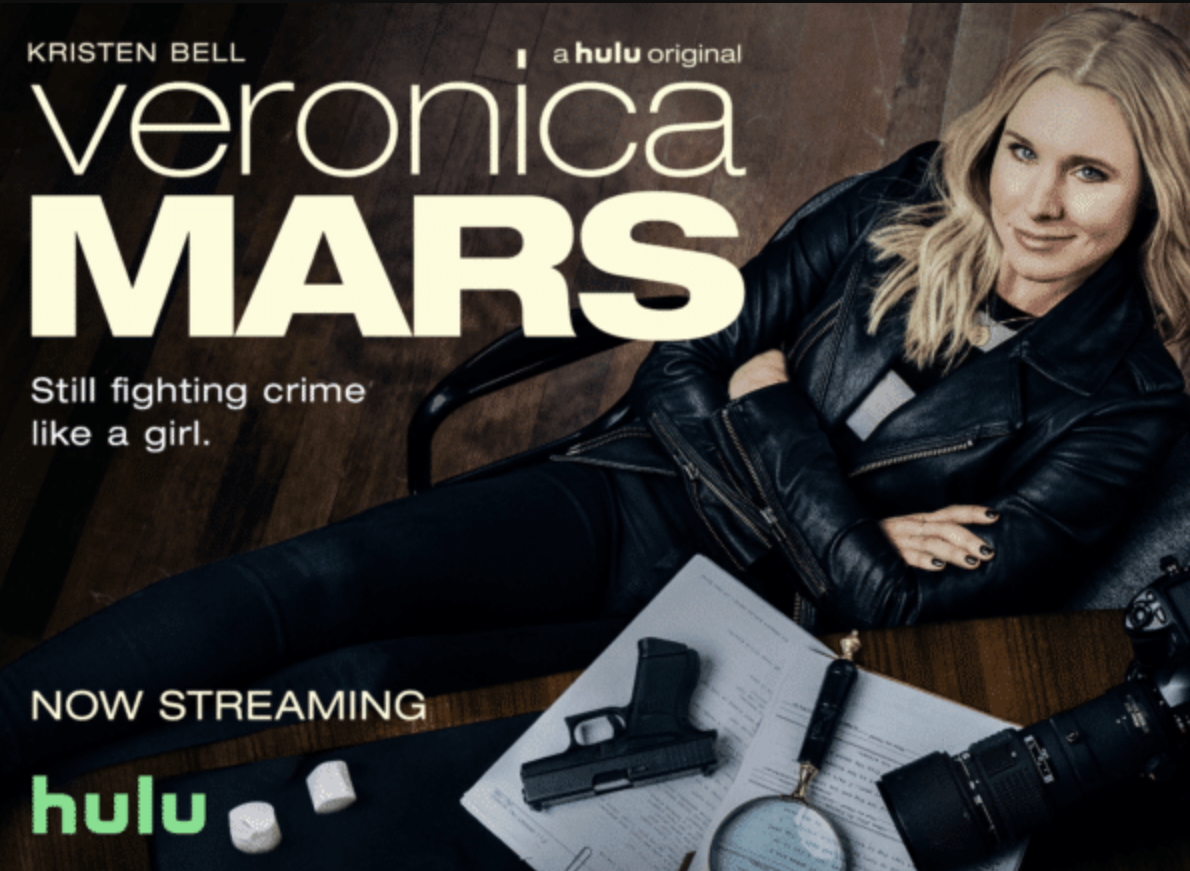
I just finished watching “Veronica Mars” since Netflix made it available to stream. The show aired from 2004 to 2006 and had three seasons. During this time, the episodes were 20 to 23 episodes long. Part of what made this series great was the plot twists and development of clues for each season’s mysteries.
In 2019, Hulu decided to make eight episodes to add a fourth season. Fans wanted more after the 2014 “Veronica Mars” movie. The show’s creator, Rob Thomas, and the star, Kristen Bell, wanted to bring the character back to continue those mysteries to keep fans satisfied. Suffice it to say, the show was not renewed for a fifth season.
Lately, it feels like shows are ending just as they are developing a following. Shows like “Warrior Nun,” “Wheel of Time,” “Halo,” “Shadow and Bone,” and “Mindhunters” abruptly ended despite critical and popular acclaim.
Most of the shows I’ve been enjoying do not seem to get renewed after four or five seasons. Viewers are starting to be unhappy with the abrupt endings and shorter seasons. Series TV shows have been a way for people to express themselves and connect with others as they discuss the latest episode or what they hope to see in the next season. Without it, people no longer have that stress relief and escapism. That is why, at least for me, eight is not enough.