

Sunlight, Serotonin, And Your Winter Semester Brain
Gallery
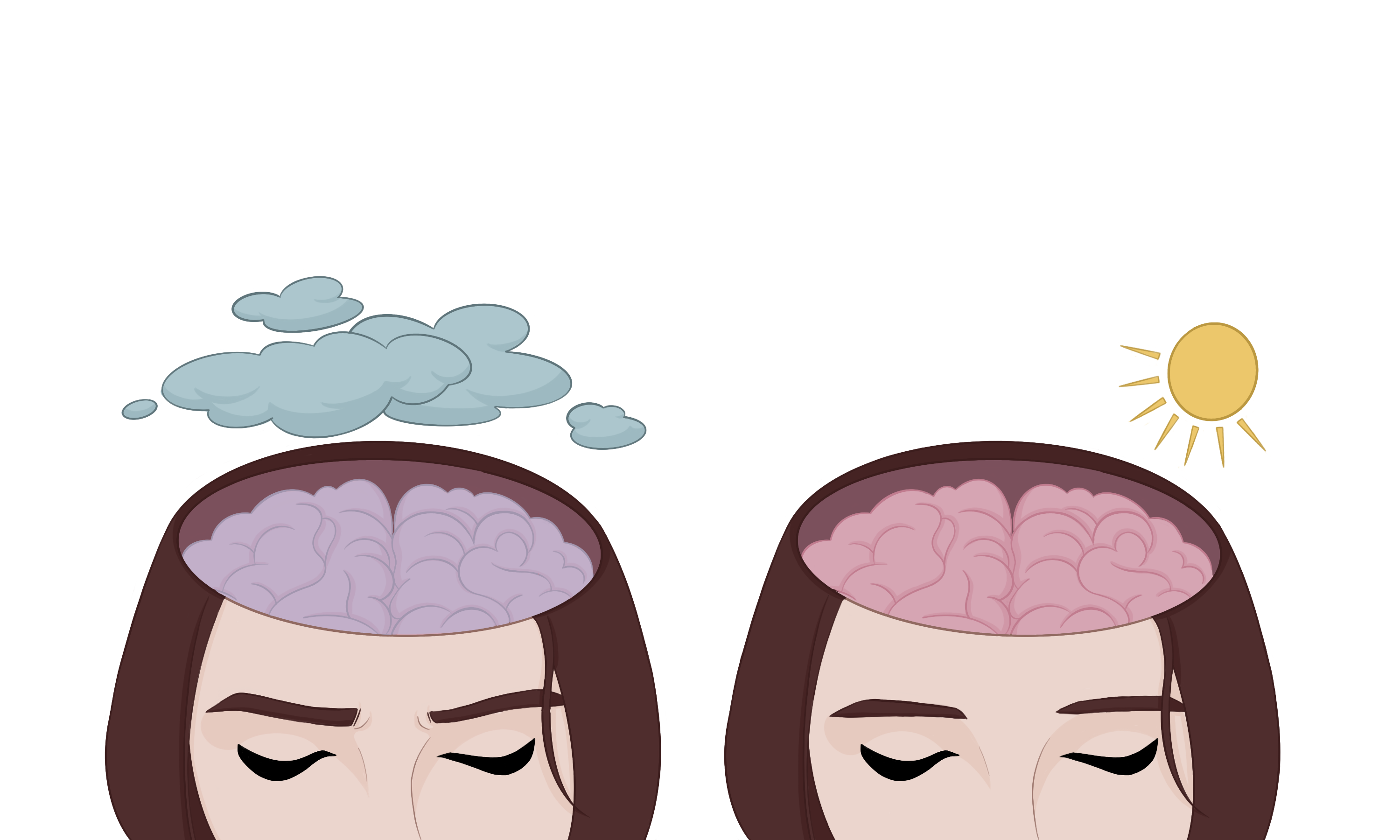
It’s 7:45 a.m. on a Tuesday in January. Your alarm screams. You slap snooze. Then again. And again. By the time you drag yourself to that 8 a.m. lecture, you’ve already consumed an entire bag of chips, your motivation is somewhere in the parking lot, and you’re convinced you’ll never understand organic chemistry. Welcome to the winter quarter, or as your brain sees it, the season of never-ending exhaustion. Here’s the thing: you’re not lazy, and your brain isn’t broken. You’re just experiencing what millions of students face when the sun basically disappears for months; the real neuroscience behind why you suddenly care more about your bed than your GPA.
Sunlight isn’t just a nice backdrop for Instagram posts. It’s a chemical factory trigger. When light hits your eyes, it sends a signal directly to your brain that basically says, “Hey, it’s time to feel alive.” This signal kicks your brain into producing serotonin, the neurotransmitter everyone calls the “happy chemical,” though honestly, it does way more than that.
Serotonin regulates mood, sure, but it also controls when you feel hungry, when you want to sleep, and whether you can focus on a 20-page reading assignment without your eyes glazing over. More serotonin equals more motivation, better mood, and sharper thinking. Less serotonin equals that zombie feeling on your 9 a.m. walk across campus.
And this is exactly where winter gets you.
When the days get shorter, your brain produces less serotonin. Simultaneously, your body increases its production of melatonin, the sleep hormone, because prolonged darkness signals that it’s time to rest. The result is a challenging biological state where you’re constantly tired, unmotivated, and craving sugary foods late at night to compensate for the mood deficit.
The situation becomes more complex during colder months. Research indicates that fall and winter trigger an increase in serotonin transporters–proteins that remove serotonin from circulation and return it to neurons for storage. This means that even when your brain produces serotonin, these transporters clear it away more rapidly than usual. Essentially, your brain is simultaneously producing less serotonin while also removing it faster, creating a compounding effect that significantly impacts mood and motivation.
This phenomenon is called Seasonal Affective Disorder (SAD), and it’s not rare. Studies suggest it affects up to 10 percent of people in northern regions, with college students, particularly those 18-30, being hit especially hard. Women are up to four times more likely to experience it than men. Students face heightened vulnerability in the winter semester, especially in regions with harsh winters.
While biochemistry plays a role, the lived experience of being a student during winter adds an extra challenge that affects daily academic and emotional life. Simple tasks become overwhelming obstacles. Getting out of bed requires enormous effort. Deadlines that once seemed manageable now feel impossible to meet. The exercise routine you maintained during the fall semester has vanished entirely. Social activities that used to energize you now feel draining. And don’t even get started on trying to focus during those 8 a.m. lectures while the sun doesn’t rise until 7:30 a.m.
Low serotonin is insidious because it creates a feedback loop. You’re tired, so you don’t go outside. You don’t go outside, so you get less sunlight. Less sunlight means less serotonin. Rinse, repeat. Before you know it, you’re spiraling with concentration struggles, battling brain fog, your grades slipping, and your social life contracting. For students already managing depression or anxiety, the winter months can intensify existing symptoms. Students with ADHD may find that reduced serotonin levels make executive function tasks more challenging than usual.
The psychological impact matters too. Winter doesn’t just make you physically tired. It messes with your psychology. You might feel hopeless about that paper you haven’t started. You might convince yyourself you’re just “lazy” or “not smart enough” when in reality, your neurochemistry is working against you. Understanding that this is a biological thing, not a personal failing, is genuinely powerful. You’re not broken; your brain is just responding to environmental conditions. That shift in perspective alone can help.
The good news is that you have weapons. Science is clear on what works.
Get morning light, seriously. The best time to light-hack your brain is right after you wake up. A 20-minute walk outside, even on a cloudy day, tells your brain “we’re awake now, make some serotonin.” Sit by a window while you eat breakfast. Study at a table facing a window during your morning sessions. This early exposure also helps regulate your circadian rhythm, which means you’ll sleep better at night instead of staying up at 2 a.m., wondering why you can’t fall asleep.
Consider light therapy if you’re stuck indoors. If you live somewhere the sun rises at 7:45 a.m., and you’re in class by 8 a.m., or if your campus library is a windowless dungeon, a light therapy box is a genuine game-changer. These things emit 10,000 lux of light, basically mimicking bright sunlight, and 20-30 minutes of exposure has been shown to work nearly as well as antidepressants for seasonal mood symptoms. They’re not expensive, usually $30-100, and plenty of students keep one at their desks.
Move your body. Exercise is Serotonin’s best friend. Twenty minutes of physical activity three times a week can measurably boost mood and motivation. Bonus points if you exercise outside, where you’re getting both the mood boost from movement and the serotonin boost from sunlight. Winter jogs, outdoor study walks, hiking; all are legitimate academic study strategies if they keep your brain functional.
Keep your sleep schedule locked down, even on weekends. I know, sleeping till noon on Saturday is sacred. But irregular sleep patterns tank your circadian rhythm even harder, amplifying the winter effect.
Your brain uses consistent light exposure to sync your internal clock. If you’re all over the place with sleep times, you’re making it harder for sunlight to help you.
Protect your vitamin D. Less sunlight means less vitamin D production. While vitamin D supplements aren’t magic, they do support serotonin function.
Connect with people. Isolation amplifies the winter blues. Make study plans, preferably outside or by windows, with friends. Join a club. Hit up a campus event. Social connection is a potent mood regulator and provides external motivation when your internal motivation is running on fumes.
Winter is genuinely harder for your brain. Your body’s biology is working against productivity and good moods, and no amount of willpower or caffeine fully fixes that. The students who thrive are those who understand what’s happening and adjust accordingly.
You’re not lazy. You’re not broken. You’re not weak. Your brain is literally operating on reduced Serotonin, and that’s a biological fact, not a personality flaw. Recognizing this as a physiological challenge rather than a personal failure is the first step toward addressing it effectively.
Begin each day with a 20-minute outdoor walk to trigger serotonin production. Make a habit of studying and eating near windows, and whenever schedules allow, work outside between classes. These small adjustments to maximize light exposure and movement can significantly improve both your mood and academic performance.
This isn’t self-care. This is you fighting back against your own neurochemistry with the only weapons that actually work. The winter semester lasts four months. Your brain needs you to be smarter than your mood. Give your serotonin a fighting chance, and you might pass that class you’re worried about, finally text your friends back, and stop waking up already tired for the day ahead.