

Finding Community At Fiber Club Detroit
Gallery
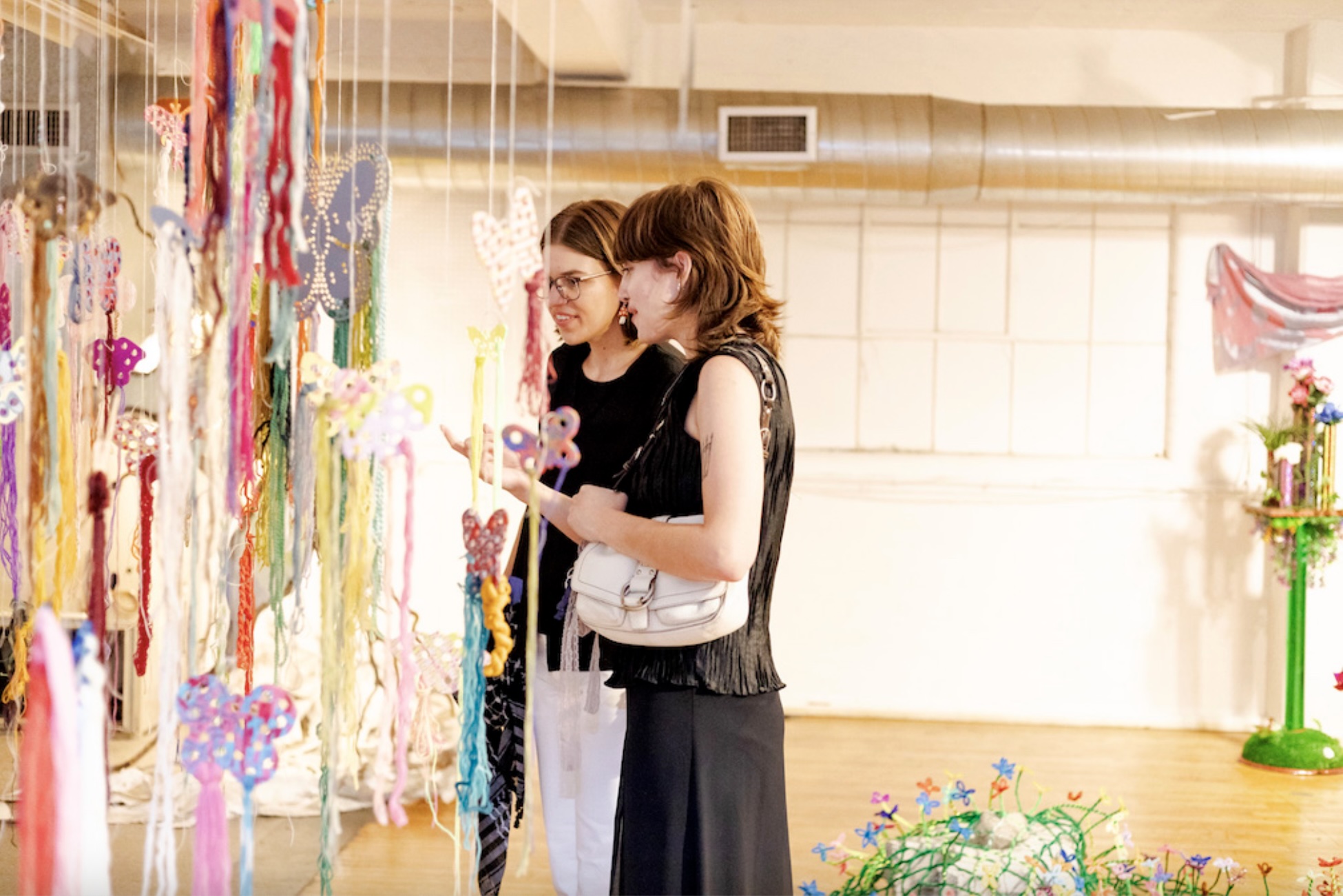
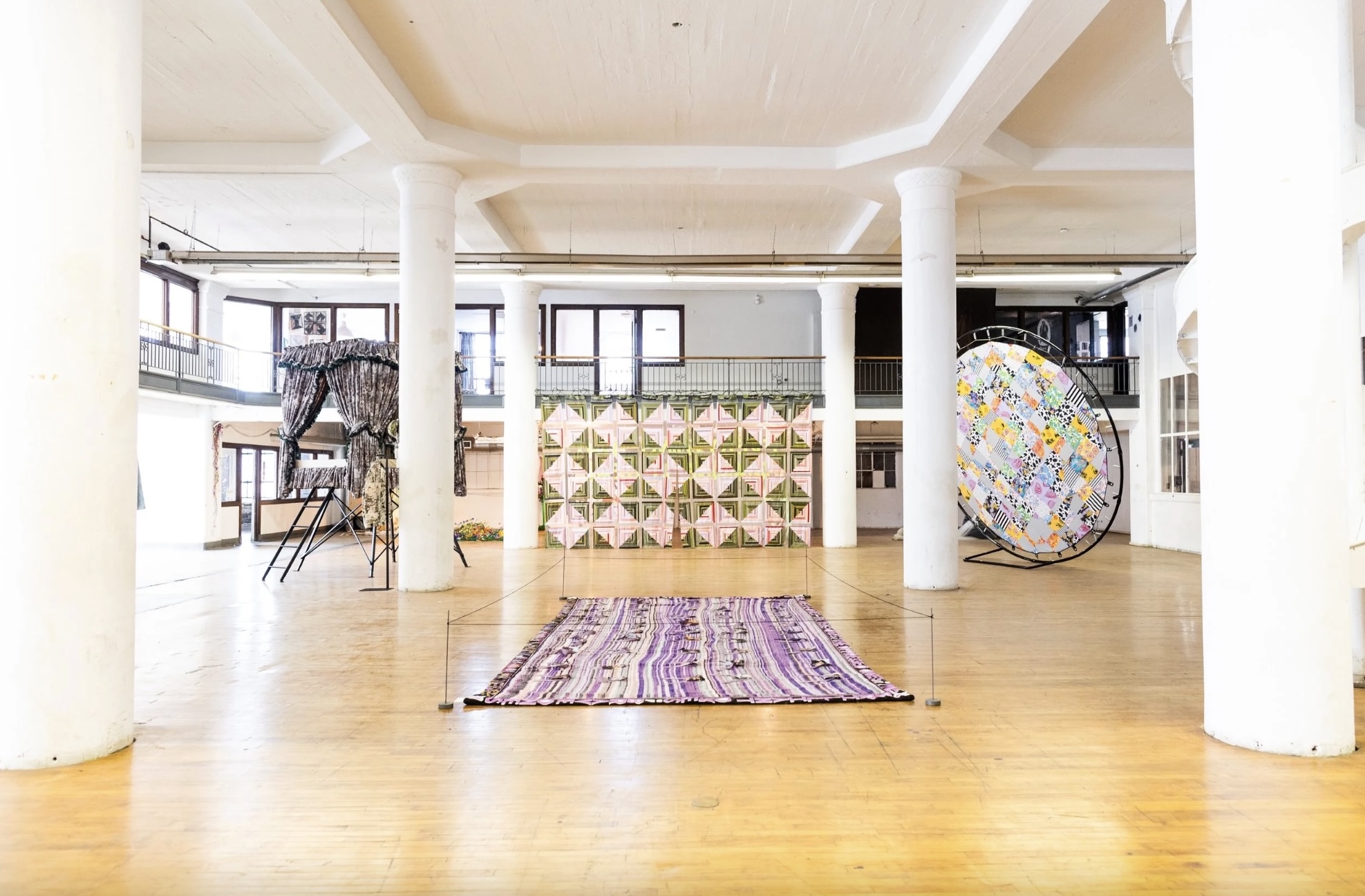
Although the term has been around since the 1950s, fiber art is a relatively unrecognized art form for people outside the fine arts community. Not to be confused with textile arts, fiber art is any art form that uses fibers as its medium. Whether it’s wool, cotton, or acrylic; whether it is spun into yarn, woven into fabric, or beaten into paper, it’s all under the umbrella of fiber art.
Despite its niche, fiber art is experiencing a resurgence in popularity, with many people taking their casual hobbies and transforming them into a passionate art form. Some attribute this response to the prevalence of technology in everyday life. The physical and tangible nature of fiber is alluring in a world of screens.
Another possible explanation is that people are taking the hobbies they learned during the pandemic and turning them into a medium of self-expression, storytelling, and beauty. Crafts such as crocheting, sewing, weaving, embroidery, and even rug tufting became favored during the pandemic as a form of therapy and meditation during such a stressful time. It’s only natural that those who continued their craft after lockdown would try to experiment with the limits of their medium and create works of art.
Fiber art is also very accessible, in contrast to other media. Things like quilting, crochet, and embroidery are fairly simple and easy to pick up, and once you have the basics down, you have free rein to do whatever you want with them. These art forms are wide-ranging, and you never truly stop learning, as there is always a new technique, pattern, or shortcut to learn. They don’t require a studio space–or expensive tools and materials–all you need is one crochet hook, a needle, something to sew onto, a wooden frame, and yarn to weave together.
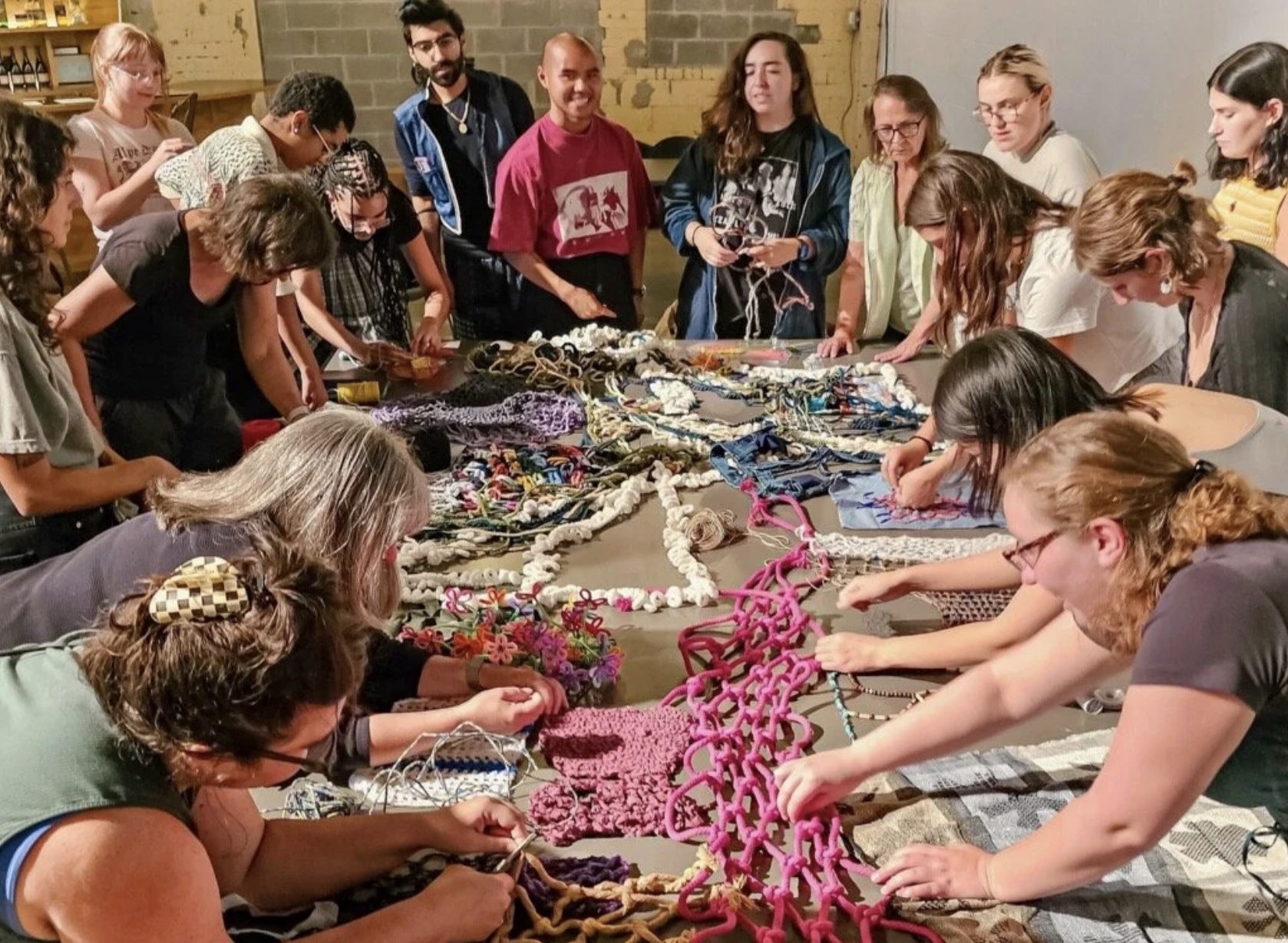
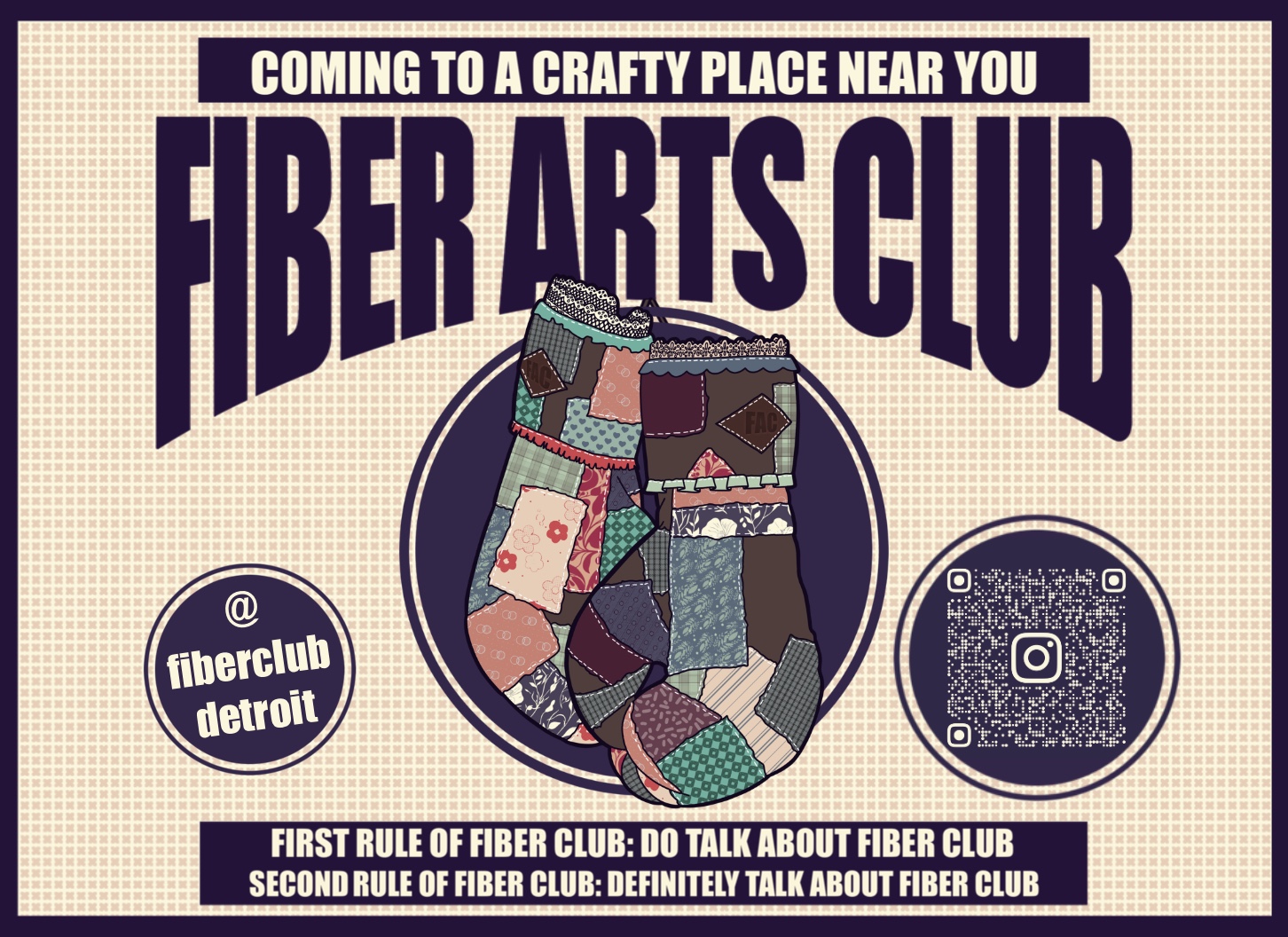
With this popularity, a community has formed around fiber art in the heart of Detroit, Michigan. Simply called the Fiber Club, this very passionate group of artists, hobbyists, and educators meets monthly to discuss opportunities, present their projects to one another, and, recently, has hosted guest-instructed meetings.
The founder of the club, Katty Scholmen, expressed a desire to find a community, so she started the club. “I don’t know it was a little past COVID, and I think everyone was feeling a little lonely,” said Scholmen, “I sent out some emails to people I knew asking for some thoughts about the kind of gathering they’d maybe want to have, and if they wanted to have one, and sort of very organically it started to grow and grow.” Scholmen originally sent out 30 emails in 2022, and as of 2025, nearly 700 people are subscribed to the Fiber Club newsletter. Scholmen now runs the club with Meg Morely.
During an average in-person meeting with the Fiber Club, you’ll see people of all ages and skill levels, but all share a common passion for the art form. It is not uncommon to see many members working on their own projects while waiting for the meeting to start. The October meeting was the first time the club welcomed a guest host. Lindia Kentoffio presented about a niche form of fiber art: paper art. They explained the creation of the paper and the techniques to transform it into works of art. It begins when raw fibers, such as cotton, flax, or bamboo, are hand-beaten for hours until they become a pulp, which is then suspended in water. From this, the artist will take a wood-framed screen and submerge it in the water. The fiber suspended in the water will stay on top of the screen, and the water will run off, creating a thin layer of watery fiber that will then dry, resulting in paper.
Kentoffio also explained the history of paper as an artistic medium, and the cultures that discovered it. Afterwards, Scholmen and Morely updated the group about upcoming opportunities, such as an open class for exhibitions. Following this, members took turns announcing or asking for resources and events.
In Scholmen’s words, Fiber Club, “shows that people really want to be in conversation and community, and learn and share, and collaborate. And fundamentally, we just try to be a contender for that kind of activity.” In a post-pandemic world, finding and keeping community has never been harder. It’s easy to become isolated, and the feeling of helplessness can now be a part of day-to-day life. And with the prevalence of artificial intelligence, art–and the artists who make it–is becoming increasingly devalued in mainstream conversations. The medium of fiber art not only connects people through their shared passion but also creates a unique community of crafters and artisans who want to uplift and keep art alive.