

Garden City’s New Primary Care and Aesthetic Clinic Is Redefining Patient Care
Gallery
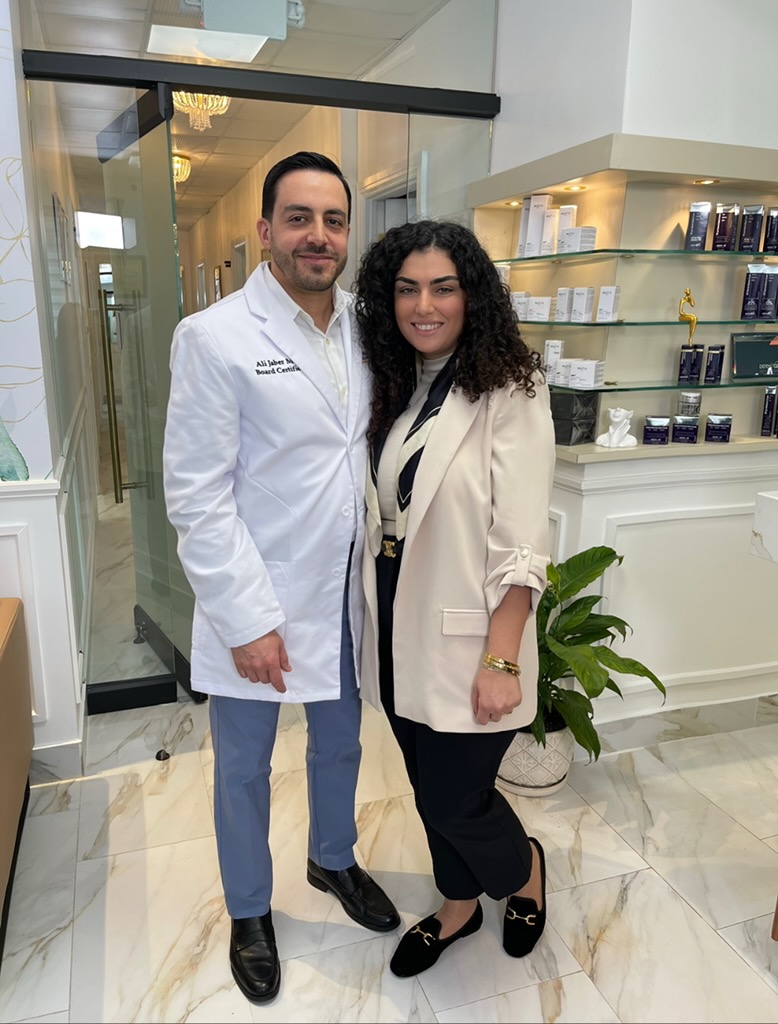
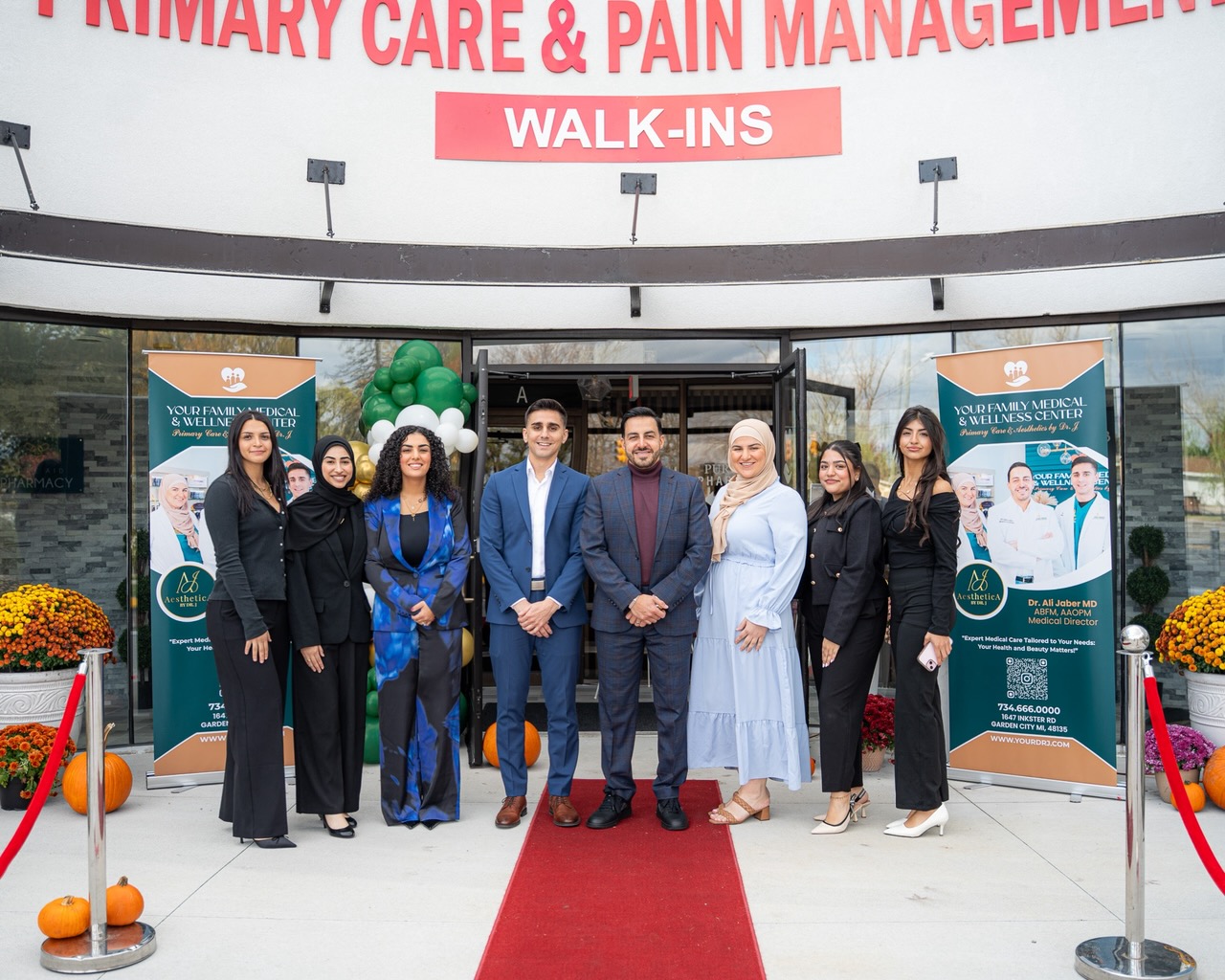
Your Family Medical & Wellness Center in Garden City is transforming healthcare access for families who have spent years without a primary care provider. Founded by Ali Jaber and his wife, Hiba Jaber, the clinic delivers comprehensive primary care alongside many aesthetic services.
Since opening Your Family Medical & Wellness Center earlier this year, Ali Jaber has heard countless patients say, “No one ever took the time to explain it like this."
When he worked in a hospital, Ali Jaber found that many patients arrived feeling rushed, dismissed and seeking clarity. Ali Jaber wanted to create a space where patients receive unconditional attention, clear explanations and the continuity of care that comes from seeing a physician who truly knows them.
But the path to opening the clinic was far longer and harder than Ali Jaber and his wife, Hiba Jaber, ever imagined. They purchased the building at the end of 2022 and began renovations, credentialing, licensing and Ali Jaber's aesthetic training, which took him traveling from state to state. Everything was moving forward, but that was until their world stopped.
Their 2-year-old daughter, Yasma Jaber, was diagnosed with leukemia. "It was a huge shock and a very heavy time," Hiba Jaber recalls. Yasma Jaber faced severe complications and nearly lost her life. The clinic and the dream all had to pause.
The first year was the hardest. But then Yasma Jaber moved into maintenance therapy and went into remission. As strength returned to Yasma Jaber’s body, Hiba Jaber knew what they had to do. "Look at her. She's brave and strong," she said to Ali Jaber. "We have to be strong and brave for her, and we have to do this for our family."
After their toughest journey, Your Family Medical & Wellness Center opened its doors in February.
Ali Jaber is an Arab-American board-certified physician with training in both primary care and medical aesthetics. He completed medical education and residency in Michigan.
Ali Jaber became a doctor because he has always been drawn to problem-solving and helping people improve their lives through knowledge and care. “Medicine allows me to combine critical thinking with human connection, and that balance is what keeps me motivated every day,” said Ali Jaber.
Meanwhile, Hiba Jaber plays a critical role in shaping the heart of the clinic. Hiba Jaber is the manager at Your Family Medical & Wellness Center. She is an architect by training and has a background in interior design.
“Dr. Ali Jaber is my husband and we’ve been together for 13 years. Opening a primary care clinic and aesthetics med spa was one of his dreams, and it became a shared vision for both of us,” said Hiba Jaber.
Hiba Jaber mentions that she wanted to create a warm, inviting place that feels like home, not a harsh, bright and hospital-style clinic. “We call it a 'family medical and wellness center' because we want it to feel like a family space where people feel cared for,” said Hiba Jaber. “The goal is for patients to feel that we will take care of them, help them feel better and help them look better. It’s a place where we listen to people, where they feel seen and heard. That’s the feeling I wanted the design and atmosphere to give from the moment they walk in.”
Yasma Jaber’s personal experiences played a role in shaping the opening of the clinic. “The experience has been extremely hard and still is, but it made us stronger and braver,” said Hiba Jaber. “It gave us a deeper sense of purpose and inspired us to pour our hearts into this project for the future of our family. We know how important it is to have a team and a doctor who really cares.”
“At our grand opening, we dedicated the project to Yasma Jaber. Her strength and resilience are at the heart of this clinic,” said Hiba Jaber.
This clinic offers many services, including comprehensive primary care services, preventative care, chronic disease management, urgent visits, annual exams, women’s health, pain management and wellness consultations. Ali Jaber explains that physical health and self-confidence are closely connected.
“Offering aesthetic services allows us to address both, which results in better overall well-being for many patients,” said Ali Jaber. “It also gives people access to trusted care from a licensed medical professional, rather than seeking cosmetic services in non-clinical settings.”
The type of aesthetic services this clinic offers are Botox and dermal fillers, laser hair removal, intense pulsed light photofacials, microneedling and platelet-rich plasma, skin tightening and rejuvenation, body contouring and laser liposuction, IV vitamin therapy and medical-grade skincare treatments.
According to the Revival MD Aesthetic Clinic, blending primary care with aesthetic medicine supports both medical needs and cosmetic goals to promote whole-person wellness. This integrated approach strengthens preventive care, enhances overall well-being, and provides more personalized, patient-centered care.
Much of the clinic’s identity comes from Hiba Jaber’s creativity. “I built the vision, the look, the branding and the interior design,” said Hiba Jaber. “Every single detail you see inside, like the shapes, the layout and the décor comes from a vision that Ali Jaber and I created together, guided by my architecture and design background.”
Hiba Jaber oversees the overall patient experience, the branding, operations, staff and daily workflow. “I oversee scheduling, how the clinic runs, and even the 'vibes' and energy of the space,” said Hiba. “I’m involved in how patients feel from the moment they walk in, how the staff greets them, the warmth of the interaction and the details of their visit.”
Ali Jaber goes on to explain that personalized primary care means treating each patient as an individual rather than a diagnosis. “A personalized visit focuses not only on symptoms, but on lifestyle, family history, mental well-being and long-term prevention,” said Ali Jaber. “It may mean taking a few extra minutes to explain lab results, adjusting a treatment plan based on a patient’s schedule or helping someone set realistic health goals.”
Hiba Jaber reflects on her experience building the clinic alongside her husband.“We worked together, laughed, disagreed and pushed through challenges. It’s not always easy having your husband as your boss, but it’s also the best thing because we share one vision. We built this clinic together from the ground up, combining his medical passion with my design background.”
As the clinic grew, so did the team. Reem Sabra is a Physician Assistant student at Central Michigan University. She has been a medical assistant and phlebotomist for five years. “We live in a diverse community where many people don’t have access to care,” said Sabra. “Some patients don’t have insurance, and some haven’t seen a doctor in months. I want to be the type of provider everyone can access, even if that means opening a free clinic one day.”
Sabra explains that, being local to Garden City, she has seen many patients struggle to access primary care and instead rely on urgent care clinics. “There’s nothing wrong with urgent care, but it’s fast medicine,” said Sabra. “For chronic conditions like diabetes, hypertension and high cholesterol, urgent care isn’t the right place because patients won’t consistently follow up, and they’ll see a different provider each time. Primary care is different.”
Sabra adds, “Patients see the same doctor every visit, which is someone who knows their story, understands their preferences and knows their medical history.” said Sabra.
Sabra explains that many patients struggle to get appointments elsewhere. Some even travel from as far as Lansing because their local clinics aren’t accepting new patients.
"They appreciate primary care because we know them, follow their chronic issues and we’re available whether they need a telehealth visit or a walk-in,” said Sabra. “Other clinics sometimes have long wait times, but we can often see them as soon as the next day. We’re able to start them on treatment while they wait for specialty care. While wait times exist anywhere, we really try to keep ours under 10–15 minutes, while still giving them quality time with the doctor." Ali Jaber explains why he chose Garden City as the home for his clinic.
“Garden City is a community with a strong foundation of families, small businesses and long-term residents,” said Ali Jaber. “I saw a need for accessible, high-quality medical care that combines the professionalism of a medical practice with the comfort and consistency of a family provider. Garden City was the right location to build lasting patient relationships.”
Hiba Jaber says the most meaningful part of the clinic’s work is the deep connection they’ve built with the community. “We’ve become part of the community,” said Hiba Jaber. “We greet patients by name. They are not just numbers or dates of birth. We follow up with them after visits or procedures. If a patient was sick, I call a day or two later to check on them.”
Another key member of the team is nurse practitioner Zienab Beydoun. “I have three degrees, all from the University of Detroit Mercy,” said Beydoun. “I earned my bachelor’s degree in biology, then immediately entered their accelerated nursing program. After working for about two years as a registered nurse, I returned to school to complete my master’s degree to become a nurse practitioner.”
Beydoun goes on to explain what a nurse practitioner does and how that role differs from a registered nurse or a medical assistant. “A medical assistant typically works in a clinic and helps prepare patients for the provider,” said Beydoun. “They call patients from the lobby, bring them to the room, take vital signs, get weights and help set up the visit. A registered nurse usually works in a hospital setting. They carry out the orders placed by physicians or nurse practitioners. They start IVs, give medications and perform certain procedures.”
Beydoun says, “A nurse practitioner is more advanced,” adding, “We are an extension of the physician. We can evaluate patients, diagnose conditions, write prescriptions and place orders. We can do almost everything a physician can do, but we work under a supervising doctor. For me, that supervision comes from Dr. Ali Jaber, who I consult if I’m not completely certain about something.”
Beydoun reflects on patients’ experiences seeking healthcare before the clinic opened. “A lot of people struggled to find a provider they felt connected to,” said Beydoun. “It’s important for patients and providers to understand each other. You can be the smartest doctor in the world, but if you can’t communicate in a way the patient understands, it doesn’t matter. People want someone who listens and explains things clearly.”
Ali Jaber notes that some patients have gone years without a check-up. “Some even report 10 years or longer without consistent primary care,” said Ali Jaber. “Our goal is to make it easy to return to regular visits and preventative screening.”
According to the Michigan Academy of Family Physicians, 20% of adults and 8% of children are not seeing a primary care physician for essential routine care such as well-child visits, annual exams and immunizations. As a result, many individuals are turning to urgent care centers and emergency rooms for needs that could be more effectively managed in a primary care setting.
Sabra explains how the clinic supports patients who don’t have health insurance or can’t afford a co-pay. “We try to see every patient we can,” said Sabra. “If a patient hasn’t received care in a long time, we work directly with the doctor to get them in. If someone doesn’t have insurance or can’t pay their co-pay, we still see them. We’ve never turned anyone away for financial reasons.”
Sabra believes, “Everyone deserves access to healthcare regardless of their financial status.”
Hiba Jaber reflects on her first patient interaction and how emotional the moment was for her. “The first patient was a mom with a 21-year-old son who has special needs,” said Hiba Jaber. “She is his caregiver. She told us that at other primary care clinics, he refused to be seen or touched. He would act out and was never comfortable.”
Hiba Jaber recalls the mom saying, “it was the first time she felt her son was at peace.” Hiba Jaber remembers, “He was relaxed and willing to talk to the doctor. Ali Jaber connected with him in a calm, friendly way, almost like a buddy, speaking from his perspective and meeting him where he was.”
Hiba Jaber said the mom “was so happy to finally find a doctor her son would talk to. That experience was deeply emotional for us and confirmed that our vision for the clinic was right.”
Ali Jaber says he wants every patient to feel informed, respected and supported. “They should walk out knowing their concerns were taken seriously and that they have a clear plan moving forward,” said Ali Jaber.
He plans to grow both the primary care and aesthetic offerings.
“We will continue adding new technology and expand outreach to neighboring communities. Our mission is to keep evolving with patient needs,” said Ali Jaber.
Your Family Medical & Wellness Center accepts almost all insurance plans for primary care, including Molina Medicaid, Medicare, Blue Cross Blue Shield Association, UnitedHealthcare, Aetna, Priority Health and many more. However, insurance is only accepted for primary care. Aesthetic services are not covered by insurance, but they offer payment plans, financing, discounts, rewards programs, points systems and memberships with special perks.
For more information about services or to schedule an appointment, call (734) 666-0000.