
Why People Seek Out Fear and the Thrill of Being Scared
Gallery
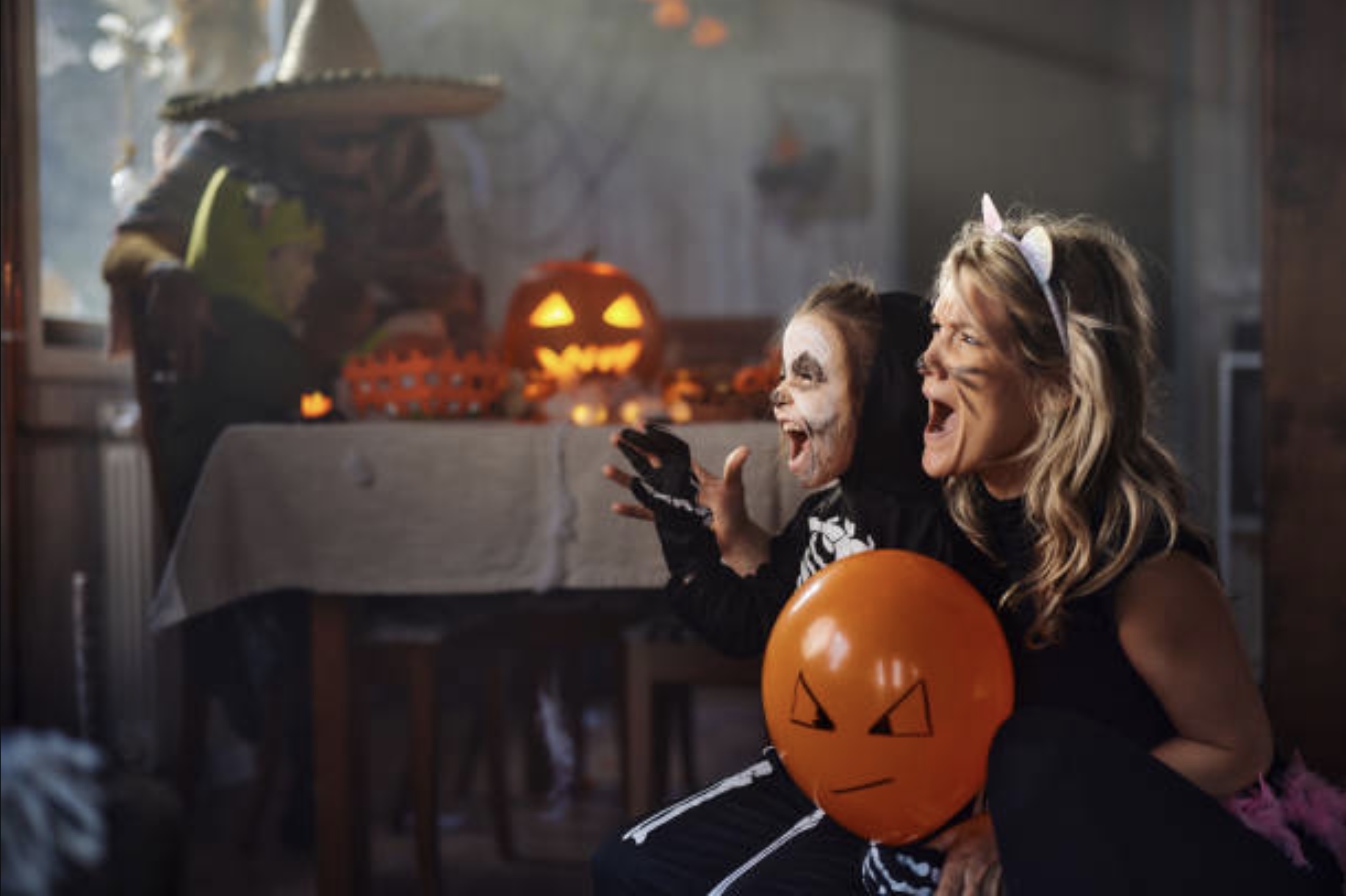
Illustration of mom and daughter in Halloween costumes being scared courtesy iStock Getty Images
Fear is usually something people try to avoid, but oftentimes it is the curiosity that makes it so entertaining, especially when we know it’s not real. People willingly spend money to walk through haunted houses, watch horror movies and surround themselves with things designed to frighten them. Halloween celebrates everything from supernatural legends to masked killers.
Our brains respond to potential danger when we become frightened. Our bodies can activate the fight-or-flight response, increasing our heart rate and preparing us to react. Even when we know we are watching a fictional movie, our bodies can still respond to frightening images and sounds. The experience can feel real, even when the threat is not.
This past weekend, I went to Eloise with my family. In the haunted house, a former mental hospital, people pay to be scared. If I don’t jump or scream, I feel like the haunted house didn’t do its job. While waiting in line, one of the scare actors got right in my face. He was most definitely expecting me to freak out, but instead, we just had a staring contest. It’s just a man with an okay face paint job, and I’m not even sure what he was supposed to be. He approached me again later, but this time he stopped and spread his legs apart. Another actor came sliding through and actually made me jump. Both scare actors had a laugh after finally getting a reaction out of me.
Sometimes, the scariest part of a horror movie is not what appears on screen, but what you hear before it happens. An eerie soundtrack, a faint whisper or the slow buildup of tension can make an ordinary hallway feel threatening. Filmmakers use sound to create anticipation, making audiences feel that something is wrong even when nothing frightening is visible.
Think about watching a horror movie with your eyes covered. You might miss the killer jumping out, but you could still feel your heart racing as the music grows louder or an unsettling sound creeps into the background. Sound can influence our emotional responses and alert us to potential danger before we know what is happening.
Silence can be just as effective. When the music suddenly stops, audiences are left waiting, wondering when something will happen. That anticipation can sometimes be more frightening than the jump scare itself. The fear comes not only from what we see, but from what we expect to happen next.
This helps explain why some people look forward to horror movies and haunted attractions while others would rather avoid them. People experience fear differently, and what thrills one person might distress another.
Knowing a movie is fictional or that a haunted house actor is performing can help people enjoy the experience without feeling as if they are facing real danger.
Halloween gives people a chance to explore fear in different ways, whether through scary movies, haunted houses, costumes or telling ghost stories with friends. The holiday turns fear into an experience people can choose to share.
Maybe Halloween’s appeal is not simply that people enjoy being scared. It is that fear can feel different when we have some control over the experience. A dark hallway, a sudden noise or an unsettling soundtrack can make us imagine the worst, even when we know we are safe. Sometimes, the most frightening thing in a horror movie is not what we see, but what the movie makes us expect to see.