
Psycho to Scream: How Slasher Movies Evolved
Gallery
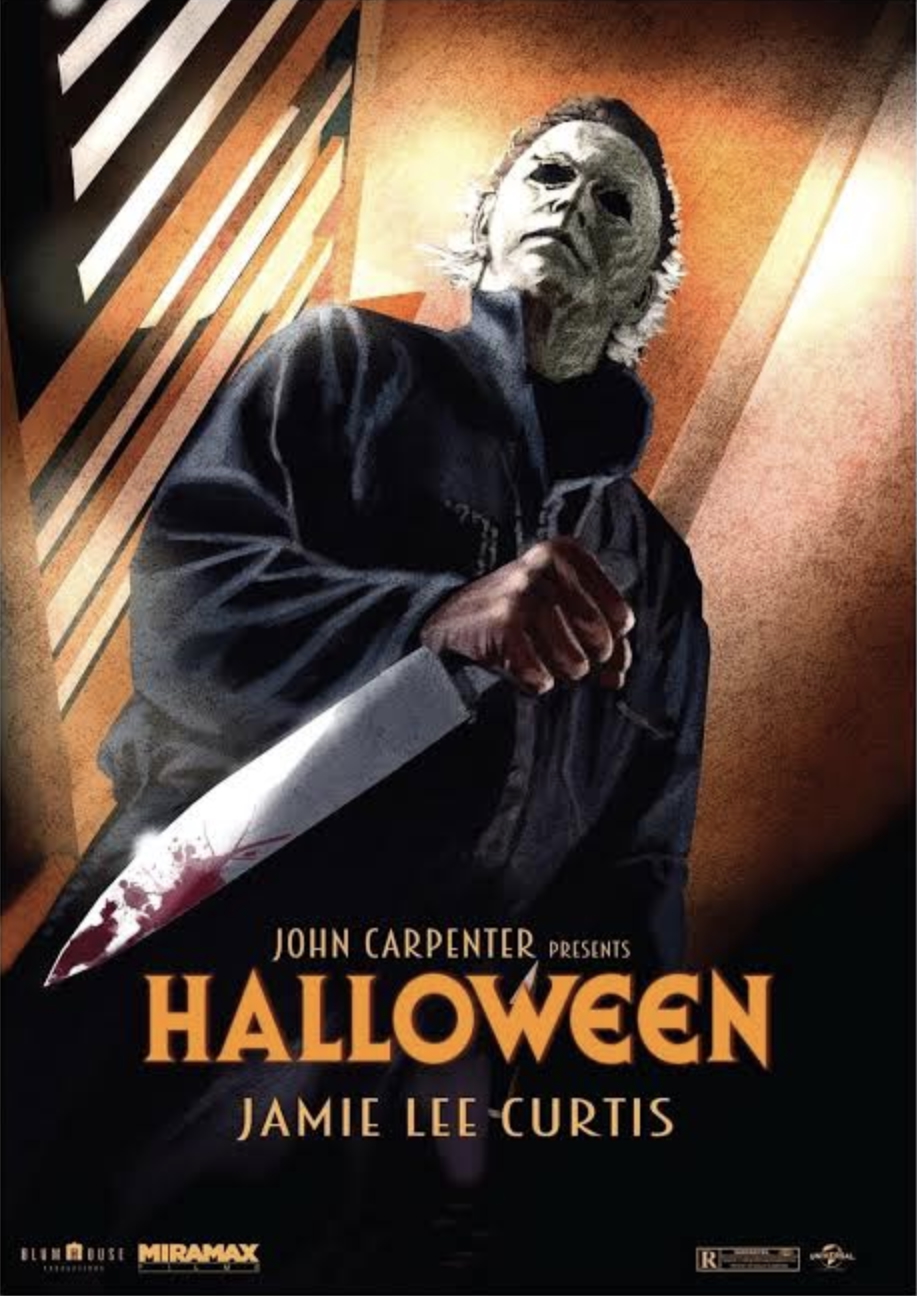
From Michael Myers in “Halloween” to Ghostface in “Scream,” slasher movies have been scaring people for decades. Even though a lot of these movies follow a similar formula, they still find ways to keep audiences interested. Slasher movies are usually centered around a killer who hunts down a group of victims, often using knives or other handheld weapons. Many also feature a survivor who has to find a way to escape or fight back. Over time, these movies have developed familiar patterns, which is part of what makes them so recognizable to horror fans.
Movies like Psycho (1960) helped push the limits of what Hollywood was willing to show in horror films. Alfred Hitchcock used suspense, violence, and the psychology of a killer to disturb audiences, especially in the famous shower scene. Although Psycho wasn’t the first movie to show murder or use a knife, it helped change the way horror stories were told.
Years later, “Black Christmas” (1974) took some of these frightening ideas in a direction that would become more recognizable in slasher movies. The film follows a group of sorority sisters who begin receiving disturbing phone calls while a killer hides inside their house. Instead of focusing only on the killer’s psychology, it builds suspense around victims being stalked and hunted. “Black Christmas” came closer to the slasher formula that movies like Halloween would help popularize a few years later.
“Halloween” (1978), with its seemingly invincible Michael Myers, popularized the masked killer who methodically stalks his victims, while Friday the 13th (1980) helped make the formula even more popular.
But not every slasher villain is the same. Freddy Krueger from “A Nightmare on Elm Street” (1984) doesn’t wear a mask. His burned face, bladed glove, and ability to attack people in their dreams make him stand out.
By the 1990s, slasher movies were taking a different approach. “Scream” (1996), directed by Wes Craven, made fun of the same horror movie rules audiences had been watching for years. Instead of simply following the usual slasher formula, the movie made its own characters aware of the clichés that horror fans had come to recognize.
In “Scream,” the characters talk about horror movie rules while being part of a slasher movie themselves. Ghostface also brought something different to the genre because the identity of the killer remains a mystery until the reveal at the end of the film, keeping audiences guessing about who is behind the mask.
Modern slasher movies still use a lot of the same elements that made earlier films popular, but filmmakers have also found ways to put their own spin on the genre. Movies like “The Strangers” continue to use masked attackers and the fear of not knowing who is behind the mask or why they are targeting their victims.
“Happy Death Day” (2017) combines slasher horror with a time loop, and “Heart Eyes” (2025) mixes horror with romance and comedy. “Terrifier (2016)” turned Art the Clown into a recognizable horror character. His appearance has become popular among horror fans, especially around Halloween, showing how a modern killer can become an icon of the genre.
Modern slashers may rely on familiar ideas, but the characters and concepts that stick with audiences keep the genre alive. Michael Myers, Jason Voorhees, and Ghostface have become some of the most recognizable killers in horror, and people keep coming back to see them.
But it’s not just about the killers. We also get attached to the people who survive them. Laurie Strode has faced Michael Myers for decades, and Sidney Prescott has been escaping Ghostface for years. With “Scream,” though, I think there comes a point where you have to wonder how many more times Sidney can be dragged back into the same nightmare. The franchise keeps introducing new characters and storylines, but sometimes I think continuing a series for too long can take away from what made it so good in the first place.
Since “Psycho”, slasher movies have come a long way, but some of the same ideas are still being used today. We still see masked killers, familiar weapons, and people fighting to survive. The challenge for horror filmmakers is keeping these stories interesting without making every killer feel the same. After all, anyone can put on a mask and pick up a weapon, but not every killer becomes a horror icon that audiences will remember for decades.