

Looking Beyond Campaign Ads: What Voters Should Know
Gallery
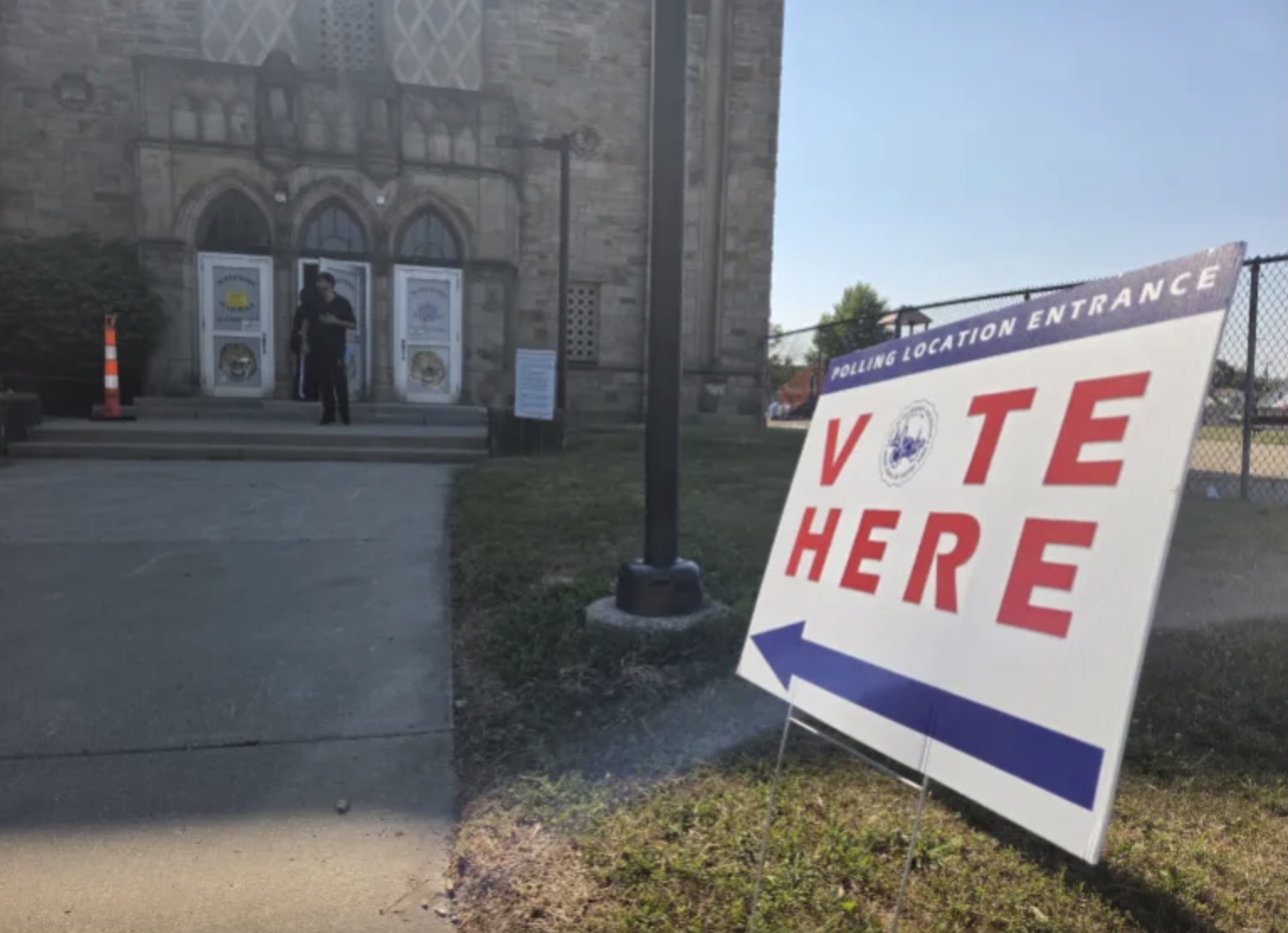
A sign advertises a polling station in Dearborn, Michigan, on election day, August 4. Photo by Ali Harb for Al Jazeera.
For many college students, the upcoming midterm elections may be their first opportunity to vote. But between campaign advertisements, social media posts, and conflicting political information, deciding which sources to trust can be challenging.
Campaign advertisements are one way candidates communicate their platforms to voters. While these advertisements introduce voters to candidates and their positions on important issues, they are also designed to persuade voters to support a particular candidate.
Some political messaging may also create distrust and discourage people from participating in elections. This raises an important question: How can voters distinguish factual information from messages intended to influence their decisions?
Anthony Perry, a political science professor at Henry Ford College, explains how campaign advertisements use controversial issues to appeal to voters’ emotions. He identified the war in Iran, immigration, AI data centers, and inflation as examples of issues that can be used to influence voters’ opinions and encourage them to support a particular candidate.
Connie R. Mitchell, president of the League of Women Voters of Dearborn–Dearborn Heights, says that it is very important to distinguish political persuasion from factual information.
Campaigns are designed to persuade voters, which is not necessarily wrong. Candidates are free to explain why they believe their proposed policies are the best. Mitchell says, “The concern arises when persuasion replaces facts, context, and honest discussion.” When campaign advertisements leave out important details, voters may not have enough information to fully understand the issues or evaluate candidates’ positions.
One way voters can look beyond political persuasion is by examining candidates’ promises and whether they have realistic plans to fulfill them. Perry notes that it is possible that a candidate might not have enough time to accomplish the goal they set at the beginning of the campaign. He says, “It is also possible that their goals have changed either due to time or because they found it to be better for the people.” This is important to consider when examining a candidate’s campaign promises. Mitchell offers another perspective by explaining that voters should look beyond the promises themselves and consider how candidates plan to fulfill them.
“A campaign promise should be the beginning of a conversation, not the end of our examination,” Mitchell says. By examining these promises more closely, voters can better understand whether candidates have realistic plans and the necessary resources to accomplish their goals. With misinformation circulating online, it is important for voters to know where to find reliable information when evaluating candidates. When reading articles about candidates, voters can check publication dates and examine the evidence provided to determine whether the information is accurate.
Mitchell advises, “If a post claims that a candidate made a particular statement, look for the complete speech, interview, official transcript, or recording. If the claim concerns a government decision, consult the relevant public records or official government website.”
AI can also be used to create misleading images or videos that distort how political events or candidates are portrayed. Looking for original speeches, recordings, and transcripts can help voters verify what was actually said and identify important context that online posts and articles may have left out. Verifying sources can help voters determine whether the information they encounter accurately represents a candidate’s statements or actions. Political messages may leave out important context, which can change how a statement is understood.
By comparing information with original recordings, transcripts, and other reliable sources, voters can gain a clearer understanding of the issues being discussed. Perry stresses the importance of an independent press, particularly when political misinformation is widespread. He emphasized the need for journalism that maintains editorial independence, limits political bias, and provides enough factual information to verify claims made in campaign advertisements and identify misinformation.
Even with reliable sources available, younger voters may still struggle to understand political issues and determine which information they can trust. Some may feel that their vote will not make a difference or that politics is too complicated to understand. However, voters do not need to know everything about politics or the election process before participating. They can continue learning about political issues and the voting process over time.
Mitchell explained that communities can help address the barriers younger voters face by making voter education more accessible and relevant to their lives. She says, “I would tell young women and college students that your voice matters, your concerns deserve attention, and your participation is important even when you are still learning.” Her response emphasizes the importance of asking questions and remaining open to learning about political issues, especially when elections can influence decisions that affect the communities where voters live.
Access to voter education and reliable information can help younger voters feel more confident as they learn about the election process. As midterm elections approach, the importance of looking beyond campaign advertisements extends to understanding the information, promises, and political issues that may influence voters’ decisions.
As Mitchell emphasized, “An informed voter is an empowered voter, and our democracy is stronger when voters make decisions based on facts rather than assumptions."