

High Cost of Being an International Student
Gallery
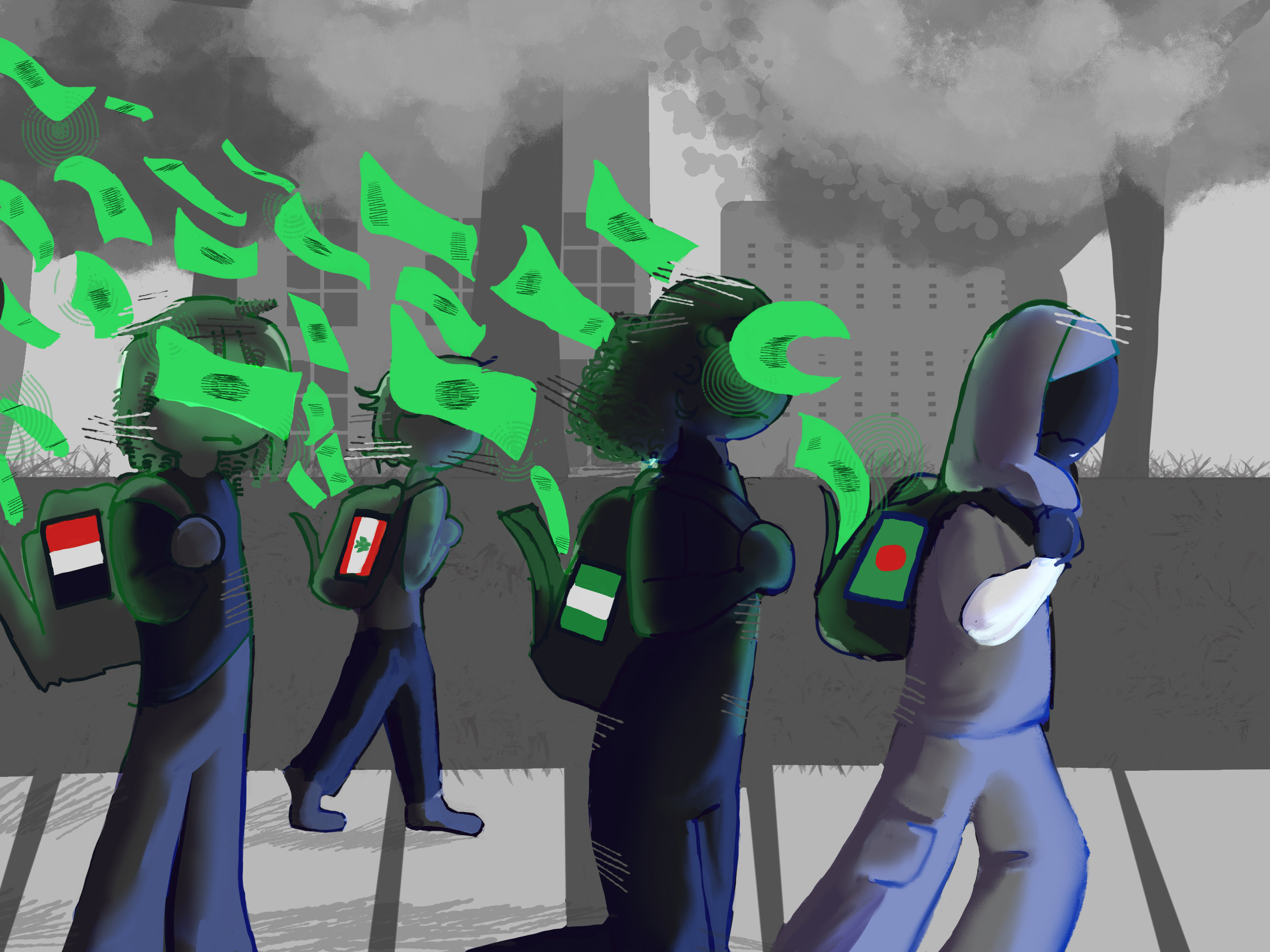
For many international students, studying in the United States represents an opportunity to pursue higher education, build a better future, and experience life in a new country. Behind this opportunity are financial challenges that can be difficult to manage. Tuition is only one part of the cost of studying abroad. Housing, food, transportation, health insurance, textbooks, and other everyday expenses can place additional pressure on students who are already trying to succeed academically.
International students often have to navigate these financial responsibilities while adjusting to a new education system and environment. Depending on their circumstances, some may rely on family support or personal savings, while others seek employment opportunities to help cover their expenses. International students are often restricted in their employment options, and many are not permitted to work off campus. Financial pressure can influence how students manage their time, make personal sacrifices, and balance academic responsibilities with their everyday needs.
According to the Association of International Educators, international students contributed over $42.9 billion to the U.S. economy last year, including $2.2 billion at community colleges. International student tuition at most U.S. colleges is more than double that of domestic students.
For Mohammad Dawi, an international student at Henry Ford College, tuition is his biggest financial challenge. When asked about his most difficult expenses, he identified “Tuition and rent” as his main concern. Although he previously relied on financial support from his father, he explained that his financial situation has become more difficult: “I used to pay my tuition with the help of my father, but now it’s getting hard to transfer money overseas and cover all the expenses.”
The financial pressure has affected Dawi’s personal life and overall well-being. He explained that having rent, tuition, and bills ”due at the end of every month made it harder to cover all the expenses.” He also described how difficult it has been to regain financial stability, saying “it’s taking a lot of time to recover from the problems that I faced financially.”
For another international student at Henry Ford College, who requested anonymity, the biggest challenge is finding a decent-paying job. The student explained, “Not finding a decent-paying job can be sometimes stressful. I have trouble keeping up with the majority of my bills by the end of the month, and it’s been hindering my academic progress.”
The student added, “On campus jobs can be limited and only a select few can get it.” At Henry Ford College, like many community colleges in Michigan, on-campus jobs pay the state’s minimum wage, even though some jobs may be more demanding than others.
Rent is the student’s biggest expense, but other basic necessities add to the burden. As the student explained, “Of course there’s all the utilities, plus internet, and let’s not forget food.”
The student continued, “I always feel like I’m running out of time on both my assignments and bills. I sometimes have to favor one or the other depending on how important it is.”
More must be done to help international students manage their financial responsibilities, including tuition and housing assistance, higher wages for student workers on campus, and lobbying to change rules regarding student visas to permit employment opportunities on and off campus.