

Moviegoers are Obsessed with “Obsession”
Gallery
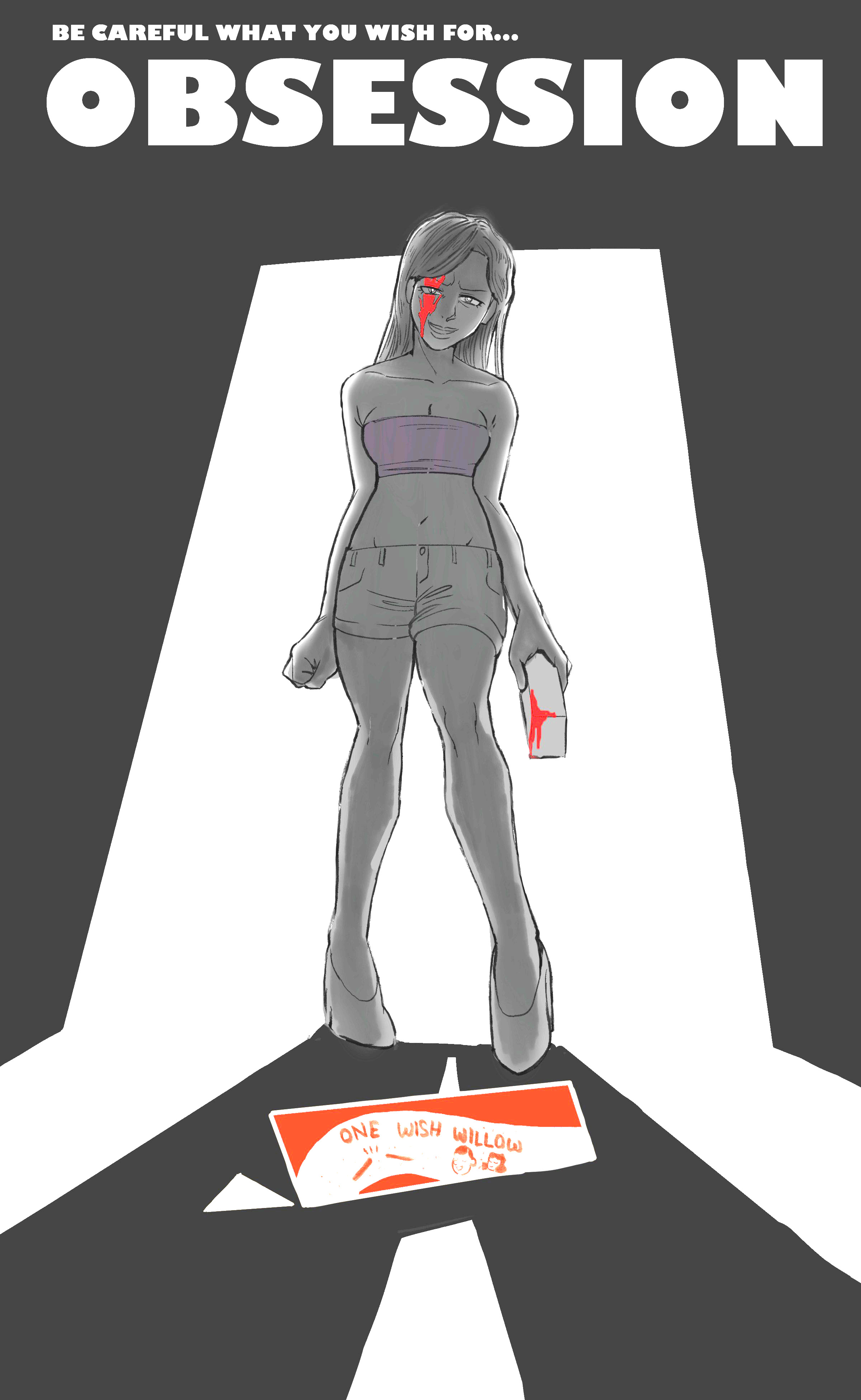
Written and directed by YouTube sensation Curry Barker, “Obsession” is a horror movie that explores themes of autonomy and infatuation. Despite its low budget, it’s arguably one of the year’s best horror movies. The film has grossed an estimated $514 million worldwide. (Note: This review contains spoilers.)
The protagonist, Baron “Bear” Bailey (Michael Johnston “Teen Wolf,” “Endangered Species”), makes a wish for the heart of his long-time friend, Nikki Freeman (Inde Navarrette “Superman & Lois,” “Trap House”). At best, Bear is insecure, anxious and afraid to share his true feelings with his friend, a common theme in romance films. There’s the risk of ruining the friendship, instead of confronting these feelings and Nikki directly, he makes a wish.
However, wishing for someone’s love removes choice and autonomy. This is why the wish transforms Nikki into someone who loves Bear “more than anyone in the world.” To want that type of love out of someone makes the relationship one-sided and selfish. And in that way, Nikki was reduced to Bear’s own desire.
“He is horrible,” says first-year Henry Ford College student Sabrina Baiz, expressing her dislike of Bear: “He really only cared about himself.”
Despite Bear’s feelings for Nikki, his actions never show genuine concern or interest. Bear’s interest in Nikki is debatable even before making the wish. He listens to Nikki but doesn’t really understand her. When Nikki explains that she needs a change, which is why she’s quitting her job, Bear doesn’t understand why she doesn’t like things the way they are. Nikki tries to explain how love stories and romance stories are different, but Bear can’t tell the difference.
Baiz says that Bear “was kinda nervous talking to her (Nikki), so he used the help of his friend, which is normal for avoidant people.” Bear asked a friend for advice, which is a reasonable step for anyone. However, being close to Nikki, Bear knows what bothers her and questions his friend’s advice because he believes it would bother her. Yet, as a last-ditch effort to get the attention of his “love,” he puts that bad advice into practice. This eventually pushes Nikki to directly ask Bear about his feelings: “Do you like me?” Bear denies it, and Nikki confirms his feelings before walking away. “He could have just admitted it right there,” Baiz exclaimed.
Bear concluded that the only way to be with Nikki was to make a wish, whether he believed it would actually work or not. Bear would feign ignorance to the signs that Nikki is acting “strange.” Nikki would go on to instantly attach to Bear and lie about grieving a possible loss, as well as having sudden outbursts.
Despite the change in Nikki, his want for her affection trumps his care for her as an actual person. Bear just wants Nikki to have the same feelings for him that he has for her. Yet before the wish, he didn’t dare to face Nikki with his feelings or give her the chance to respond freely.
At its core, “Obsession” is a cautionary tale of infatuation, inaction, and autonomy. Bear may have suffered as a result of his inaction and willingness to ignore the signs. While it might be easy to blame Bear for making a selfish wish he would later regret, we should try not to distance ourselves from him. We should learn the importance of respecting another person’s autonomy, even if it means we don’t get what we want. After all, one person’s obsession could be another person’s nightmare.
“Obsession” is rated R for strong bloody violence, grisly images, sexual content, pervasive language, and brief graphic nudity. It is available to stream on Amazon Prime Video and Peacock.