

The Future of Photography in an AI World
Gallery
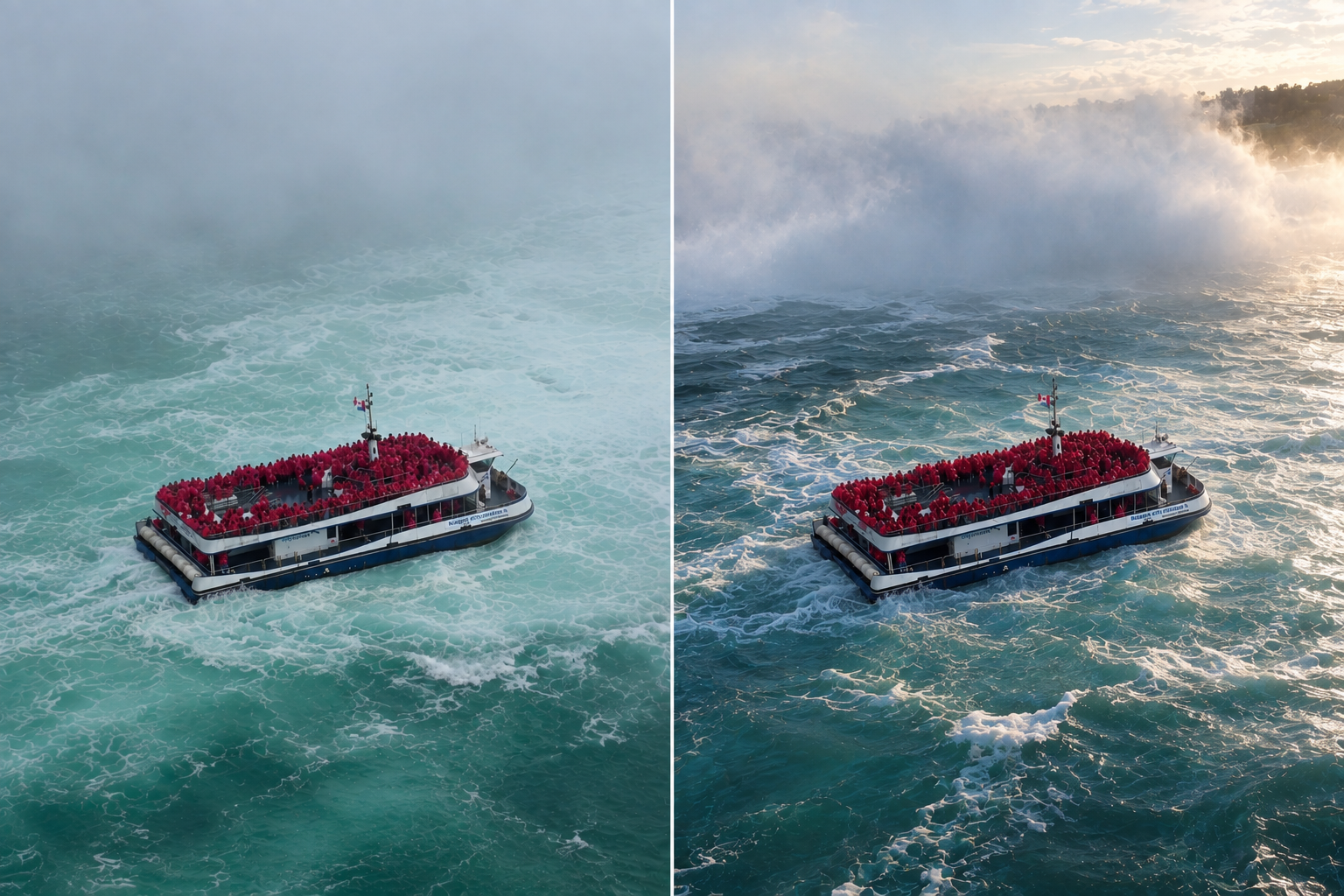
A photograph used to require a camera, a subject and a person behind the lens. Now, an image can be created with a few words typed into an AI program. As artificial intelligence becomes more advanced, it is changing how images are created, edited, and viewed, while also raising concerns about what happens to photographers when technology can produce realistic images in seconds. For some photographers, AI is becoming a useful tool that makes their work faster. For others, its growing presence raises concerns about jobs, creativity and whether people will still be able to trust what they see.
The effect of AI on photography jobs is already becoming noticeable. Professional photographer Mohammed Madry has seen changes in the way clients approach photography as AI-generated content becomes more common. “AI has made editing and creating content a lot faster,” Madry said. “I think clients are also seeing more AI content online now, so sometimes their expectations are different.” While AI can make creating visual content faster, its growing use could also affect the kinds of photography people are willing to pay for.
Madry believes product photography and advertising could be especially affected because businesses may choose to generate an image instead of doing a full photo shoot. A company could potentially create an image of a product without arranging a location, hiring models or bringing in a photographer. Other types of photography, however, depend much more on being physically present. Portraits, sports, weddings and other events require photographers to react to real people and unpredictable moments as they happen.
The difference between generating an image and capturing a real moment becomes especially clear in event photography. At a wedding, for example, a photographer has to stay alert to everything happening around them, ready to capture a laugh, a reaction or a meaningful interaction that may last only for a few seconds. For Madry, that human connection is one of the most important parts of photography. “Real moments and real emotions,” he said, are what a professional photographer can offer that AI cannot replace.
Being able to recognize and capture those moments is also something photographers have to learn. In a photography class, students are not only taught how to use a camera but also how to pay attention to their surroundings and make decisions about what they want to capture. Karen Larson-Voltz, an HFC photography professor, said this process of making decisions in the moment is an important part of photographic practice. “Photographic practice is really about being present,” Larson-Voltz said.
When students take a photograph, they have to decide what belongs in the frame, how the information should be shown and what should be left out. Those choices happen in real time, as the photographer responds to the subject and the situation in front of them. Larson-Voltz explains, “What is in the frame, how the information is portrayed, and what is excluded are active choices that need to be decided at the moment.”
Larson-Voltz also sees an important difference between creating a photograph and generating an image with AI. “Given where AI image generation is, I equate it more with photo-collage than creating a photograph,” she said. For her, photography involves the “decisive moment,” when a photographer has to make choices while looking through the camera and responding to what is happening in front of them.
The distinction becomes especially important for students learning photography. AI can produce an image without requiring them to practice the process of composing and capturing a photograph themselves. As AI becomes more common, students may have to think carefully about when technology is helping them and when it is replacing an opportunity to develop their own skills.
Larson-Voltz also mentioned that she is still unsure of how AI will affect students’ ability to develop their own skills and style. “For me, as a photogenic educator, the jury is still out on AI’s effects on a student’s ability to develop their photographic technical skills, creativity, and style,” she said.
While there are concerns about how AI could affect photography, technology is already useful in some parts of the profession. Madry said he uses AI mostly for editing, removing distractions, enhancing photos and sometimes coming up with creative ideas. “It definitely saves me time,” he said.
AI can also give photographers new ways to experiment. Madry said it can help photographers try ideas they may not have considered before. However, he said relying on it too much can take away from a photographer’s own style. AI can both help or hurt creativity. According to Madry, “It can give you ideas and help you try things you probably wouldn’t have thought of, but relying on it too much can take away from your own style. I think you have to find a balance.”
As AI-generated images become more realistic, another concern is how they could trust people in photographs. If an image looks real but was created or changed using AI, viewers may have a harder time knowing what actually happened and what was digitally created.
However, manipulating photographs is not a completely new issue. Larson-Voltz pointed out that photographers have been combining and altering images since the early days of photography. She gave the example of Oscar Gustav Rejlander, who in 1857 created a print using more than 30 negatives. Later, digital editing using software like Photoshop also changed the way people thought about whether photographs could be trusted.
What is different today is how quickly AI can create and change images. It can generate realistic images without a photograph being taken in the first place. Because of this, knowing how to examine and question an image may become increasingly important.
Larson-Voltz believes photography education can help students develop that ability. Photography is not only about making images, but also about understanding what images are trying to communicate. She said students can learn to become “sophisticated image readers” by examining how a photograph creates a message or feeling for the viewer.
As AI becomes another part of the photography industry, photographers will have to adjust to new technology while deciding how they want to use it. Madry said he does not see AI as something photographers should simply be afraid of. “Technology is always changing, so I think you just have to adapt,” he said. “I’d rather learn how to use AI to improve my work and save time while keeping my own style and creativity.”