

Comparing Lives: Social Media and Student Pressure
Gallery
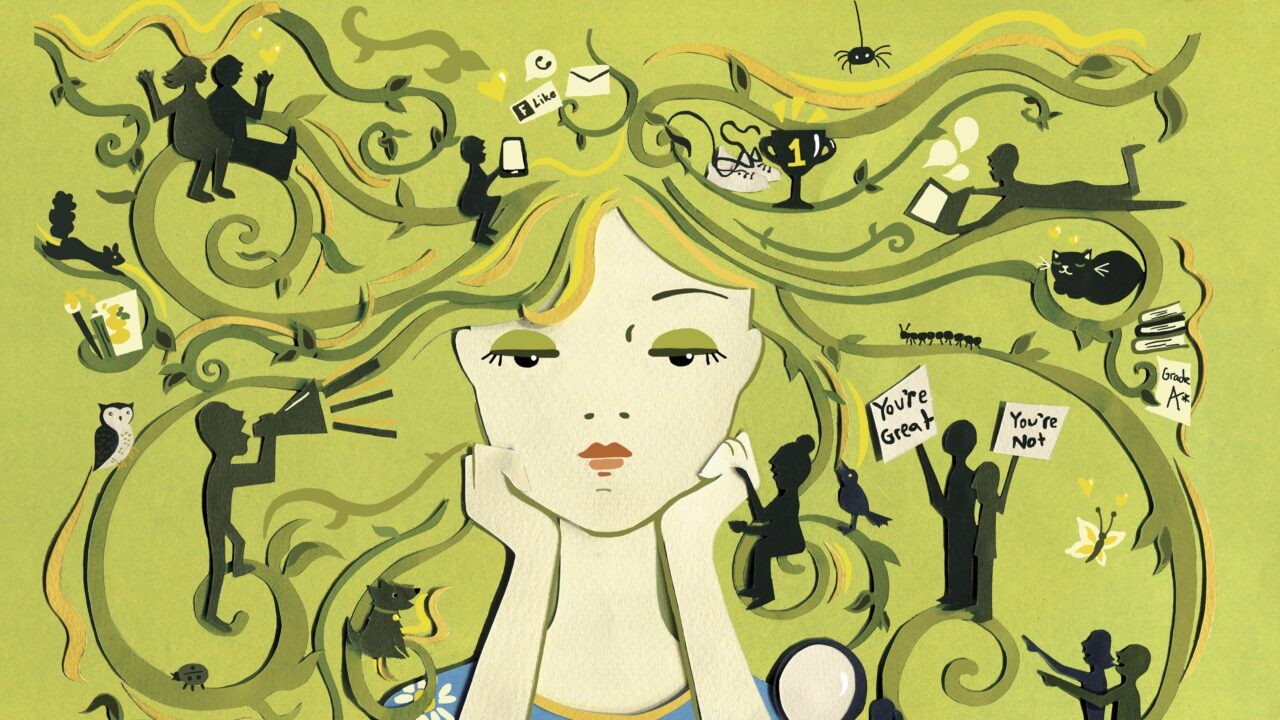
Many college students spend their mornings and evenings looking through social media. Whether on Instagram, TikTok, or Snapchat, timelines can sometimes be filled with selective highlights of success, relationships, and lifestyle successes. While these platforms are built to encourage connection and amusement, they can also create an unspoken pressure for students to compare their own lives to what they see online.
For some, constant comparison can cause feelings of failure, tension, and a fear of falling behind. Social media often presents a wrong perspective of reality. Students are exposed to pictures of their classmates gaining internships, traveling, keeping active social lives, and appearing to have their futures planned out. While these moments may be genuine, they rarely provide a whole picture of the work, setbacks, or problems that preceded them. As a result, many students start comparing their progress to what they see online. Academic attainment, financial security, and personal milestones become standards rather than individual paths. The pressure to "keep up" can be intense, even when students are dealing with their own obligations and issues.
The impact of social media extends beyond comparison to daily routines. Many students say they spend hours browsing throughout the day, usually during breaks between courses or late at night. This constant interaction could cause misconceptions about productivity, achievement, and lifestyle.
The idea of having everything "figured out" at a young age is not new, but social media has made it more common. Platforms allow residents to rapidly share their successes, resulting in a steady stream of information that might make it appear that everyone is moving faster. For students still figuring out their academic plans, this outlook might be discouraging. According to research, increased usage of social media is related to higher levels of stress, anxiety, and low self-esteem among young adults. While these platforms can provide support and friendship, they can also lead to poor self-perception if used constantly or without awareness.
Another aspect contributing to this strain is the blurred difference between authenticity and performance. Students may feel obligated to display their own life in a specific way, carefully choosing what to reveal in order to meet the standards they find online. This might lead to a cycle in which people compare themselves to similarly collected materials from others.
Despite these issues, social media isn't all bad. Many students use these platforms to stay connected, discover new opportunities, and express themselves creatively. However, the impact is heavily dependent on how these platforms are used and how much focus is placed on online validation. Increasing students' knowledge of their social media behaviors may help them cope with the pressures of constant comparison. Limiting screen time, concentrating on personal objectives, and acknowledging that internet content does not always accurately reflect reality are all tiny actions that can make a difference.
While social media continues to play a significant part in student life, understanding its impact is critical. For many college students, keeping a stronger sense of self and lowering needless stress may depend on learning how to differentiate between online perception and actual growth.