

Chronic Stress, Trauma, and Reshaping of the Mind
Gallery
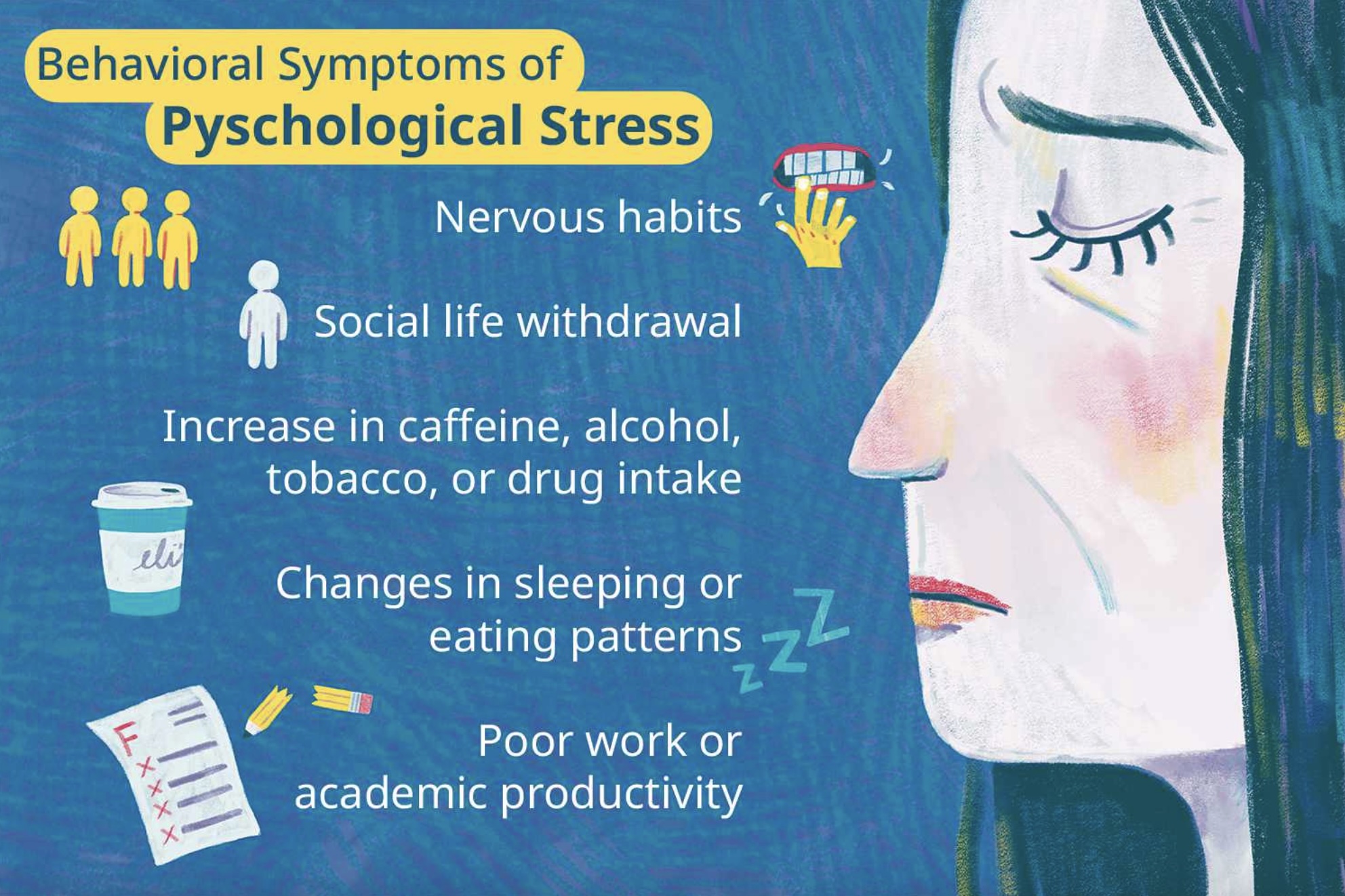
Chronic stress and psychological trauma are increasingly being identified as factors that can alter the structure and function of the brain. Studies conducted by researchers such as J. Douglas Bremner and Bruce McEwen have shown that prolonged exposure to stress hormones can affect key brain regions. As stress-related conditions become more relevant, these findings are reshaping how researchers and healthcare professionals understand the long-term effects of trauma on mental and neurological health.
According to the National Institute of Mental Health, about half of U.S. adults experience at least one traumatic event in their lifetime, and a smaller portion, roughly 6 to 7 percent, go on to develop conditions such as post-traumatic stress disorder. Research has further examined the biological effects of trauma. Researcher and physician J. Douglas Bremner found that “patients with PTSD show increased cortisol and norepinephrine responses to stress,” highlighting how trauma can alter the body’s and brain’s stress response mechanisms.
Many individuals have described how stressful or traumatic experiences have reshaped the way they think and experience the world. In studies of World Trade Center responders, researchers found that individuals with post-traumatic stress disorder exhibited signs of accelerated brain aging compared with their actual age, pointing to long-term neurobiological effects of trauma. Personal narratives further reflect these lived realities.
In her memoir, “This Is The Door,” author Darcey Steinke reflected on the impact of prolonged suffering. She described it as “roiling, anxious, fragmented,” illustrating how her chronic pain can disrupt her everyday life. She adds, “There were some times that I could barely think because it was so bad.”
Similarly, stroke survivor and author Christine Hyung‑Oak Lee, describes part of her brain as “forever dead” in her memoir “Tell Me Everything You Don’t Remember.” Despite this, she worked to rebuild her cognitive abilities and adjust to life post-injury. Reflecting on her experiences, Lee states, “There was no future….there was no past.” These personal narratives illustrate ways in which trauma and neurological injuries can reshape mental processes.
Bruce McEwen, a neuroscientist known for his research on how stress affects the brain, introduced the concept of “allostasis load,” to explain how repeated stress can wear down the body and alter brain function over time. He distinguishes between three different terms, “good stress”, “tolerable stress” and “toxic stress.” McEwen says that “good stress” and “tolerable stress” are considered overall positive outcomes and growth encounters. Noting “toxic stress” as “the situation in which bad things happen to an individual who has limited support.” He also adds “the inability to cope is likely to have adverse effects on behavior and physiology, and this will result in a higher degree of allostatic overload.” Exposure to “allostatic load” over time can damage immune function, causing hormonal imbalances and accelerating cardiovascular disease.
For those seeking more information or support, organizations such as the National Alliance on Mental Illness (NAMI) provide educational resources and support programs aimed at helping individuals better understand and manage the effects of stress and trauma.