

Timeless Voices: Reimagining African American and Contemporary Anishinaabe Art
Gallery
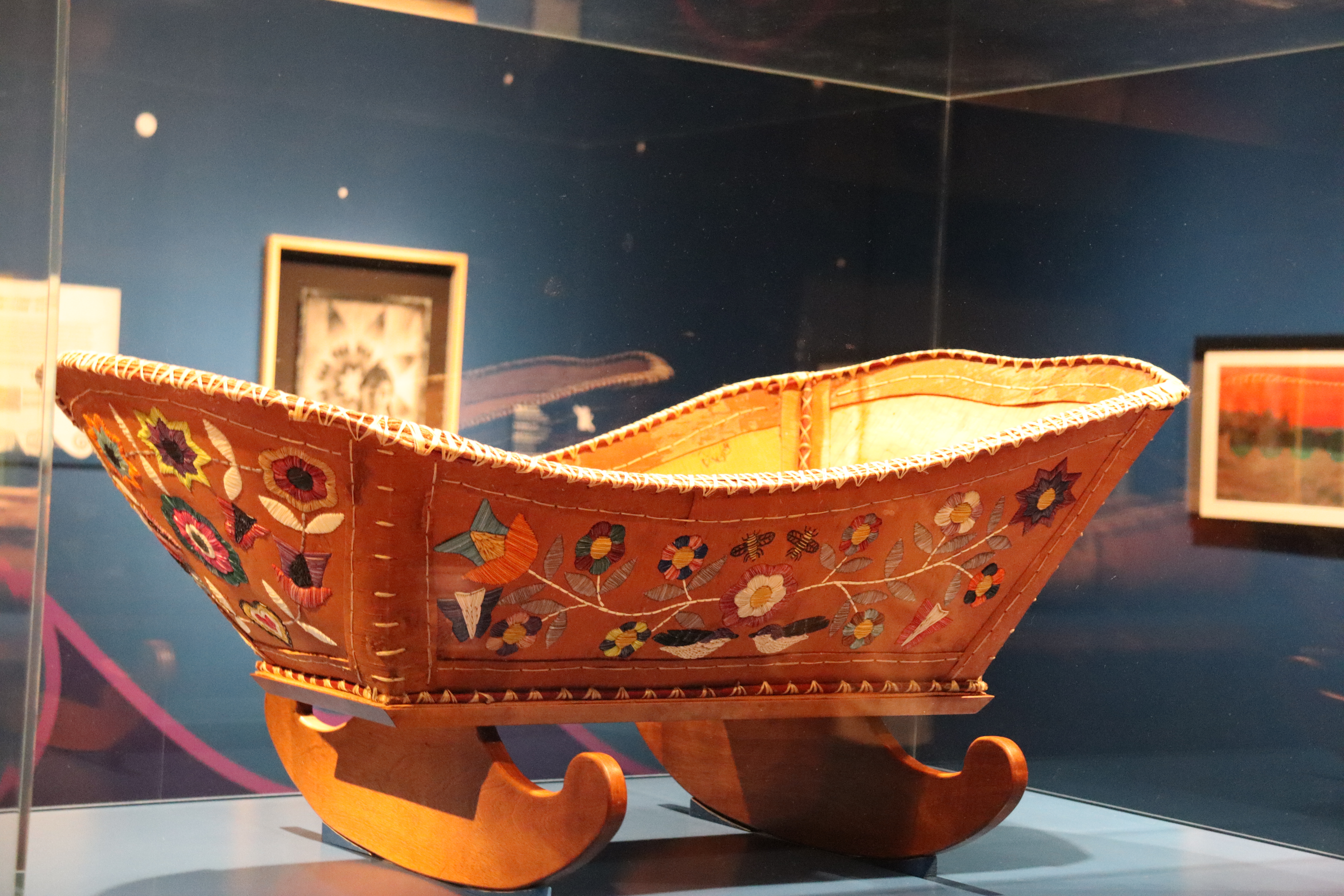
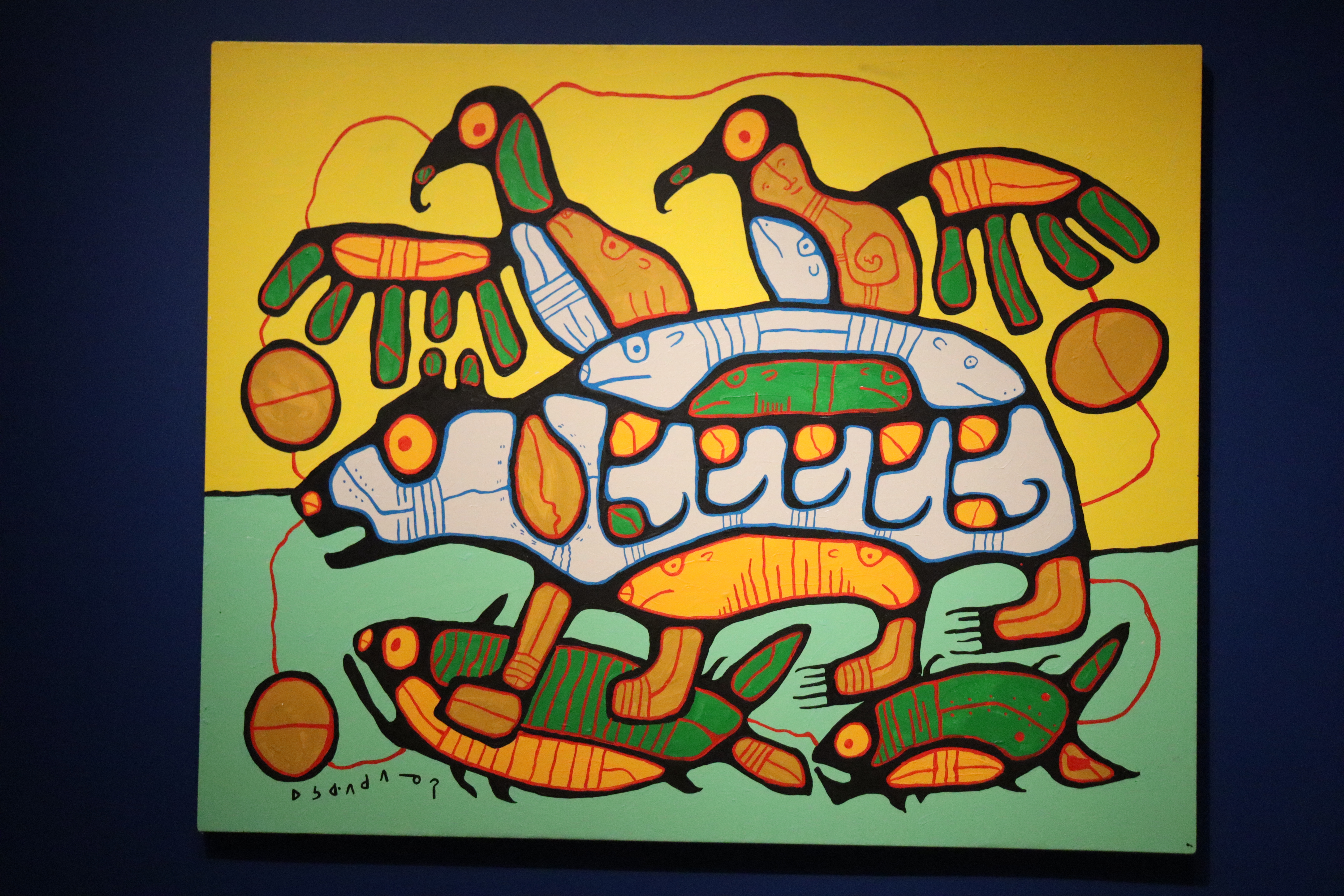
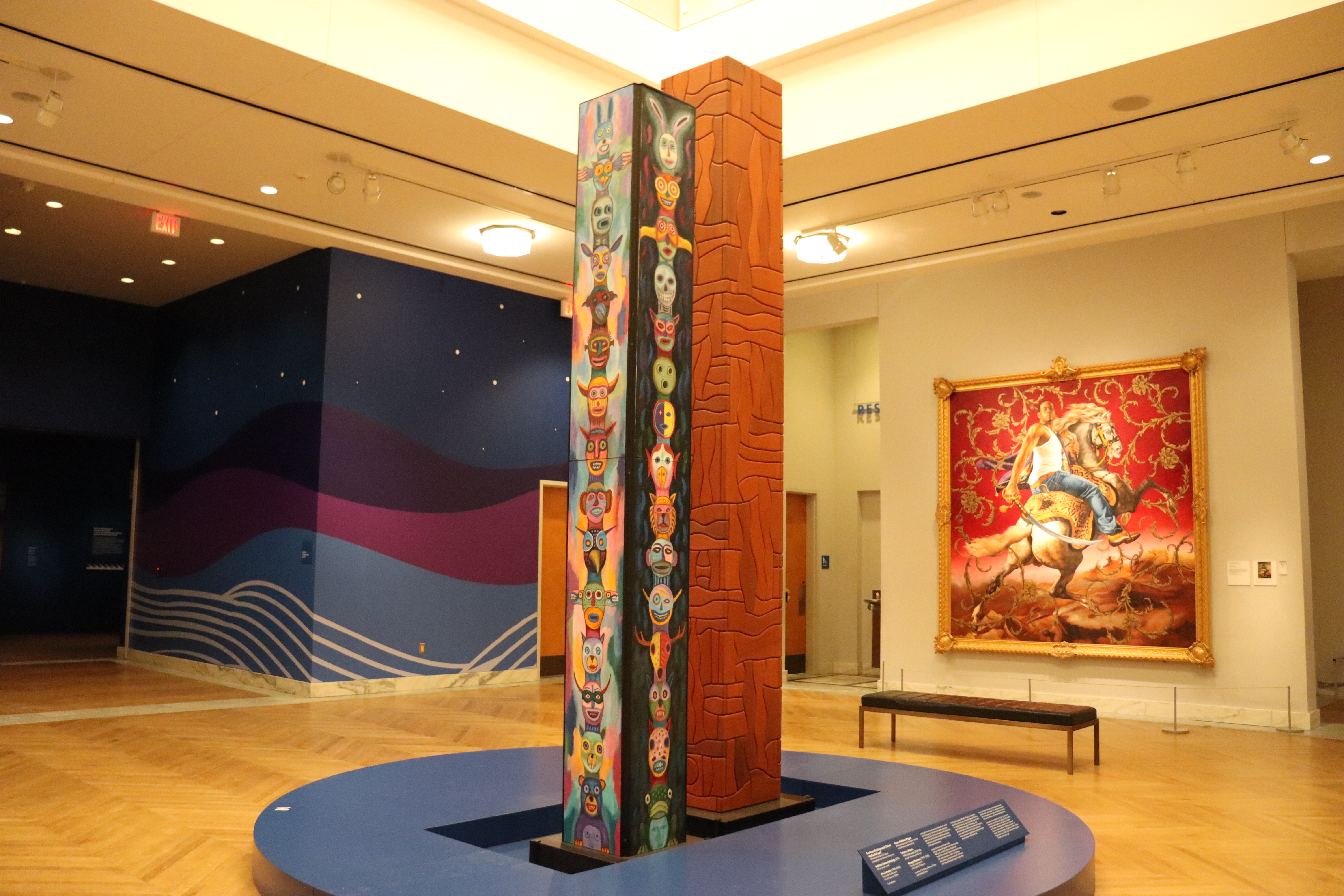
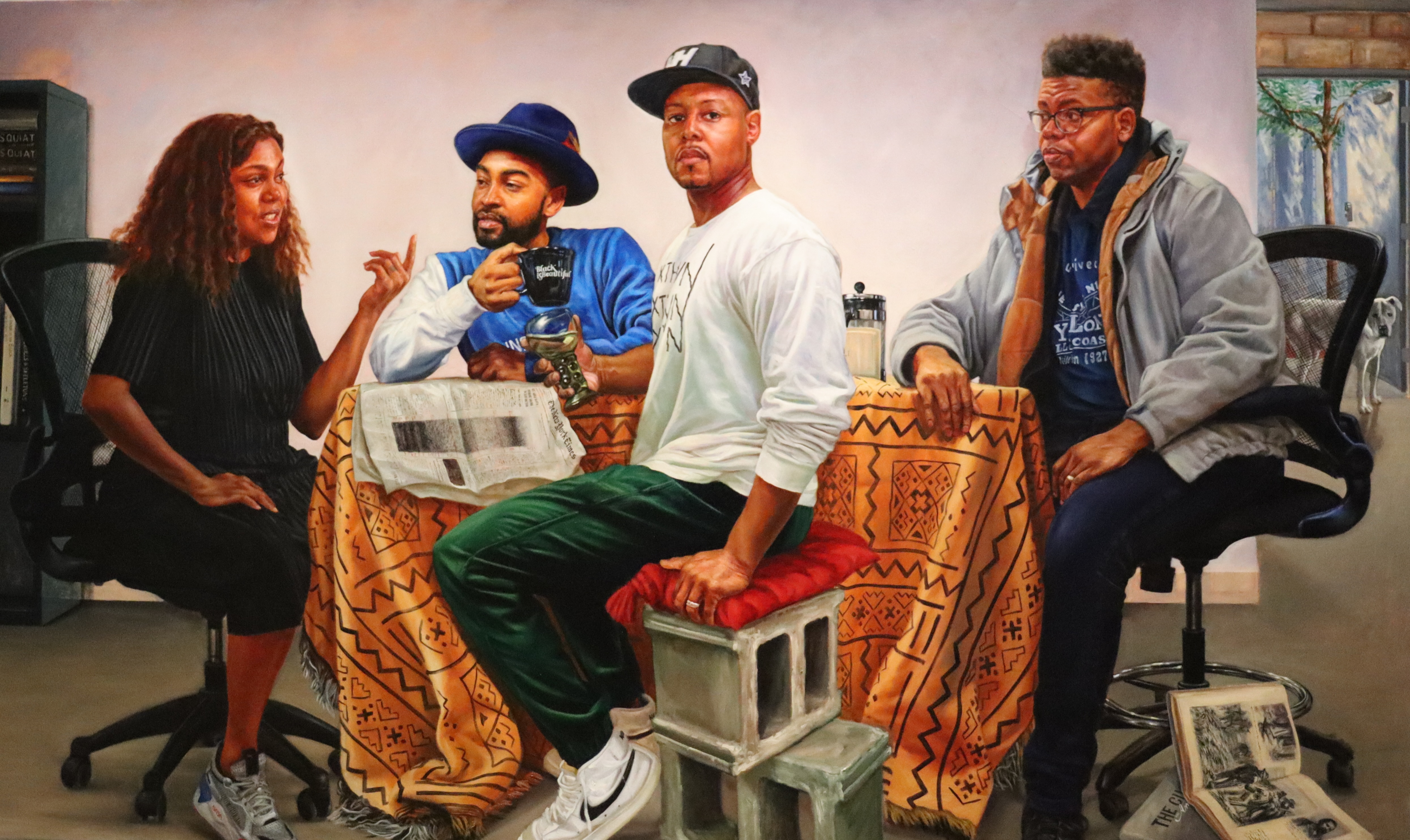
For decades, African American and Native American artists were often left out of the spotlight in the art world. Their work was displayed in hidden corners or mostly treated as history, which made it seem as if their creativity belonged to the past. Many masterpieces went unseen, and countless stories of resilience, innovation, and cultural expression were overlooked.
The latest exhibits at the Detroit Institute of Arts, “Reimagine African American Art” and “Contemporary Anishinaabe Art: A Continuation,” directly bring attention to the modern, living art created by these communities by placing them at the heart of the museum experience.
Although the DIA began collecting African American artwork in 1943, these pieces were often placed in less visible spaces and treated mostly as historical materials rather than as important works of art deserving their own dedicated space. This reflected a broader pattern across the country, where Black artists were frequently excluded from the main narrative of American art. Over time, the DIA worked to change this.
In 2000, the DIA established the Center for African American Art; in 2001, it appointed the first curator in an encyclopedic American museum dedicated specifically to African American art. As DIA Director Salvador Salort-Pons explained in The Detroit News, “What we wanted to do now is to bring the history of African American art to the center of the museum experience and tell it in a way that people could have the historical sequence of it.”
The “Reimagine African American Art” project was created to bring together both long-held favorites and newly acquired works in a space that reflects their importance. For the first time since 2007, the museum’s African American art collection has been placed at the heart of the museum near Rivera Court. The exhibit traces the development of African American art from the 1800s through the 1980s and highlights major movements such as the Harlem Renaissance, Social Realism, the Civil Rights era, and Black Arts Movement.
One piece that stood out to me in the African American galleries was Revolutionary (1972) by Wadsworth Jarrell, a cofounder of the AfriCOBRA collective. The colorful screenprint shows activist and scholar Angela Davis delivering a passionate speech. Jarrell used bold colors and dynamic shapes to capture movement and energy, and he included words taken from Davis’s speeches and interviews throughout the artwork. This turned the portrait into both a visual image and a message about activism and social change. The piece reflects AfriCOBRA’s goal of celebrating African diaspora culture and creating a Black aesthetic that could unite people of African descent everywhere.
Alongside the new African American galleries, the “Contemporary Anishinaabe Art: A Continuation” exhibits were designed to move beyond traditional museum presentations that focus only on indigenous art from the past. Instead, they show how Anishinaabe artists continue to express their culture through modern forms of art, blending tradition with contemporary creativity. Chad Scott, writing for Forbes, describes how the DIA worked directly with Anishinaabe artists and an advisory board to shape the exhibition, quoting artist Kelly Church, who said this approach helped bring forward artists who had “not been seen in the way that they should.”
One Anishinaabe work that caught my attention was My Dad’s Horse (2024) by Monica Jo Rapheal. According to the artist, the piece is inspired by her father’s love for her mother and reflects a deeper family and cultural history. While Anishinaabek people are not traditionally known as horse people, horses became part of their lives after the smallpox pandemic of the 18th century, which killed nearly half of the Anishinaabek population. Relatives from horse nations helped them during this time, and the horses were honored and adorned much like human relatives, with styles influenced by Plains Cree traditions but adapted into a distinct Anishinaabe form. Knowing this background made the piece feel deeply personal, connecting love, loss, and cultural survival in a powerful way.
Visiting both the Reimagine African American Art galleries and the Anishinaabe exhibits showed me how museums can go beyond simply preserving history. By giving these artists a central place, the DIA celebrates not only their past achievements but also their ongoing contributions to contemporary culture.
Spending time observing the artwork closely allowed me to connect more deeply with each piece. By focusing on small details such as color choices, patterns, and facial expressions, I could gain a better understanding of the messages the artists were trying to convey. These details added depth to the artwork and made the stories behind each piece feel alive and authentic.
Each piece tells a story of resilience, identity, and creativity, reminding visitors that African American and Anishinaabe artists are alive, evolving, and essential to the broader narrative of American art. These galleries challenge us to see these communities not as relics of the past, but as vibrant forces shaping the art of today and tomorrow, leaving us moved by the strength, beauty, and enduring spirit of voices that were once too often overlooked.