
Ramadan Nights in Dearborn
Gallery
Dearborn, Michigan, serves as the cultural, political, and social hub for the largest concentrated Muslim Arab American community in the United States. During the holy month of Ramadan, there are 30 days of prayer, reflection, and fasting from sunrise to sunset, making this community identity even more visible than at any other time of the year. While much of suburban Michigan is sound asleep between midnight and 4 a.m., Dearborn becomes a city that “does not sleep,” as residents embrace a nocturnal lifestyle centered around faith and community.
The most prominent feature of this transformation is the practice of suhoor, the pre-dawn meal taken before the daily fast begins. What is typically a private family ritual has blossomed into a public tradition, particularly among young adults and families who flock to local bakeries and businesses for mana’eesh, coffee, and other foods. Local businesses have leaned into this cultural shift. Some bakeries open at midnight, the Dairy Queen on Greenfield remains open until 2 a.m., and many restaurants flip their entire schedules to open only in the evenings and early morning hours.
The city’s official institutions actively support this vibrant atmosphere. The Dearborn City Council frequently passes resolutions to waive regulations on outdoor dining and extend operating hours for brick-and-mortar restaurants, coffee houses, and smoking lounges until 3 a.m. to accommodate late-night gatherings. Additionally, the Dearborn Public Schools system has introduced initiatives to provide free take-home Iftar meals so students can break their fast with their families at home.
Large-scale festivities further define the month in Dearborn. The Ramadan Suhoor Festival, often held at Fairlane Town Center, has grown into the largest Ramadan festival in North America, attracting tens of thousands of visitors with international food trucks and artisanal vendors. A newer initiative, the Ramadan Village at the Canteen at Midtown, continues this trend by offering over 50 food trucks and shopping areas for West Asian and North African goods. Even the city’s residential streets participate in the spirit through the Ramadan Lights Challenge, where homeowners decorate their houses with festive displays, creating a visual celebration of the community’s presence in Western culture.
This month-long celebration is not limited to the Muslim community. Non-Muslim residents and visitors are increasingly drawn to the city’s lively markets and festivals, often participating in our Ramadan Nights at local businesses or joining community Iftars out of curiosity and respect. Through this blend of religious devotion and civic support, Ramadan in Dearborn has become a safe, inclusive, and joyous celebration that bridges diverse backgrounds and strengthens the community.
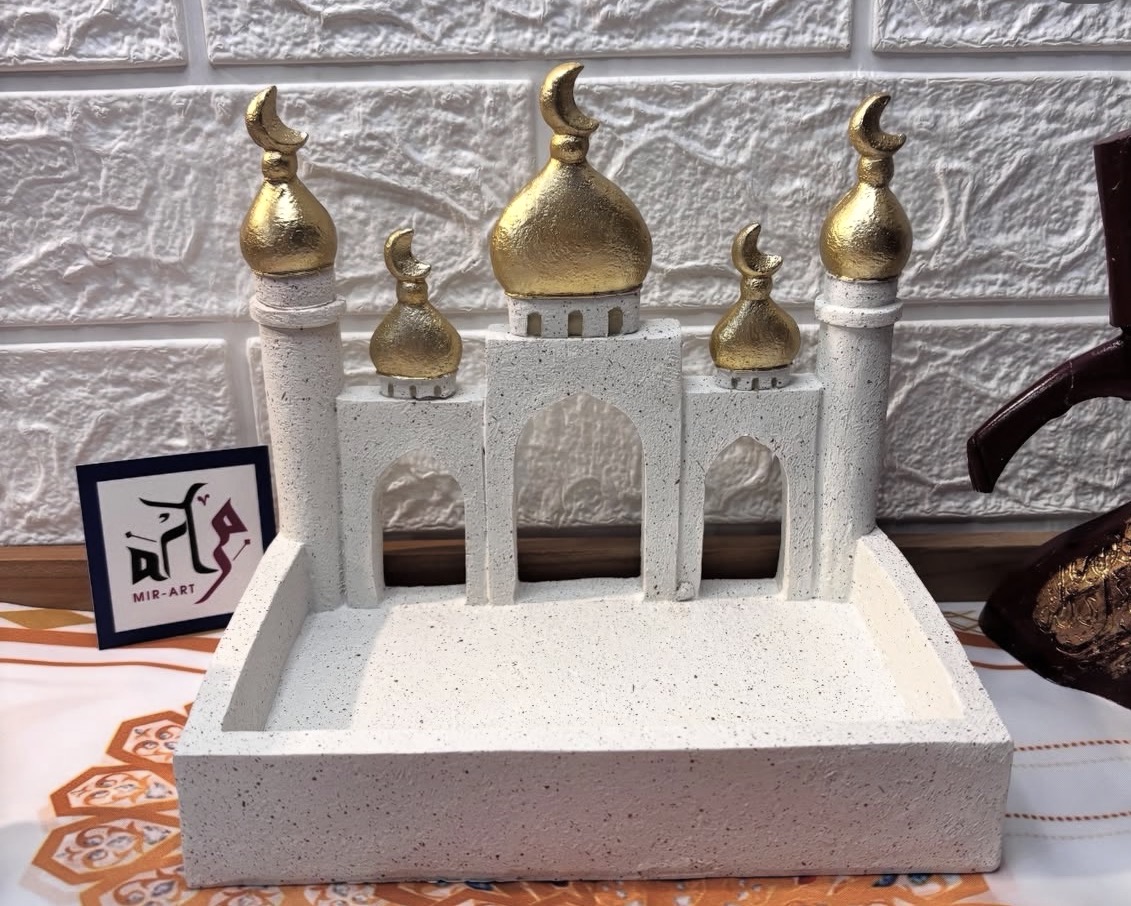
For Dearborn business owners, Dearborn is one of the best places in which to spend the Holy month of Ramadan. “Dearborn during Ramadan nights is vibrant, welcoming, and deeply communal. Families gather for iftar and local businesses welcome all the visitors, creating a sense of togetherness while shopping, socializing, and celebrating faith and culture well into the night,” says Marwa Moussa, founder of MirArt Creative Design LLC. Marwa is a Lebanese senior Graphic Designer who came from an Arab background and has been proudly rooted in the Dearborn community for seven years.
MirArt Creative Design is a boutique brand specializing in personalized gifts, Ramadan décor, prayer mats, and custom celebration pieces. Moussa says, “This business began from a passion for creating meaningful, faith-inspired items that help families celebrate special moments with beauty and intention.” She describes Ramadan as the busiest and the most meaningful season: “Our goal each year is to help families create warm, spiritually uplifting spaces and traditions during Ramadan.”
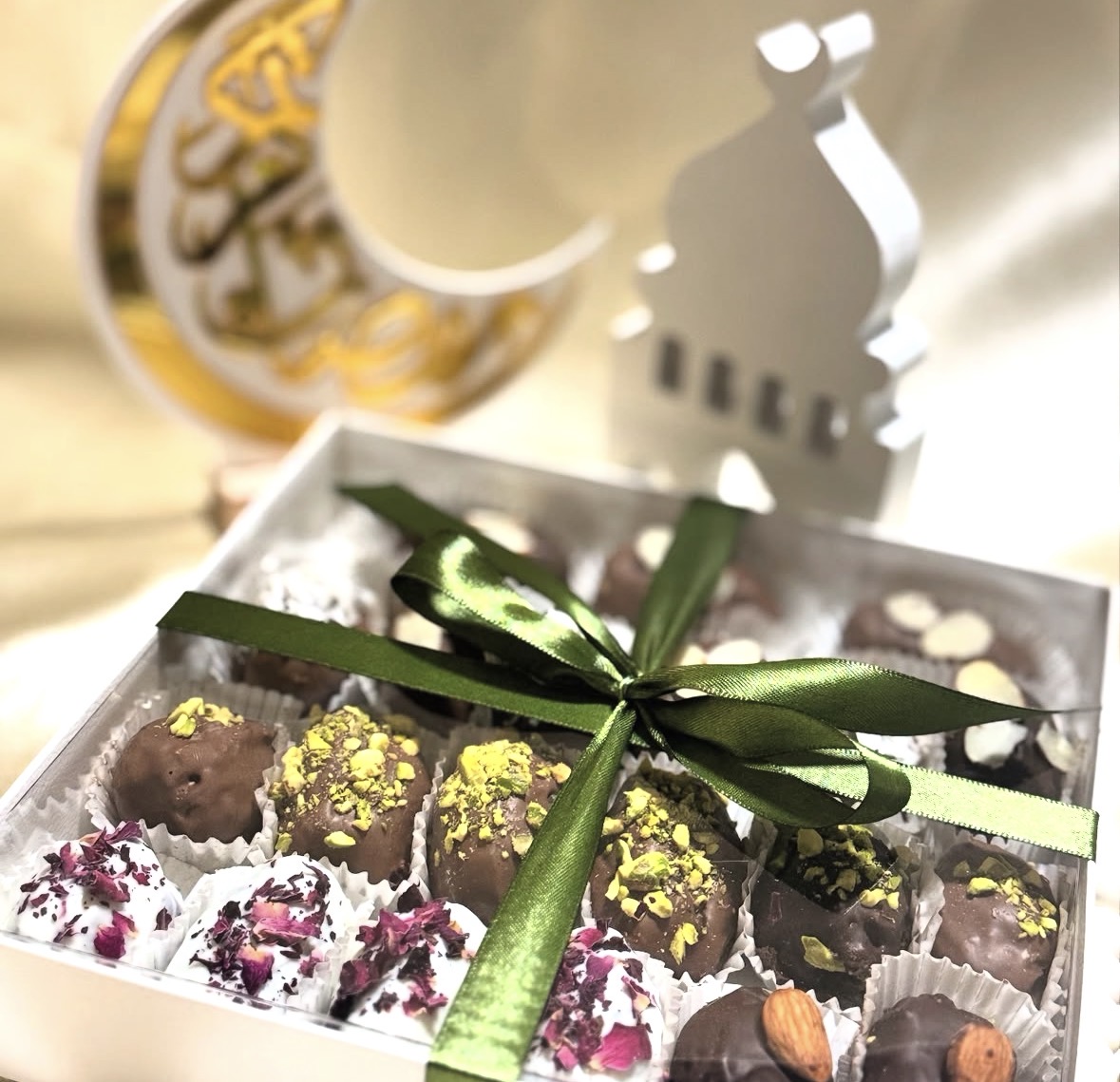
Similarly, Batoul Daher, a Lebanese American who moved to Lebanon in 2017 and returned in 2024, is the founder of Dáte Atelier, a home-based business that sells delicious chocolate-stuffed dates. Daher recalls, “The idea popped in my head the first half of Ramadan 2025. It was all unplanned, and I just bought the ingredients and started the business.” She shares that Dearborn in Ramadan is truly beautiful and heartwarming, “When I read Dearborn night culture, my brain automatically went to a table filled with desserts and coffee,” and “Ramadan nights consist of family and friends gatherings where there’s always a variety of desserts in every gathering, especially in Dearborn.”
For the residents of Dearborn, the month of Ramadan is a time for friends and family to spend time together, regardless of being Muslim “Nothing makes me smile more than seeing everyone in our community, despite all our differences, come together during this holy month,” says Haneen Yahfoufi, a University of Michigan student, “Going out to eat for Iftar dinner is quite common and most restaurants will even provide dates to break your fast with.”
And some prefer to break their fast at home with family and then go to a cafe with their friends for coffee and snacks. “I like to drive around West Dearborn at night with my friends, grab a drink, and walk around enjoying the atmosphere,” said Yahfoufi. Cafes also provide a calmer and casual environment for people to hang out after a long day of fasting.
The annual Suhoor Festival is also popular for its lively atmosphere and the variety of food offered. “If you love doing stuff at night, like hanging out with friends and having delicious food, then you would like Dearborn,” said Fatima Mohammed, a University of Michigan student.
Ramadan in Dearborn is truly unique in that it is not limited to a small part of the population, but the whole community. It is a time for people to put aside their differences and come together; Dearborn during Ramadan is a place where everyone has a seat at the table.