

The Neurobiology of Addiction: How the Brain Becomes Dependent
Gallery
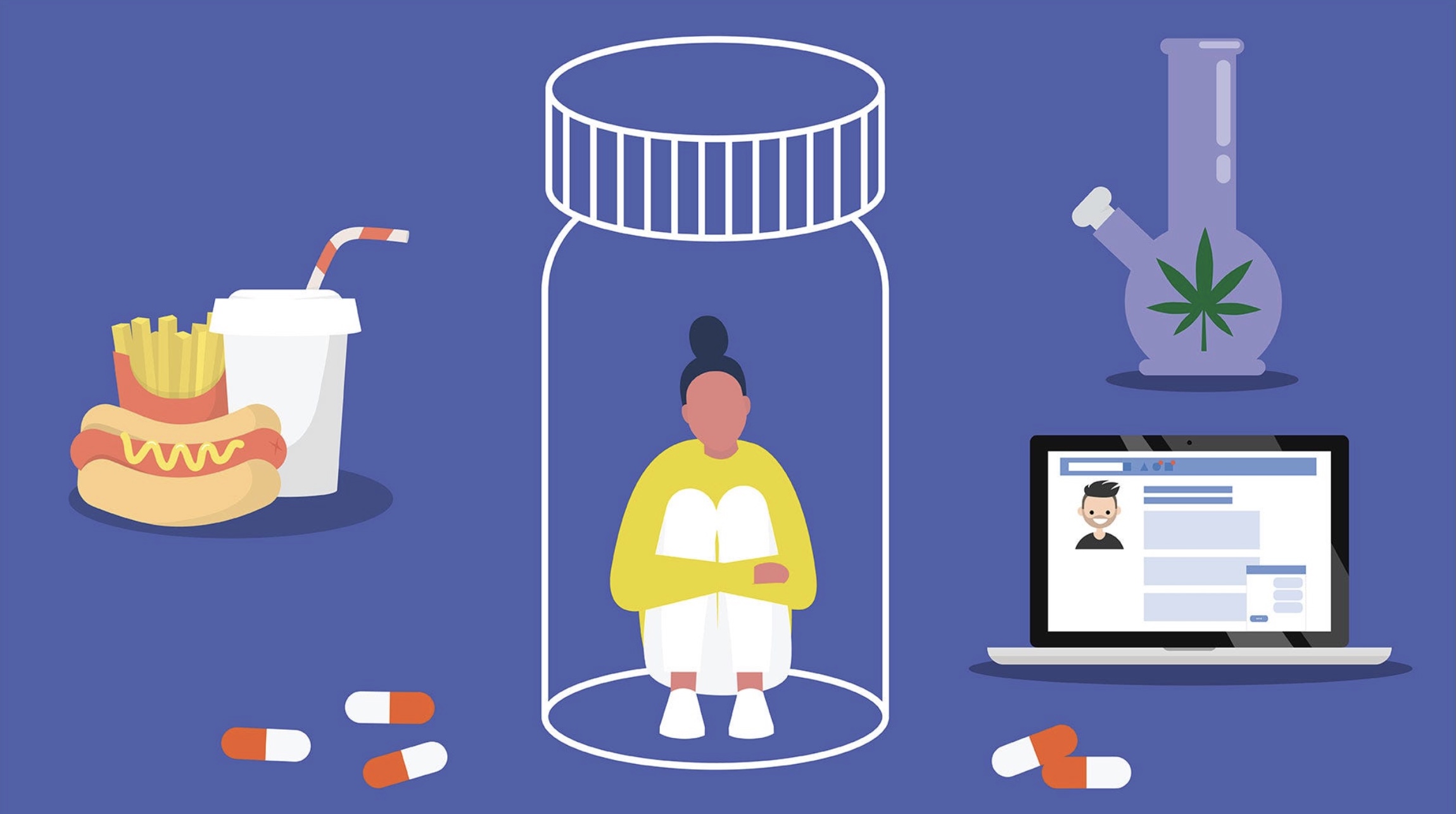
According to the National Institute on Drug Abuse, 1 in 20 people, over 14 million Americans, report misusing prescription drugs annually. At Henry Ford College, Honors student and Editor in Chief of The Mirror News, Alex Gray, shares how one can never truly be cured of addiction.
Gray, who is a recovered addict, describes how their own addiction felt “like this 24/7 thing” and that “even after you’re sober, any sort of distress, or high distress at this point, will make me mentally want” to go back to the drug.
Gray observes that recovery “is not like you’re cured forever, you know?”
To clarify, Gray says, “I see this where recovering alcoholics will be at a party, and they’re like, ‘Oh, you’re recovered. Why don’t you just drink?’ It’s not like you’re cured of this crazy illness that’ll never come back. Little things will make you relapse.”
Gray goes on, “I had multiple moments where, like, I’m not doing this anymore, and then something would happen and relapse with it, so it’s never completely going away.”
Gray stresses that addiction will “always be present in your mind and in your body.”
Addiction has three known stages. It begins with the pleasant experience and pleasure left on the brain, which is“binge/intoxication,” and the user may not be aware that they are starting to become addicted. The release of dopamine and pleasure collide and form a connection. When A to B happens, the brain stores the memory and gets used to it.
The second stage is “withdrawal,” because the brain has now become dependent and reliant on the substance, so when the substance now wears off in the brain, the individual consuming it would be left with an unpleasant and uncomfortable feeling. Since the brain has become heavily dependent on the substance, it makes the process of quitting it harder. The intense cravings don’t stop and are common. The body begins to experience intense physical and psychological distress, flu-like symptoms, cardiovascular and neurological issues, mood imbalance, cognitive impairment and sleep disruptions.
The last stage is “preoccupation/anticipation.” At this stage, an individual is followed by intense cravings as mentioned earlier, obsessive thinking, where the individual obsesses on how to obtain the substance and planning for its next use. This directly impairs the prefrontal cortex, which is responsible for decision-making. Stopping the behavior now becomes even harder; the addiction hijacks the prefrontal cortex and weakens its control. This leads the individual to face symptoms like loss of control, poor decision making, and the individual may begin to justify the action for themselves and consume it compulsively, while knowing it causes outright harm.
While the prefrontal cortex is most affected by this process, the basal ganglia, which are involved in the process of emotions and motivation, are also affected. Substances that an individual finds addictive may trigger intense dopamine surges in the brain’s reward system. This part of the brain begins to adapt over time to the substance being used, making normal tasks harder and limiting the feeling of euphoria to the direct use of this substance. Activities that once provided pleasure without the drug, such as hanging out with friends or having a treat meal, won’t be the same; the cravings for the drug intensify and won’t allow you to feel pleasure until the substance is used. Once the addiction reaches the extended amygdala, which is responsible for the processing of emotions like anxiety or depression, the brain seeks the use of the substance for relief of negative, irritable emotions. During the “withdrawal” stage, this part of the brain becomes more active while the basal ganglia decrease in function. Neurotransmitters responsible for stress, such as corticotropin-releasing factor (CRF), increase in function. The “claustrophobic-side” of addiction begins to intensify here. The constant feeling of discomfort when not using the substance, sudden stress and pain are all factors that drive individuals to consume the substance again, not to feel “high” but just to feel at ease. With many repeated cycles, the amygdala becomes more sensitive, resulting in withdrawal symptoms worsening over time.
A common factor that can contribute to addiction is the use of drugs as a coping strategy. Gray describes how they turned to prescription drugs to deal with personal trauma. Gray said, “I didn’t have a very supportive family. They’re very negligent. I have a lot of addiction in my family, and since that was such an emotionally negligent environment, on top of childhood sexual abuse and struggling with self-esteem, like being the black sheep. It’s that led me to numbing out pain via, you know, substance.”
Many years of dependence on painkillers left Alex with what they described as being “agoraphobic.” Being socially withdrawn, they used prescription-grade acetaminophen to make the experience of going out a bit more relieving.
One organization that is working to address addiction and promote overdose prevention is the AmeriCorps Community Training (ACT) program. The overdose rescue training sessions take about 45-60 minutes and are free for community members or students to participate in. In these training sessions, community members are taught the correct procedures to actively and safely respond to an emergency. Participants also learn how to recognize signs of opioid overuse and how to administer Narcan. They learn about the opioid crisis and receive free overdose response kits that contain Narcan and Fentanyl test strips.
Beyond the training, the ACT program also offers a paid service learning opportunity where they can train community members on how to recognize and respond to an opioid related overdose situation. As students learn, they get to educate others, expand accessibility within the metro Detroit area and gain experience in community outreach. ACT members will receive professional development, a living stipend and an educational award.
ACT is currently recruiting for the Spring 2026 cohort, which will begin serving on April 27 and end on Nov. 8. Applications will be accepted until March 22. Interested students or community members are recommended to apply at: https://www.stopoverdosedeaths.org/join-our-team.
To sign up for a public training or to host a private training, visit the website at: https://www.stopoverdosedeaths.org/training.