
History of Islamic Schools in Metro Detroit
Gallery
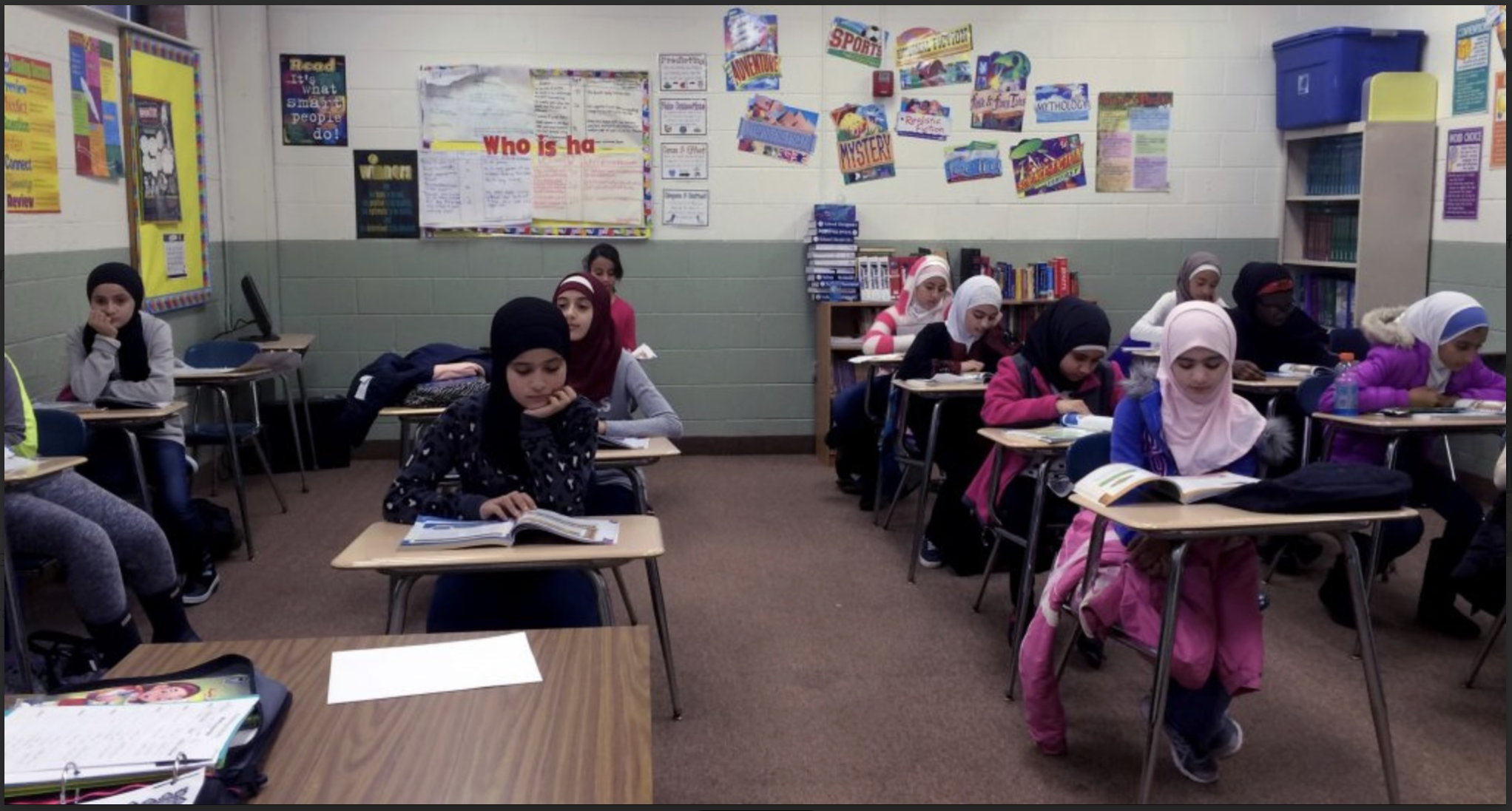
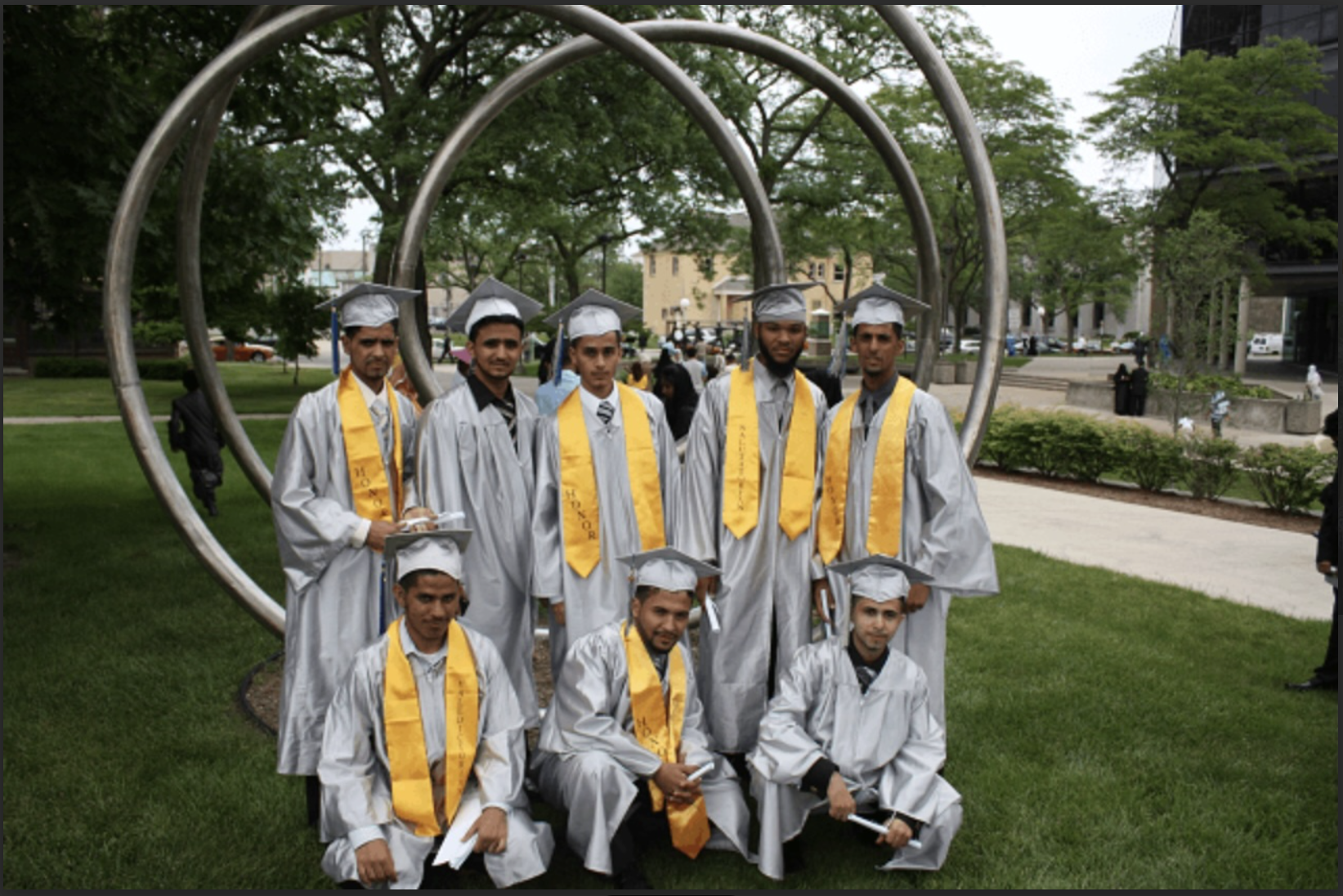
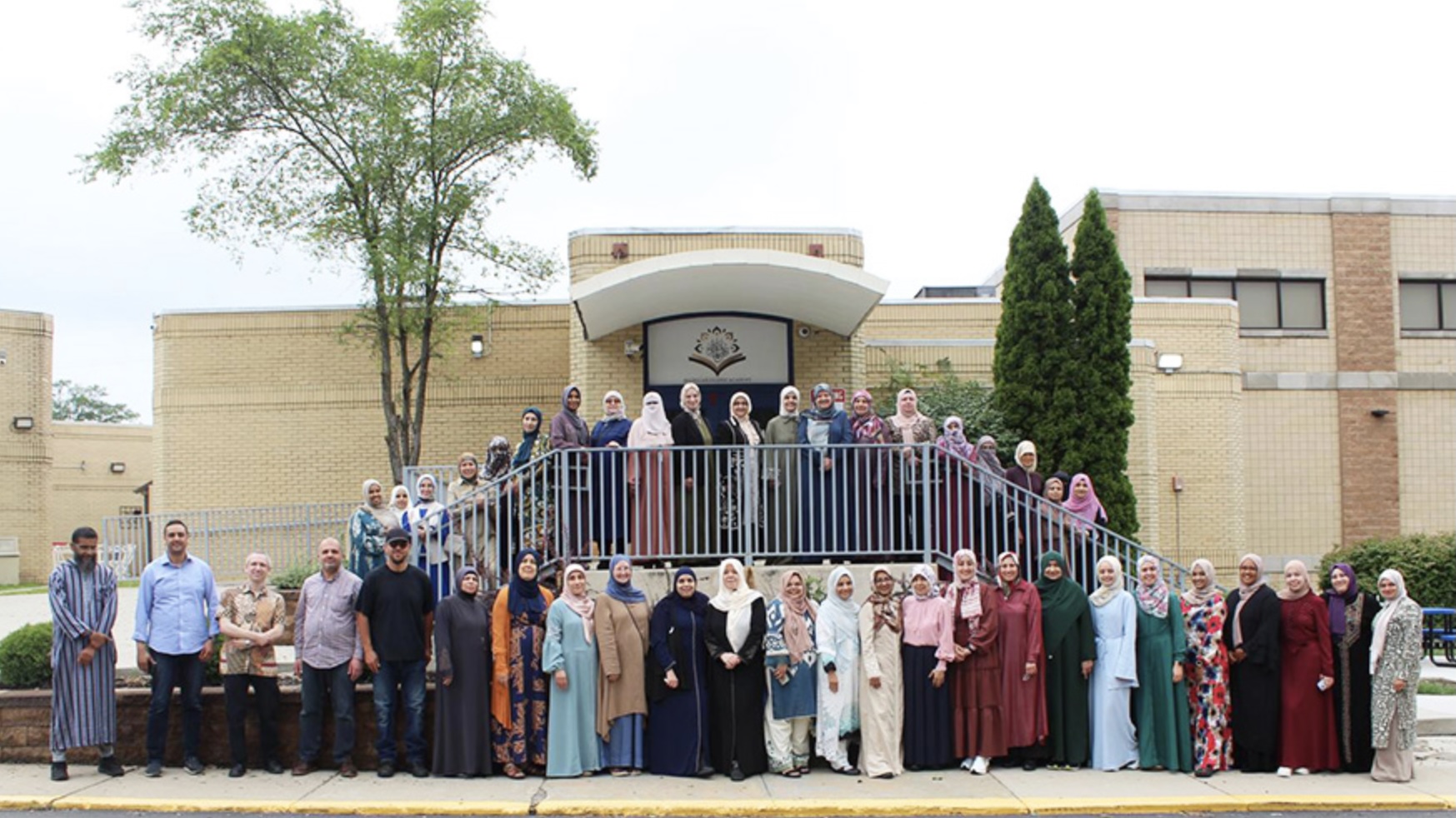
Michigan is widely known to be home to over three hundred thousand Muslims originating from a myriad of racial roots. As a result of the dense number of Muslims in Michigan, particularly in Metro Detroit, the number of Islamic institutions such as mosques, schools, and community centers continues to grow incredibly high in number, ranging from 140 to 1780+. The beginning of Islamic institutions has long since been forgotten.
During the 1930s, the first Islamic school opened in Detroit. The University of Islam had a central focus on empowering African Americans. It advocated for the civil rights movement and for the right of African American Muslims to receive an education. The University of Islam was opened as part of a national branch of schools under Sister Clara Muhammad, the wife of Elijah Muhammad, the leader of the Nation of Islam. The schools honed a focus on religious and academic education, offering a sanctuary for eager students who wanted an education away from racial discrimination. However, after the death of Elijah Muhammad, the Nation of Islam split, with many African American Muslims choosing to follow the original Sunni religion of Islam and establishing their knowledge of the Quran and Sunnah.
The break occurred under Wairth Deen Muhammad, the son of Elijah Muhammad, and the Nation of Islam was renamed the American Society of Muslims. Following the end of the Nation of Islam, the branch of Sister Clara Muhammad followed suit, closing most of their original locations with minimal physical remnants of the schools.
Among the remaining Clara Muhammad institutions were Al Ikhlaas Training Academy and M.M Rose School, the latter of which is now closed and abandoned. While the Sister Clara Muhammad schools have been closed or renamed, the Sister Clara Muhammad Memorial Education Foundation continues to provide financial support to African American students in need.
The Clara Muhammad School Foundation played a crucial part in the earliest stages of the civil rights movement and the pursuit to empower African American education in the 1960s, as well as ongoing Afrocentric movements now.
In the early 1900s, the number of Arabs in Metro Detroit grew significantly due to industrial jobs at the Henry Ford Highland Park Plant and the Five Dollar Day pay program, introduced in 1914. This opportunity attracted thousands of immigrants from various parts of the world. The increase in job opportunities during this time led to making Metro Detroit appealing internationally and attracted thousands of job-seeking immigrants. This attracted immigrants from Lebanon, Syria, and the Ottoman Empire.
By 1921, the population of Metro Detroit had grown incredibly diverse, prompting the establishment of the first U.S. mosque in Highland Park. It was not long before immigrants from Iraq and Yemen began arriving. As people migrated here, they established deep roots in Metro Detroit, not only as employees but also by building communities for Muslims and Arabs in places such as Dearborn and Hamtramck. As time went on, waves of Muslims migrated to Metro Detroit from outside of the Arab world, including countries such as Bangladesh. Muslims in the Metro Detroit area expanded to the point that their communities opened restaurants, mosques, and schools.
Dearborn has become notoriously infamous for its large population of Arabs and Muslims. resulting in Dearborn having a significant number of Islamic institutions, including mosques and schools. A large portion of the Muslims in Dearborn are Shia. This makes Metro Detroit unique compared to the rest of the United States in having such a large number of Muslim communities living side by side in harmony.
Most, if not all, of these institutions and schools offer religious studies. For Muslims, institutions such as the International Islamic Academy, Al-Huda Islamic Association, and AMS Quran School integrate Quranic studies, Arabic language, and Islamic values. In neighboring Dearborn Heights, schools like WISE Academy, Tawheed Center School, and Dreamy Islamic Academy similarly blend college-preparatory education with strong religious foundations.
While Dearborn holds the unique reputation for having a large number of Arab Muslims, Canton, Michigan, is another city that is quickly growing its Muslim population. The South Asian community of Canton established MCWS and Crescent Academy in 1977. These institutions came to life at the hands of Muslim South Asian immigrant parents who were concerned for the preservation of culture and religion for their children. While it began with these two institutions, the Canton community later expanded. They opened institutions such as the Canton Islamic Center and the Muslim Educational Community Center of America.
Hamtramck is another city in metro Detroit with a growing population of Muslims ranging from Bengalis to Yemenis to Bosnians. Schools such as Al-Ikhlaas and community centers like Al-Islah Islamic Center provide strong academic programs alongside religious instruction, ensuring students can thrive without sacrificing their cultural identity. In Ann Arbor, the establishment of Michigan Islamic Academy in 1985 marked the first K–12 Islamic school in the state.
Alongside academic initiatives such as the Islamic Studies Initiative, these institutions reinforce the importance of faith-based education within a broader academic environment.