

Sleep Deprivation Is Costing Lives
Gallery
For many students, running on four to five hours of sleep has become the norm.
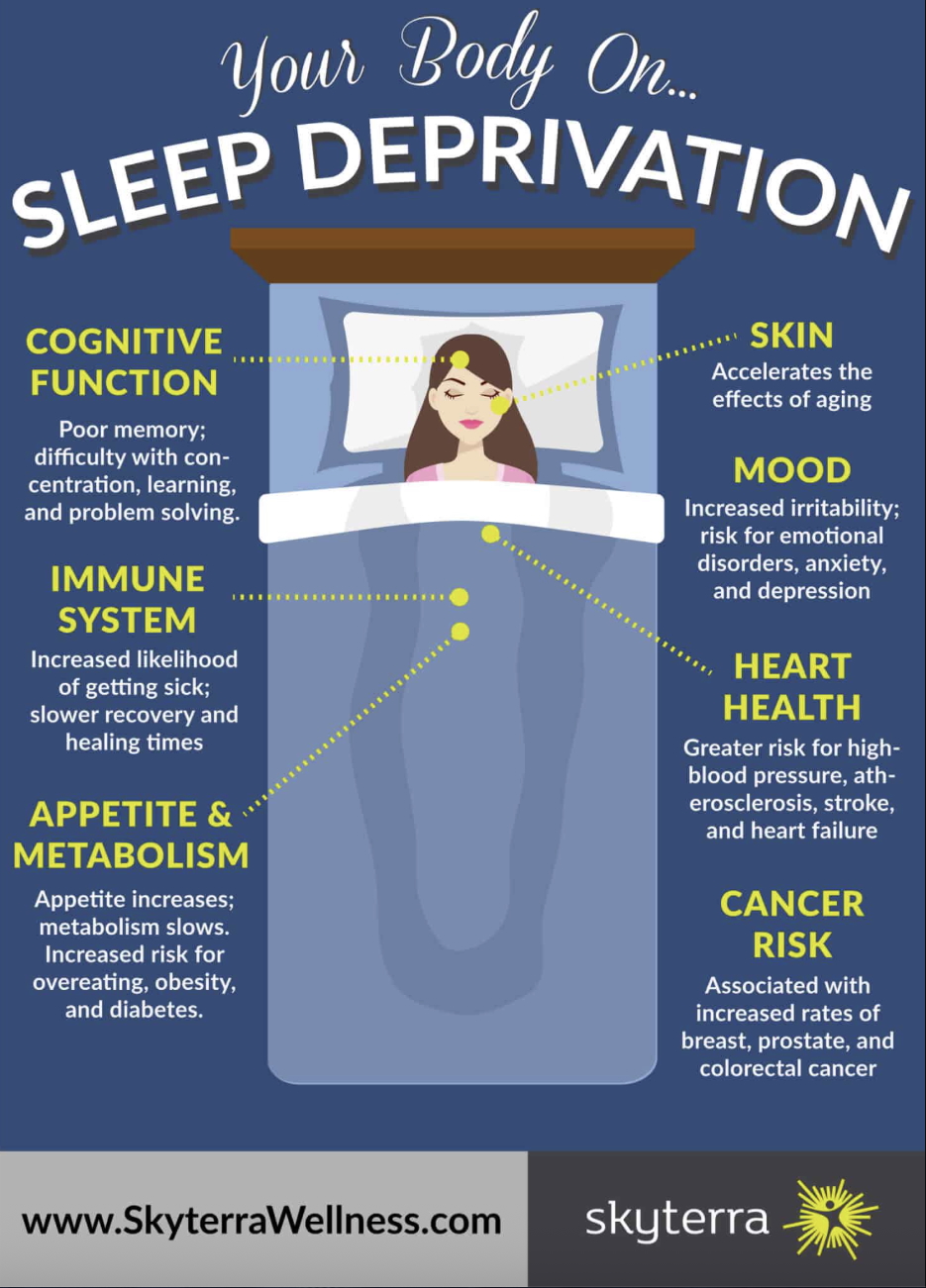
Published in 2017, “Why We Sleep: The New Science of Sleep and Dreams” by Matthew Walker, PhD, a British scientist and professor of neuroscience and psychology at the University of California, Berkeley, reflects more than 20 years of research. Walker concludes that sleep is essential, not optional. Even a single night of poor sleep can affect memory, focus, and emotional balance, while consistently getting less than six hours increases the risk of serious problems like depression, weakening immunity, and heart disease.
In a 2006 study, participants were asked to memorize a list of words. Those who got a full night’s sleep remembered far more than those who stayed awake, showing just how crucial sleep is for memory and learning.
During sleep, especially in a stage called REM (rapid eye movement), the brain is very active, almost as active as when we are awake. This stage is critical for processing and consolidating information learned during the day, integrating it into long-term memory. REM sleep is also when most dreaming occurs. Walker explains that dreaming is not a collection of random images, but a meaningful biological process that plays a key role in emotional regulation and stress management.
Walker describes dreaming as a form of emotional recalibration. During REM sleep, the brain revisits emotional experiences from the day while levels of the stress-related chemical norepinephrine are significantly reduced. This allows individuals to reflect on difficult or painful events without becoming emotionally overwhelmed. Over time, this process softens emotional reactions, strengthens resilience, and helps people cope more effectively with stress.
When REM is disrupted, this emotional processing remains incomplete. As a result, emotional wounds can stay raw, making it harder to manage stress and emotional challenges. This helps explain why individuals with post-traumatic stress disorder (PTSD) often experience fragmented sleep and recurring nightmares–their brain struggles to properly process traumatic memories. Rather than being meaningless or disturbing, dreams function as psychological maintenance, allowing the brain to heal and restore emotional balance.
In addition, sleep does more than store memories; it reshapes them. Walker explains that during REM sleep, the brain makes unusual connections between ideas, which boosts creativity and problem-solving. This is why people often wake up with sudden insights or solutions they could not see the night before. In contrast, sleep deprivation traps the brain in rigid thinking. For students, artists, scientists, and writers, sacrificing sleep may reduce originality rather than increase productivity.
Sleep also strengthens the immune system, increasing the production of infection-fighting cells and proteins that help the body defend against illness. It supports tissue repair, regulates hormone levels such as cortisol, and contributes to overall physiological health. Chronic sleep deprivation (regularly getting too little sleep) can be serious for the heart and blood vessels. When we don’t get enough sleep, the body produces more stress hormones–like cortisol–which raise blood pressure. Over time, this can damage the heart and arteries, increasing the risk of heart attacks and strokes. Studies also show that people who consistently sleep less than six hours a night are more likely to die earlier than those who get enough rest.
A natural biological clock, called the circadian rhythm, controls our sleep and tells our bodies when to feel awake and when to feel sleepy over roughly 24 hours. This clock is managed by a part of the brain called the suprachiasmatic nucleus, which responds to light and darkness. In the evening, the brain produces melatonin, a hormone that signals it’s time to sleep, while levels of cortisol drop. In the morning, light suppresses melatonin and increases cortisol, helping us wake up and feel alert.
Walker explains that when this rhythm is disrupted by staying up late, using screens at night, or traveling across time zones, sleep quality suffers, memory and learning are impaired, and mood can worsen. Following our natural biological clock is just as important as the total amount of sleep, because it ensures our bodies and brains get the restorative benefits we need.
One major consequence Walker emphasized is how sleep loss destroys judgment. When we are sleep-deprived, the brain’s reward center becomes overly active, while the rational decision-making areas weaken. This leads to riskier choices, poor impulse control, and overconfidence. Studies show that tired people are more likely to gamble, take unsafe risks, and misjudge consequences. In real life, this translates into increased car accidents, medical errors, and workplace mistakes. Driving while sleep-deprived can be as dangerous as driving drunk, yet it is socially accepted.
Walker argues that society underestimates how many disasters, both small and catastrophic, are fueled by a lack of sleep rather than a lack of skill or intelligence. Walker criticizes the cultural obsession with busyness. In many environments, especially academic and professional ones, being exhausted is treated like a sign of ambition. In reality, chronic sleep loss lowers performance, increases mistakes, and shortens lifespan.
Research consistently shows that well-rested individuals outperform sleep-deprived ones in nearly every cognitive task. The belief that successful people sleep less is not supported by science; it is a myth that comes at the cost of people’s health. Walker argues that true productivity is built on rest, not exhaustion.
Sleep is not a luxury; it is a biological necessity that supports our brains, bodies, and well-being. From memory and creativity to emotional resilience, decision-making, and long-term health, the consequences of skimping on sleep are profound.
As Walker emphasizes, the solution is simple yet often ignored: prioritize rest, follow your natural rhythm, and stop glorifying exhaustion. In a world that prizes busyness, reclaiming sleep is not just a choice; it is one of the most important decisions we can make for our health, our future, and the life we truly want to live.