

Dr. Martin Luther King, Jr.: A Revolution Reduced To A Quote
Gallery
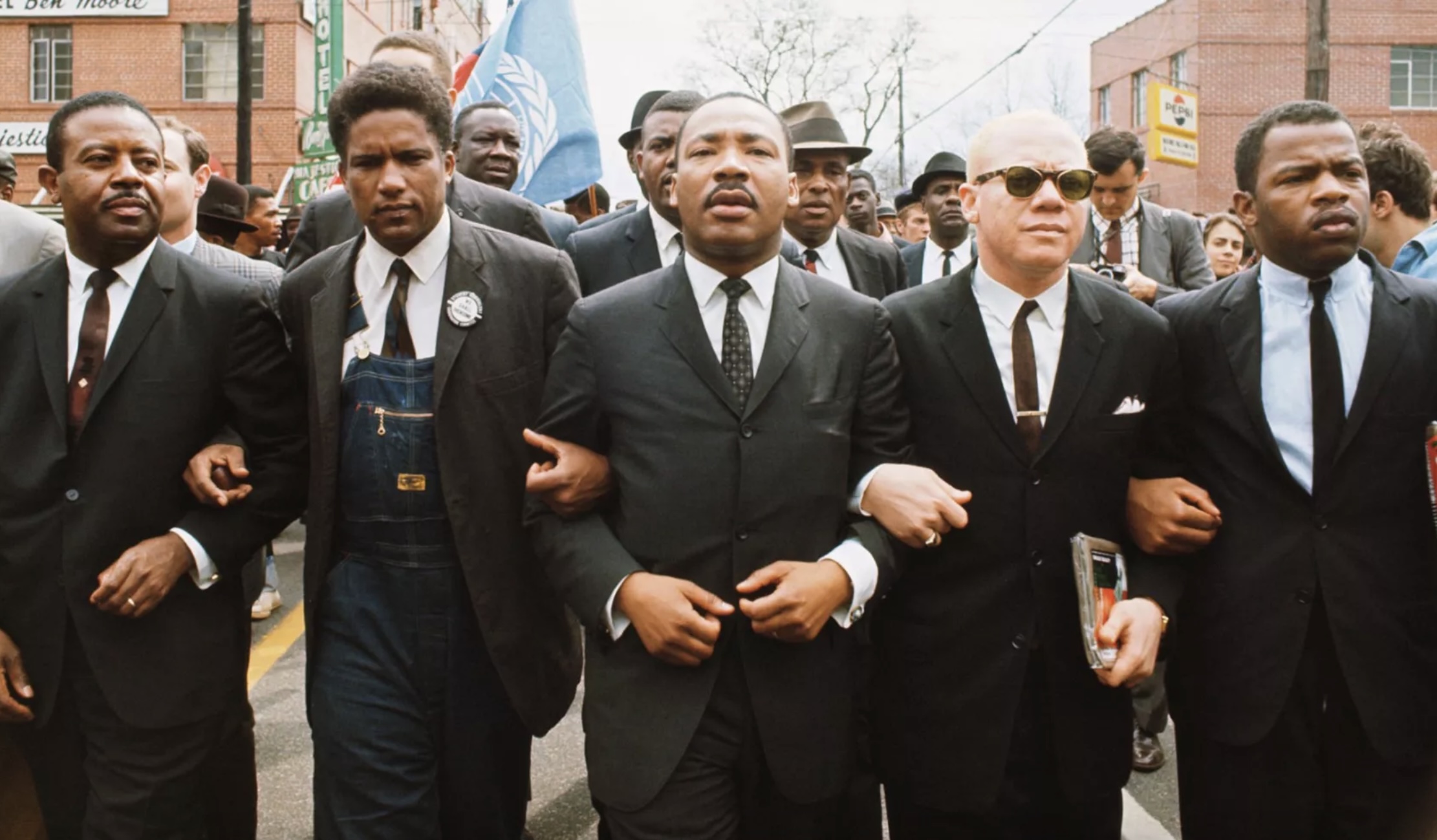
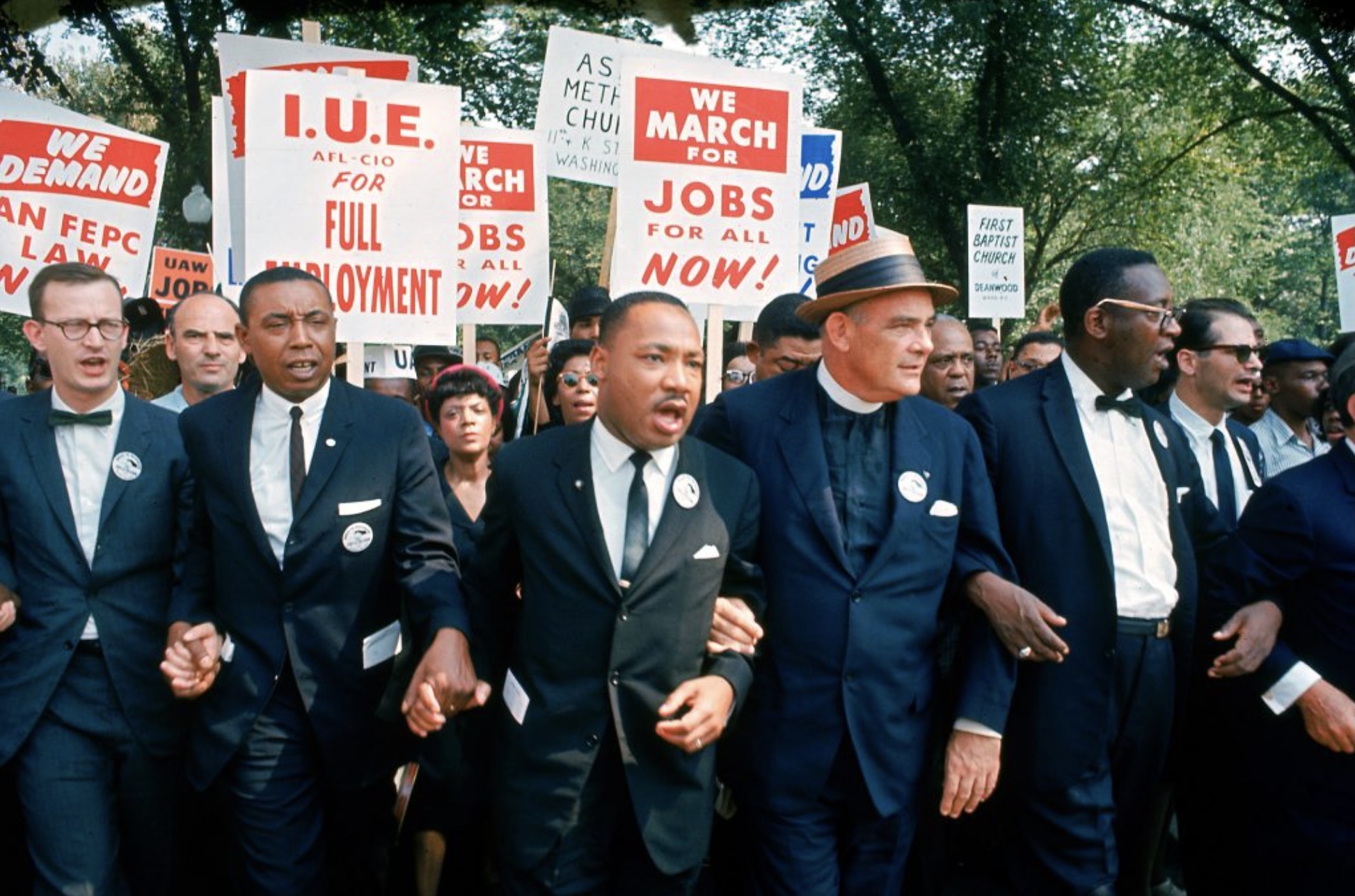
On the third Monday of January, Americans engage in a routine of remembrance for a revolutionary King that often feels more like a burial than a celebration. While well-meaning people share palatable snippets of his 1963 “I Have a Dream” speech, the historical reality is that Dr. Martin Luther King, Jr. has been systemically white-washed to fit a non-threatening narrative of racial harmony. This commercialization of Dr. King ignores the agitating figure he became in his final years: a radical who was once one of the most hated men in America, holding a 75% disapproval rating at the time of his assassination.
The myth of passive nonviolence is dangerous. In current discourse, Dr. King’s nonviolence is often misappropriated as a mandate for “civility” and “getting along.” However, as James A. Colaico, an infamous biographer of Dr. Martin Luther King Jr., said, Dr. Martin Luther King was an “apostle of militant nonviolence.” He used it not as a plea for peace, but as a forceful weapon to paralyze oppressive systems. As he once said in 1968, “nonviolent protest must now mature to a new level … this higher level is mass civil disobedience.”
To Dr. King, nonviolence did not mean peaceful in the sense of avoiding conflict; it was a method of creating tension to force negotiation. As many scholars, such as Mark Engler and Paul Engler, Wornie Reed, David Chappell, and others noted, Dr. King was not a “peacemaker” in the traditional sense; he went to prison nearly 30 times, believing that “peace is not the absence of tension but the presence of justice.”
Contrary to the “law and order” rhetoric often used to silence modern activists, Dr. King was a loyal advocate of civil disobedience. He famously asserted that “one has a moral responsibility to disobey unjust laws.” His later work, particularly during the Chicago Freedom Movement and the Poor People’s Campaign, moved beyond Southern legal rights to demand human rights, including a guaranteed annual income and a radical redistribution of economic and political power. He rejected the sedating “tranquilizing drug of gradualism” and demanded freedom.
The government that now claims Dr. King as a national saint once viewed him as a grave threat to national security. Under J. Edgar Hoover, the FBI’s COINTELPRO marked Dr. King as the most dangerous Black man in America and subjected him to intense surveillance, character ruin, and psychological warfare. This included an anonymous package sent by the Bureau, which contained a falsified recording and a letter urging Dr. Martin Luther King Jr. to kill himself.
Even his death is shrouded in what his family maintains was a systemic effort to silence him. In 1999, a civil jury reached a unanimous verdict that King’s assassination was the result of a high-level conspiracy involving local, state, and federal government agencies. After death, the “Southernification” of his work has protected the feelings of Northern liberals by ignoring his critiques of internal colonialism and police brutality in cities like Chicago and Los Angeles.
Today, the whitewashing continues as politicians weaponize decontextualized quotes to oppose affirmative action, diversity programs, and the teaching of accurate Black history. This idea of nonviolence means peacefulness is a mockery of Dr. King’s actual work, as his dream included eradicating racism, not ignoring it through the lens of colorblindness. To truly honor Dr. King is to embrace his anger with the triple evils of “racism, extreme materialism, and militarism.” As Dr. King himself urged, embrace “the fierce urgency now” to advance equity.
Dr. Martin Luther King Jr. was not assassinated because he dreamed; he was assassinated because he refused to wait. Until America stops mistaking comfort for progress, it will continue to betray the very legacy it claims to honor.